
Last updated November 18, 2026
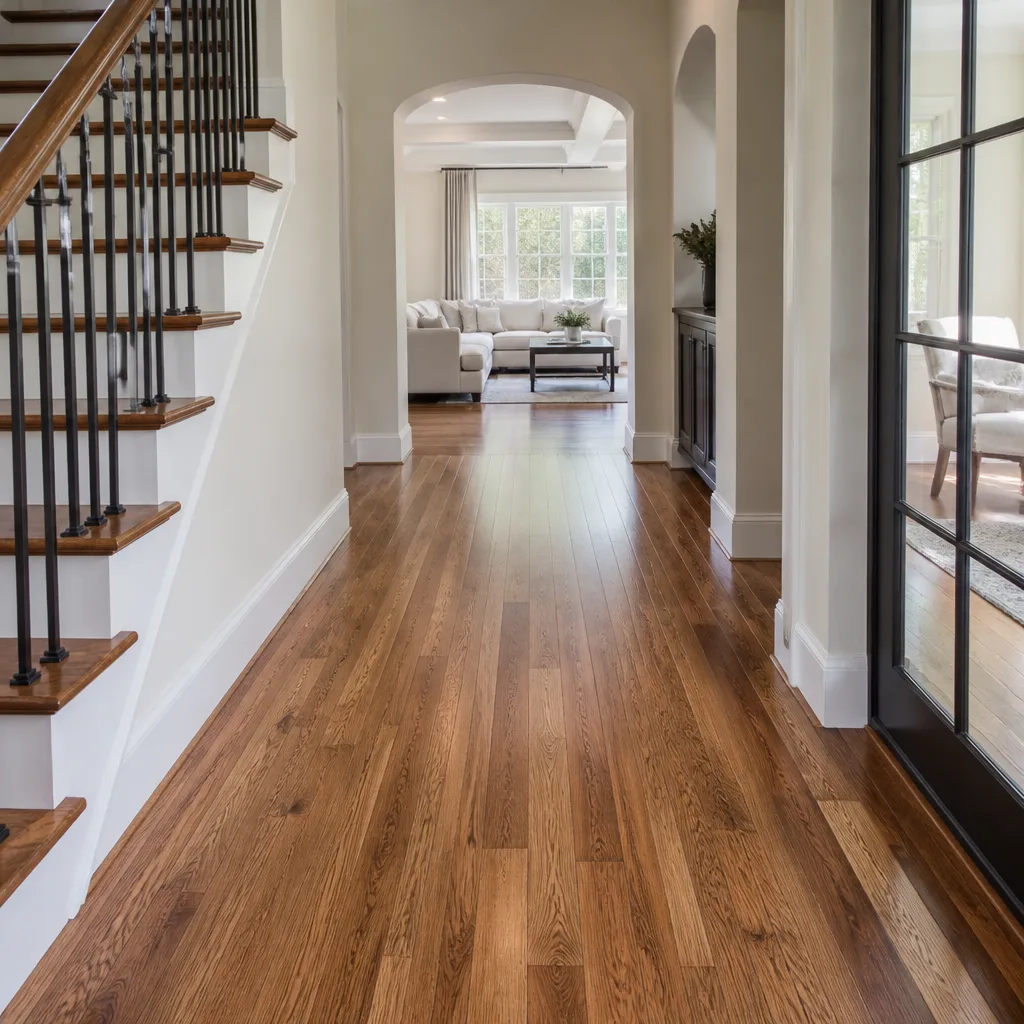 Hardwood
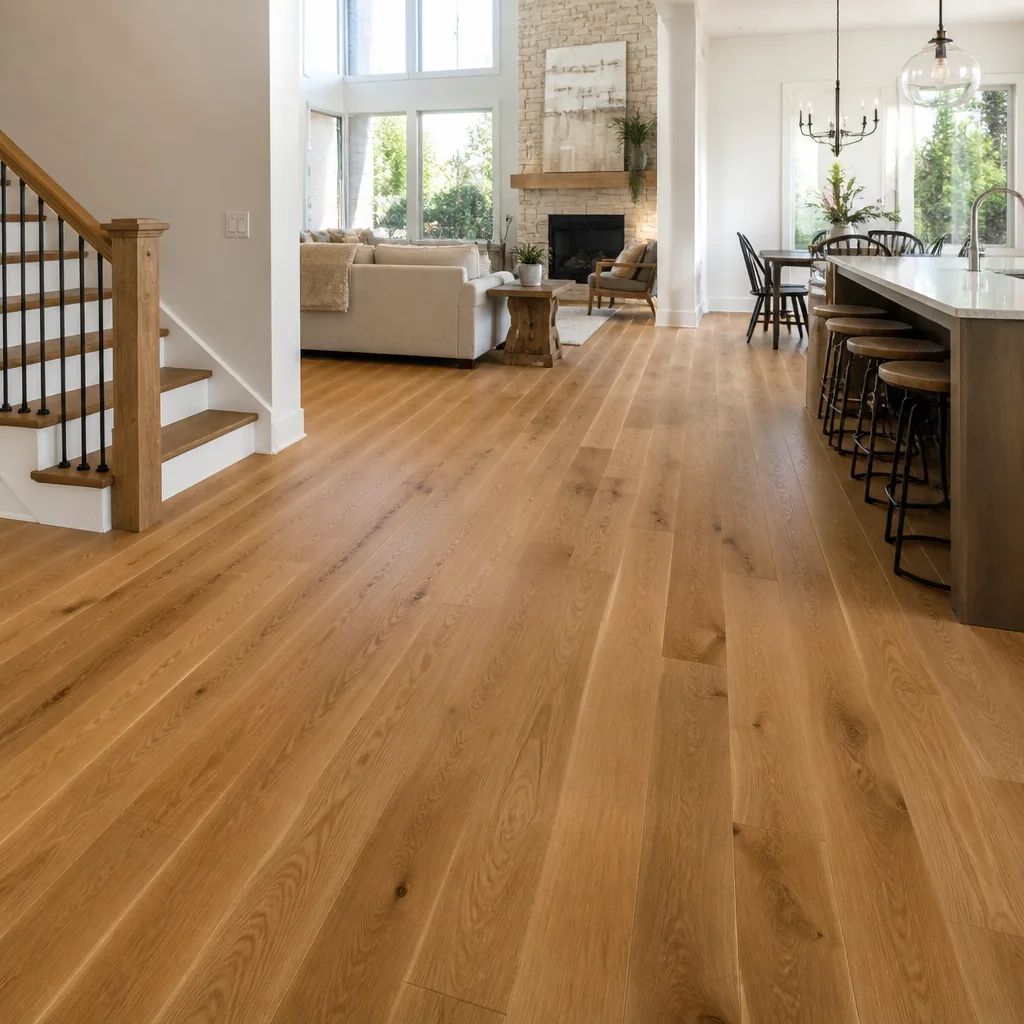 Engineered hardwood
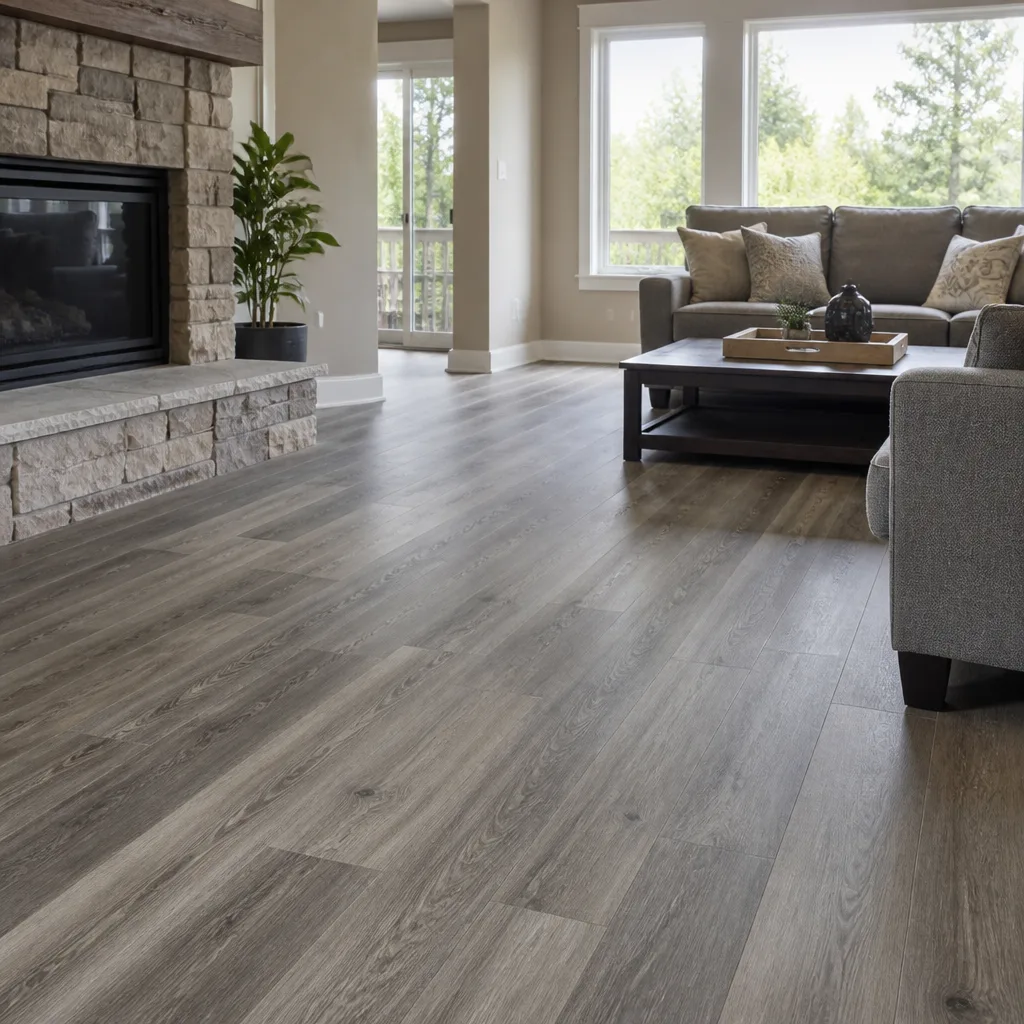 Luxury vinyl plank
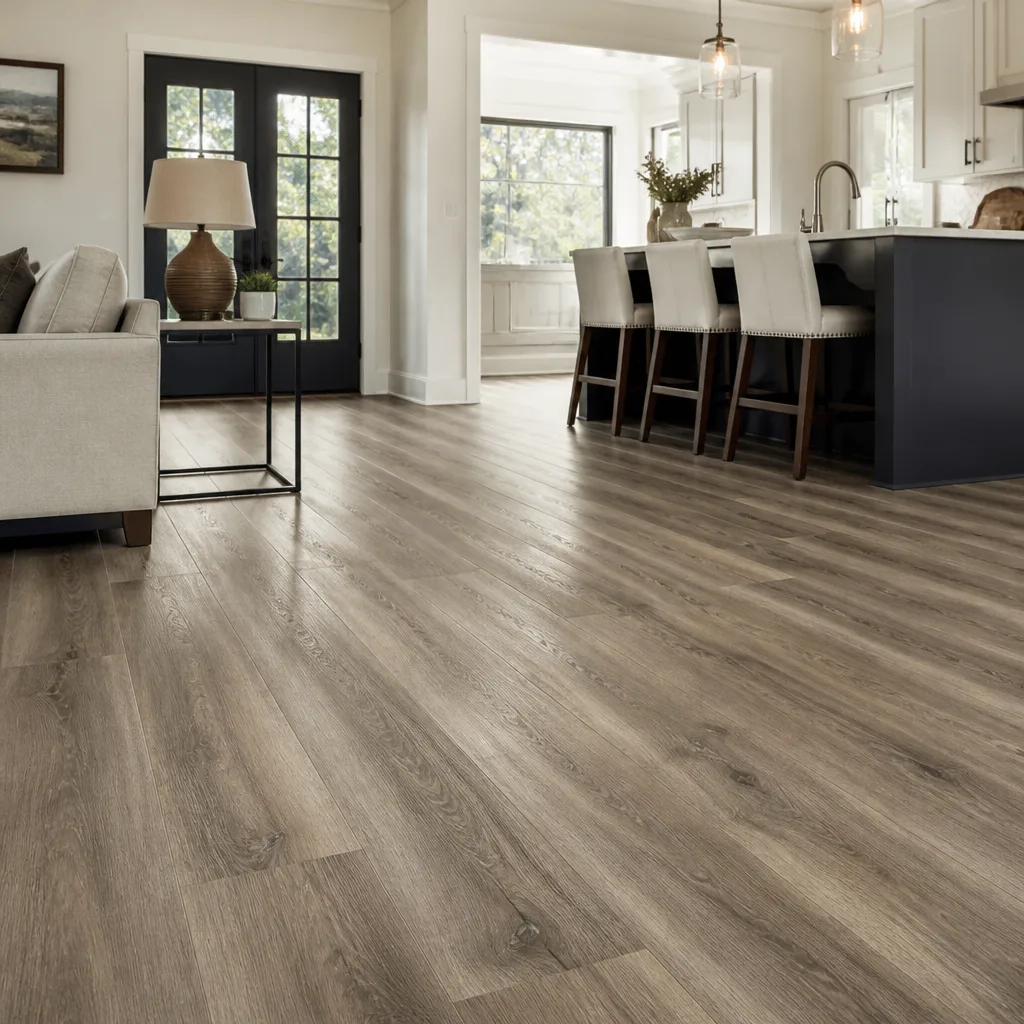 Laminate
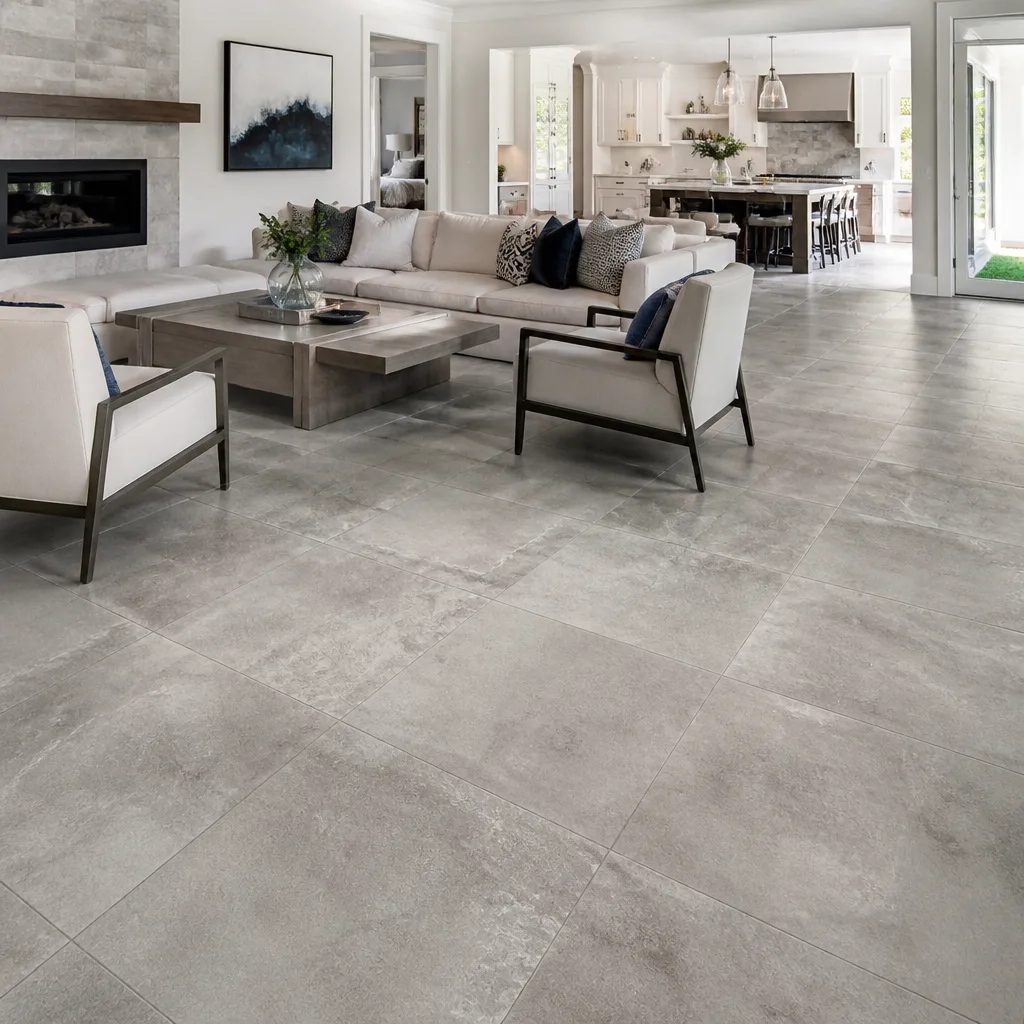 Porcelain tile
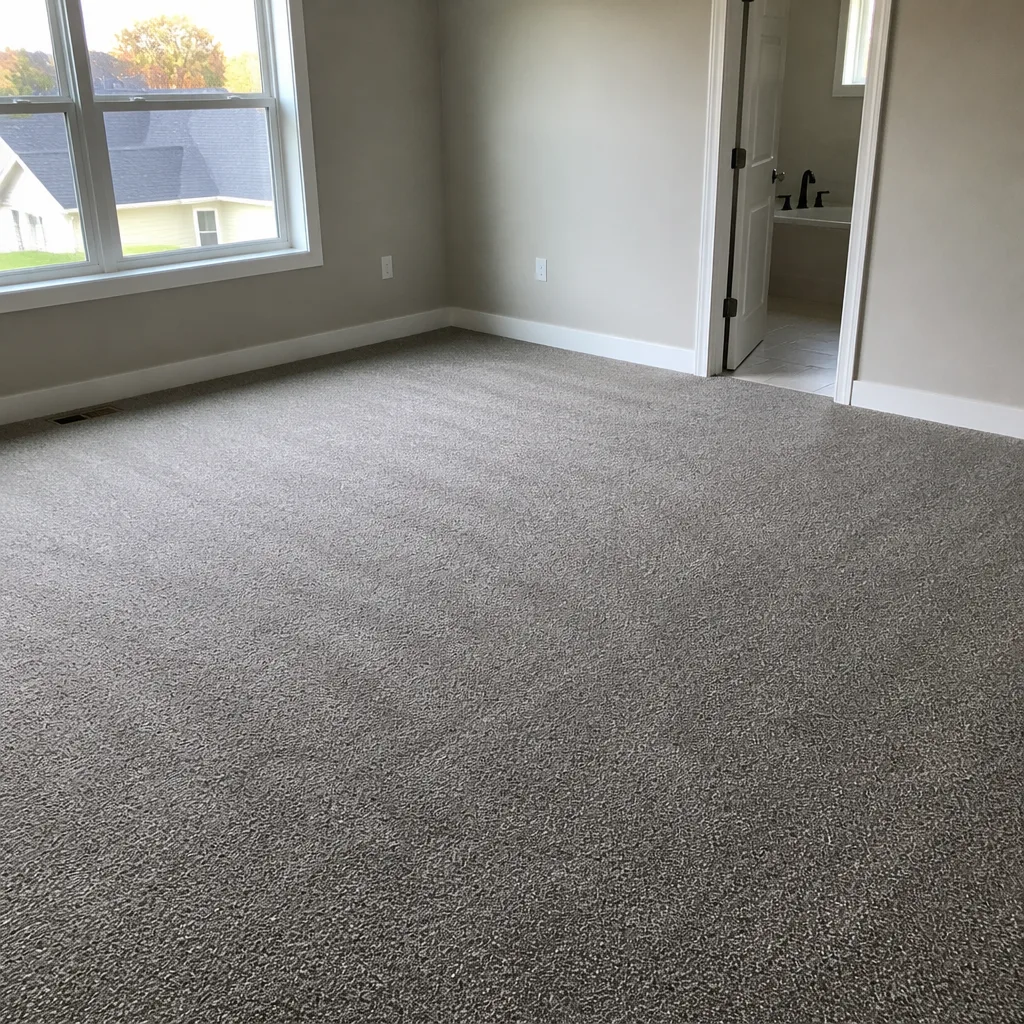 Carpet
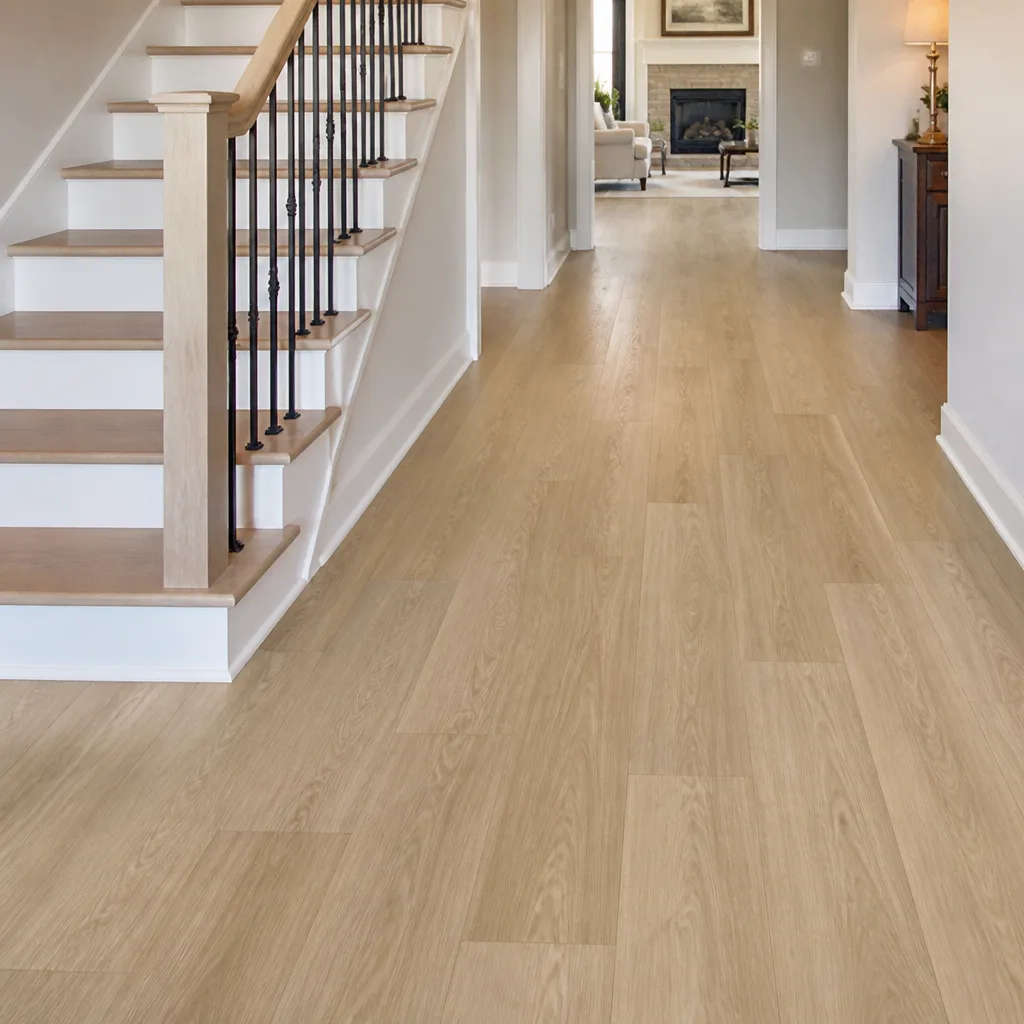 Shaw
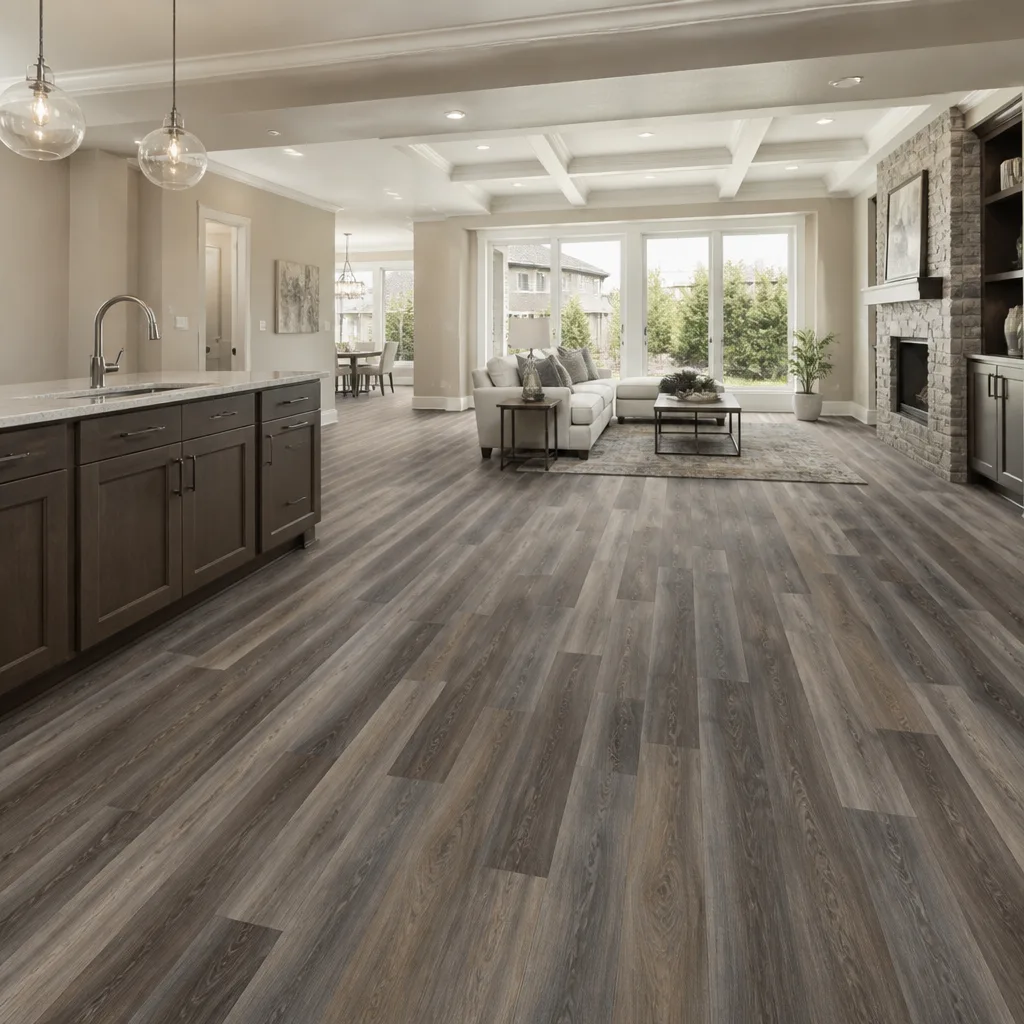 Mohawk
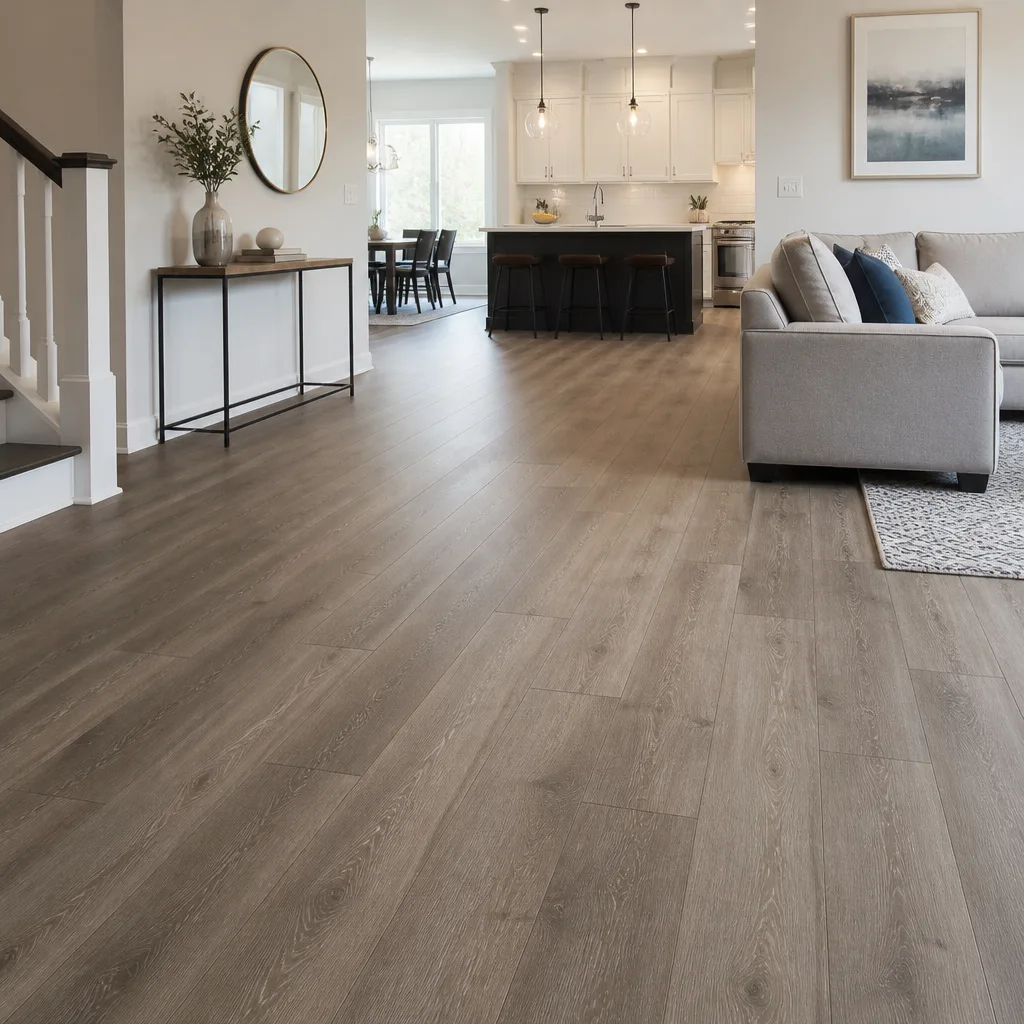 COREtec
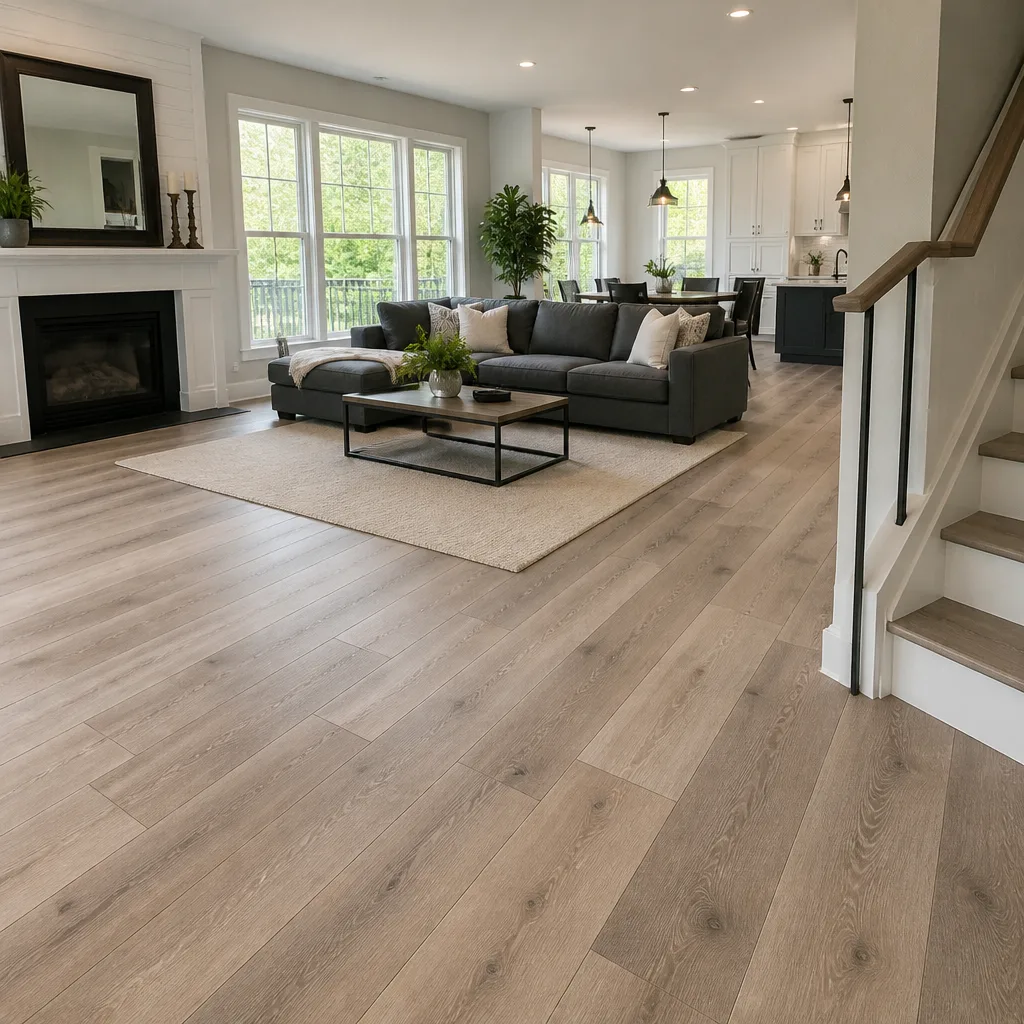 Pergo
Free in-home measure and written estimate: Shaw, Mohawk, COREtec and Pergo lines compared on your own rooms, with carpet, tile, vinyl plank, laminate and hardwood laid out side by side
Get your free estimateThe Complete Guide to Flooring in Paradise
Most flooring guides are written for the Pacific Northwest or the Midwest, climates where moisture is the enemy. In Paradise, the enemy is heat expansion, static dryness, and concrete subfloors that never let you forget you’re in the desert. That single difference rewrites half the advice you’ll read online. A shortlist built for a damp basement in Ohio can fall apart in a sun-baked entry here. This guide treats Paradise as its own flooring environment, not a generic suburb, and walks through how desert heat, dry air, and slab-on-grade construction change what you should buy, how it should be installed, and what to check before you sign anything.
Quick Answer
Flooring in Paradise, NV needs to handle extreme summer heat, very low indoor humidity, and a concrete slab foundation under most homes. The materials that hold up best here are glazed ceramic and porcelain tile, luxury vinyl plank built for wide temperature swings, and engineered wood over a properly prepared slab. Solid hardwood is a tougher sell because of how much it moves in dry air. The written estimate and the product’s own installation instructions always set the final call.
Styles & brands we work with
- Hardwood
- Engineered hardwood
- Luxury vinyl plank
- Laminate
- Porcelain tile
- Carpet
- Shaw
- Mohawk
- COREtec
- Pergo
Table of Contents
- Why Paradise Is a Pressure Test for Flooring
- Slab-On-Grade: What It Changes Before You Shop
- How to Read Temperature and Humidity Tolerance Ranges
- Tile, Carpet, and Hardwood in a Desert Home
- A Room-by-Room Breakdown for Paradise Homes
- Model Home vs. Lived-In House After Five Summers
- What a Professional Installation Actually Involves
- Common Mistakes to Avoid
- When to Call a Professional
Why Paradise Is a Pressure Test for Flooring
Paradise sits in the Las Vegas Valley, and the valley does something to flooring that most national buying guides never account for. Summer temperatures climb hard, the air stays dry, and homes run air conditioning for months. That combination pushes materials through a daily expansion and contraction cycle that a floor in a mild climate simply doesn’t see. Wood swells and shrinks. Adhesive bonds get tested. Gaps open and close at joints.
None of that is a reason to panic. It’s a reason to choose with your eyes open and to install with room to move. In our experience, the failures we see in Paradise homes rarely come from a bad product. They come from a product installed to a spec written for a different climate.
Three forces define flooring here:
- Heat expansion: Exterior doors, sun-facing rooms, and any floor near a west window get hot enough that the material has to be able to grow and shrink without buckling.
- Dry air: Indoor humidity in a conditioned Paradise home can run very low, which pulls moisture out of wood and tightens joints.
- Concrete slabs: The dominant foundation type here is slab-on-grade, so most floors sit directly on concrete that interacts with temperature and moisture in ways a wood subfloor doesn’t.
That last point deserves its own section, because it narrows the material shortlist before you ever look at a sample. When you’re ready to talk specifics, our Flooring Installation Paradise team can walk your home’s actual conditions rather than a generic spec sheet.
Slab-On-Grade: What It Changes Before You Shop
Most Paradise homes are built on a concrete slab poured at ground level, known as slab-on-grade. That single construction detail changes the shopping list. A slab is not a wood subfloor, and a floor that installs beautifully over plywood may need a different approach over concrete.
Here’s what a slab means for your project:
- Moisture coming up from below. Concrete can pass moisture vapor from the ground into the floor above it. Some products tolerate that better than others, and some need a vapor barrier or a moisture-aware installation method. The product instructions and the estimate visit set the answer.
- Flatness, not just level. A slab can be level and still not flat. Many flooring products need the surface prepared before anything goes down, and that prep is often the quiet hero of a job that lasts.
- Temperature transfer. A slab holds heat and cold differently than a wood deck. Floors that sit directly on it feel that difference, and so does any adhesive holding them down.
- Fewer surprises with tile and vinyl. Ceramic, porcelain, and luxury vinyl plank are typically friendlier to slab conditions than solid wood, which is one reason they dominate Paradise homes.
This is why we ask about your foundation before we talk brands. A shortlist that ignores the slab is a guessing game. If you’re weighing options in a nearby neighborhood, our Paradise page covers how we approach local homes.
How to Read Temperature and Humidity Tolerance Ranges
Every flooring product ships with an installation and maintenance spec that lists the temperature and humidity range it’s designed to live in. Most homeowners never read it. In Paradise, that range matters more than in almost any other market, because our homes often sit at the outer edge of it.
Here’s how to read those specs without a translator:
- Find the service range, not the storage range. Specs often list a range for storing the material and a separate range for the finished floor in a lived-in home. You care about the second one.
- Compare it to your actual home, not the weather report. A Paradise house runs air conditioning for long stretches, so indoor humidity can read lower than the outdoor figure. What matters is the range inside, where the floor lives.
- Look for the word “acclimation.” Many products want time to adjust to your home’s conditions before installation. How long depends on the product and the house. The product instructions set it, not a rule of thumb from the internet.
- Check expansion requirements. Specs list how much room a floor needs at walls and transitions. In a climate that swings this hard, those gaps are not optional details.
- Ask what happens at the edge. A product rated for a range that Paradise regularly pushes against is a product to discuss carefully at the estimate, not to install on hope.
When a floor’s tolerance range and your home’s conditions sit close together, that’s a conversation worth having with a professional. It’s also exactly the kind of thing the estimate visit exists to catch.
Tile, Carpet, and Hardwood in a Desert Home
Paradise homes lean on three flooring categories for good reason. Each behaves differently in desert conditions, and each has a place in a well-planned home.
Tile: The Desert Workhorse
Ceramic and porcelain tile handle heat and dry air with ease. Tile doesn’t swell, shrink, or care much about humidity, which is why it shows up in kitchens, bathrooms, entries, and great rooms throughout Paradise. It also stands up to sun exposure and heavy foot traffic. The catch is thermal: tile on a slab can feel cool in winter and hold heat in summer, so a mat or area rug in the right spot helps comfort without changing the install. We install and set tile flooring installation in homes across the valley, from large-format porcelain to classic ceramic, and brands like Daltile give you a wide range within one engagement.
Carpet: Soft Surface That Has to Breathe
Carpet still earns its keep in bedrooms and living areas where comfort matters more than cool-to-the-touch. In a dry Paradise home, the main thing to watch is static and how the carpet is stretched and anchored, not moisture. A proper stretch and a quality pad make the difference between carpet that lies flat for years and carpet that ripples after a couple of summers. Our carpet installation work leans on brands like Shaw and Mohawk, and we match the carpet and pad to the room rather than the other way around.
Wood: Beautiful, but It Moves
Solid hardwood fights the desert. Dry air pulls moisture out of it, joints tighten, and it can cup or gap if the indoor environment swings far from what it wants. Engineered wood handles the climate better because its layered construction resists movement, and it works over a prepared slab in many cases. The best move for existing wood floors in Paradise is often restoration rather than replacement. Refinishing a solid floor is possible only when the wood is thick enough and in the right condition, which the estimate visit confirms. We approach wood as restore-before-replace first.
A Room-by-Room Breakdown for Paradise Homes
The right floor changes from room to room, and in Paradise the lifestyle factors are specific. Here’s how to think room by room.
- Kitchens and great rooms: These are the entertaining spaces, and they take traffic and heat. Tile is a natural fit, with luxury vinyl plank like LifeProof as a warmer alternative that still handles spills and pets. Both are the kinds of floors a Paradise home actually lives on.
- Entries and sun-exposed hallways: A door that opens to a west-facing afternoon sun bakes the floor just inside it. Tile holds up without complaint. Vinyl can work if it’s rated for the temperature swing, and the expansion gaps need to be right.
- Bathrooms: Tile is the safe, proven choice. Water-resistant vinyl is an option when installed to spec, but standing water and moisture from the slab still have to be dealt with no matter the material.
- Bedrooms: Carpet gives comfort and quiet. If you prefer hard surface, an engineered wood or a quality vinyl plank with a soft underfoot works well.
- Rental units: Landlords in Paradise tend to favor durable vinyl plank and tile for turnover and pet tolerance. LifeProof and COREtec-style water-resistant systems are built for exactly this use, though no floor is truly indestructible.
Two Paradise-specific constraints sit on top of all of this. The first is HOA rules. Some Paradise communities have restrictions on flooring changes visible from outside, sound transmission in attached homes, or materials allowed in certain rooms. Check your HOA documents before you order. The second is sun exposure. A west-facing room with big windows sees real heat gain on the floor, and that should shape what goes there.
If you’re pricing out carpet alongside hard surface, the smart move is to plan the whole floor at once rather than one room at a time. One crew, one schedule, one written estimate. If your project spans rooms in a nearby neighborhood, our Paradise page covers how we scope whole-home jobs.
Model Home vs. Lived-In House After Five Summers
A model home looks flawless. It’s climate-controlled, sparsely furnished, and nobody drags a chair across the floor or leaves a dog’s water bowl to slosh. That’s not the floor you’ll live on. The question that matters is what a material does in a real Paradise house after five summers of desert heat, dry air, and slab movement.
Here’s how a few materials tend to hold up over that stretch when installed correctly:
- Tile: Holds its finish and its setting well. Grout lines pick up wear and need cleaning. Cracks are rare when the slab prep was right and almost always trace back to prep that was skipped.
- Luxury vinyl plank: Handles heat and dry air well when the expansion gaps were done right. Gapping or lifting at the seams usually traces to a tight install or a slab that wasn’t prepped, not the product itself.
- Engineered wood: Ages honestly. Some seasonal movement is normal, and a floor that shows a little movement after several years is often behaving exactly as designed.
- Carpet: Wears at traffic lanes and needs periodic cleaning. Carpet that starts rippling early usually wasn’t stretched properly.
This is why we treat a Paradise installation as a climate job, not a product swap. The materials that survive here are the ones installed with desert conditions in mind. Brands like Armstrong and Mannington live in the same conversation because they give homeowners real choices within that narrow band.
What a Professional Installation Actually Involves
Here’s the honest picture of a professional flooring job in Paradise, from the first call to the finished floor.
- Free in-home measure and estimate: We come out, measure the space, look at your slab, check humidity conditions, inspect the existing floor, and talk through what will work in your home. This is where the shortlist gets real.
- Written estimate: You get a written price, not a verbal number. The written estimate sets the final price, and it’s where the material, the prep, and the schedule get locked down.
- Material ordering and acclimation: Once you’ve chosen, the material is ordered, and per the product’s own instructions, it may need time to adjust to your home before it’s installed.
- Prep and slab work: The slab gets cleaned and prepared. Any needed moisture handling or flatness corrections happen here. This step is quiet but it’s the one that determines how the floor performs.
- Installation day: The crew installs to the product’s spec, including the expansion gaps and transitions the climate demands. The install day is booked at the estimate, not assumed.
- Walkthrough and final check: We walk the finished floor, check the transitions, and confirm everything matches the written estimate.
The version of this that gets skipped is almost always step four. Prep is where desert installations fail, and it’s the step that separates an install built for Paradise from one built for somewhere else.
Common Mistakes to Avoid
- Choosing a material from a national guide written for a wet climate. A shortlist built for a damp basement will steer you toward products that don’t fit Paradise. Start from desert conditions, then filter brands.
- Ignoring the slab. Most Paradise floors rest on concrete, and skipping slab moisture and flatness checks is the most common way a good product underperforms. Prep is not optional here.
- Skipping expansion gaps because someone measured once. In a climate that swings this hard, a tight install that looks perfect in week one can buckle or gap by year three. The spec exists for a reason.
- Installing without checking the product’s tolerance range. If a floor’s rated range and your home’s conditions are barely compatible, that’s a decision to make at the estimate, not after the install.
- Assuming a model home shows how the floor will live. Staged and climate-controlled is not the same as lived-in. Pick for real life, pets, kids, and five summers in Paradise.
- Replacing wood that could be refinished. Solid wood floors that are thick enough and in decent shape can often be restored rather than torn out. Confirm at the estimate before you budget for replacement.
- Overlooking HOA rules and sun exposure. A Paradise community may restrict certain materials or sound transmission in attached homes, and a west-facing room bakes whatever goes under it. Check both before you order.
When to Call a Professional
Some flooring jobs are reasonable to consider doing yourself. In Paradise, the ones that go wrong usually involve slab conditions, a wide temperature range, or a floor that needs to move safely. Call a professional when your floor sits on a concrete slab with any question about moisture, when the product’s tolerance range and your home’s conditions are close together, when you’re installing over an existing floor you’re unsure about, when the room sees hard afternoon sun, or when refinishing a wood floor is on the table and you don’t yet know if the wood is thick enough. Those are the jobs where experience pays for itself. Flooring Installation Paradise offers free estimates in Paradise, and we can walk your actual conditions, your slab, and your shortlist together. Call (888) 343-1639 to schedule yours. We answer 24/7. Fast dispatch from 7am to 7pm, Sunday through Friday, closed Saturday.
See the difference
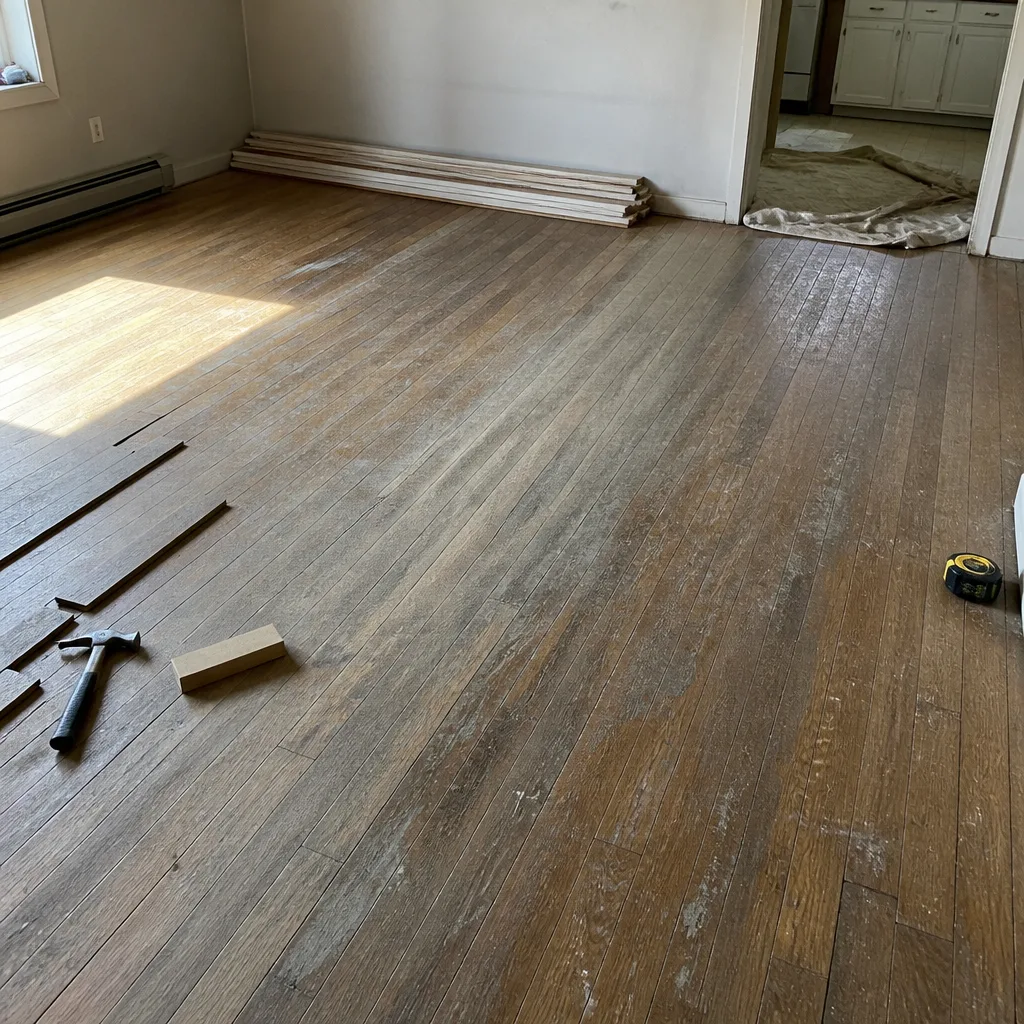 Before
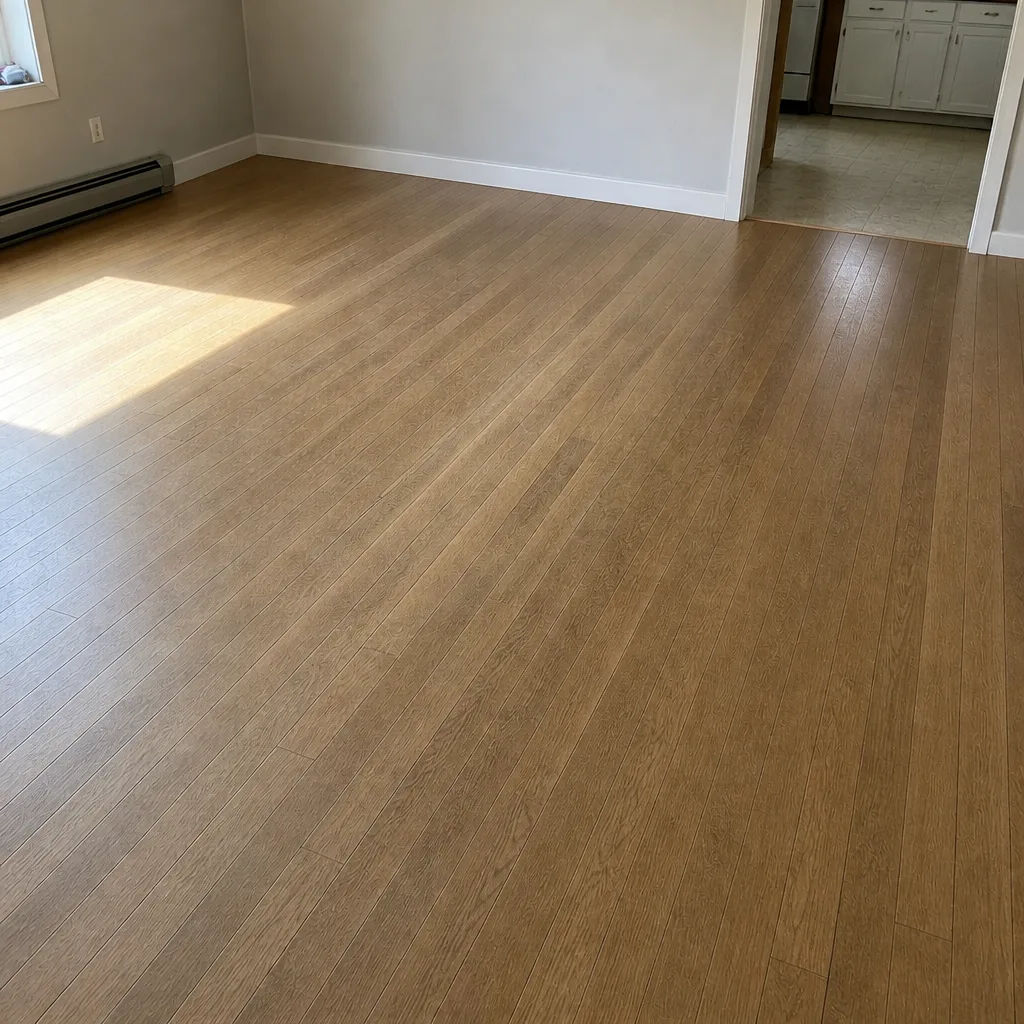 After
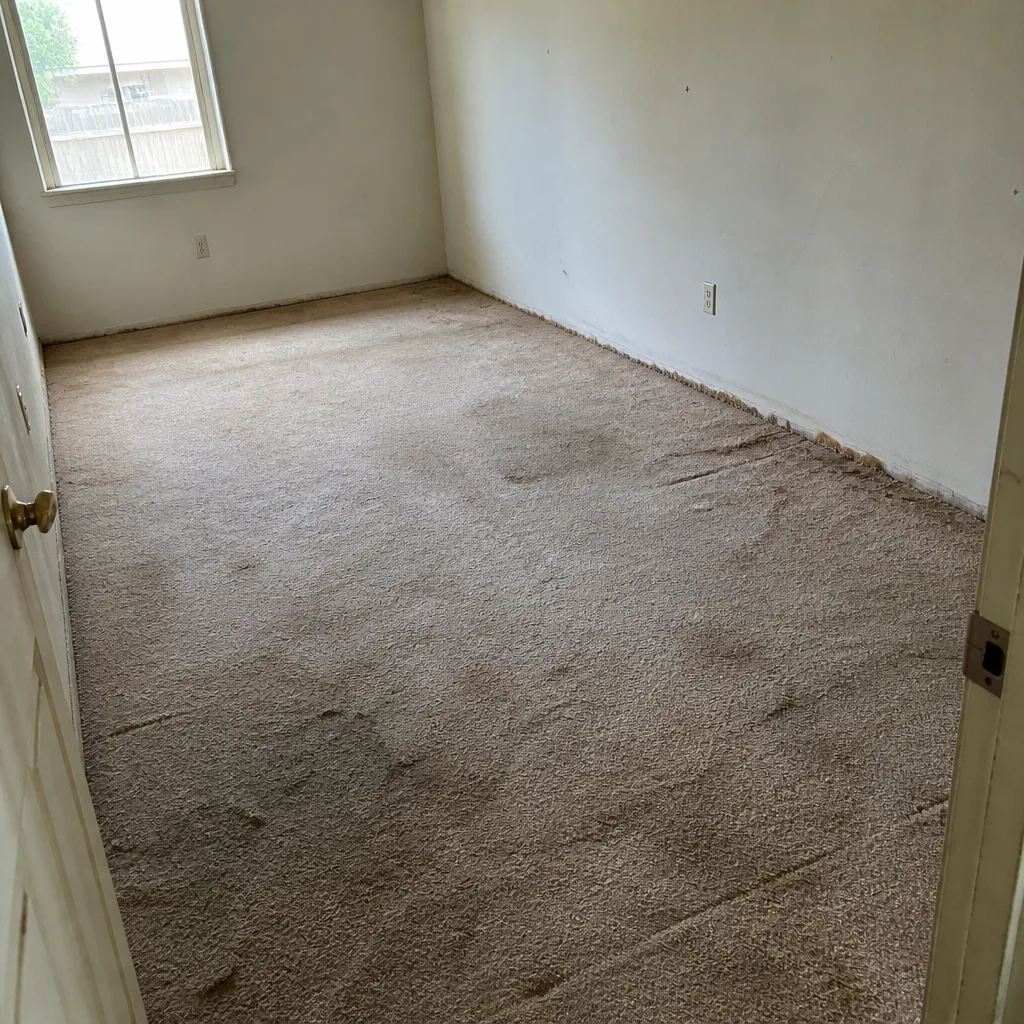 Before
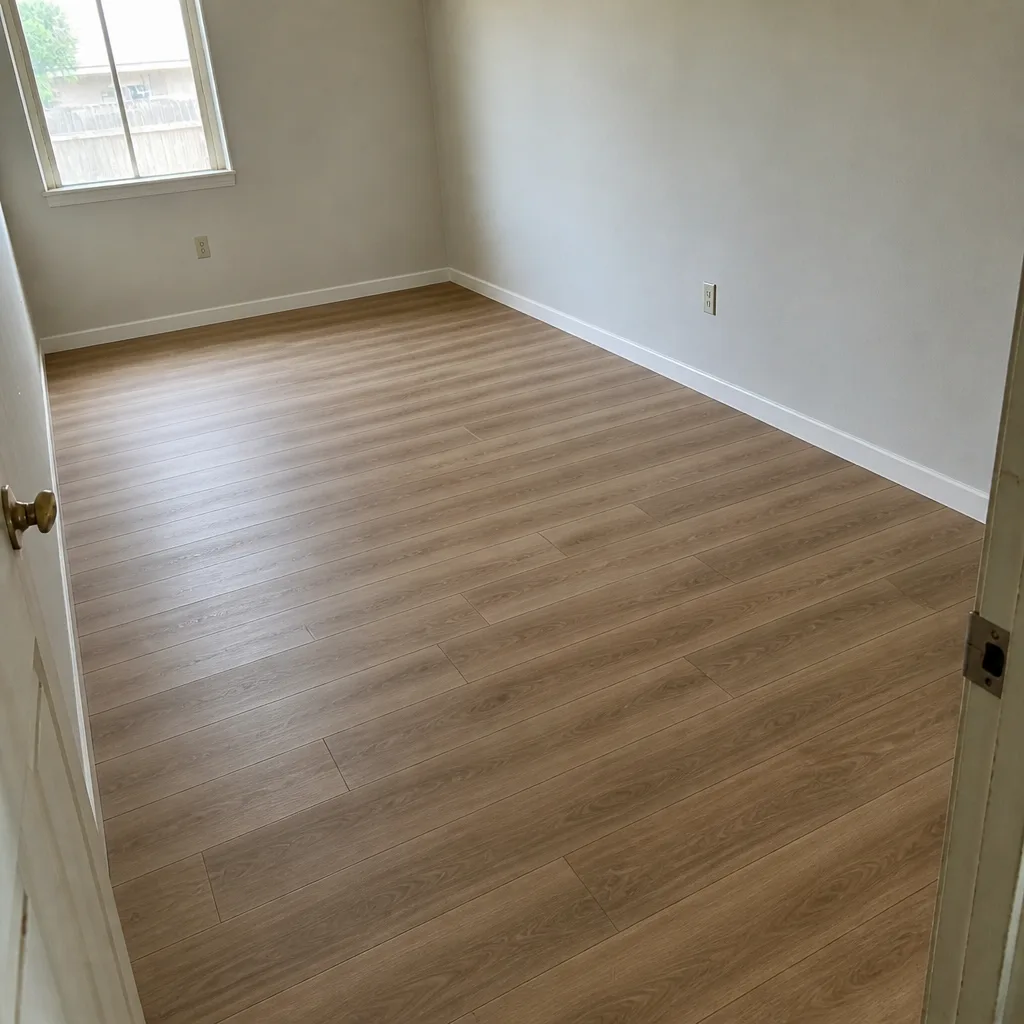 After
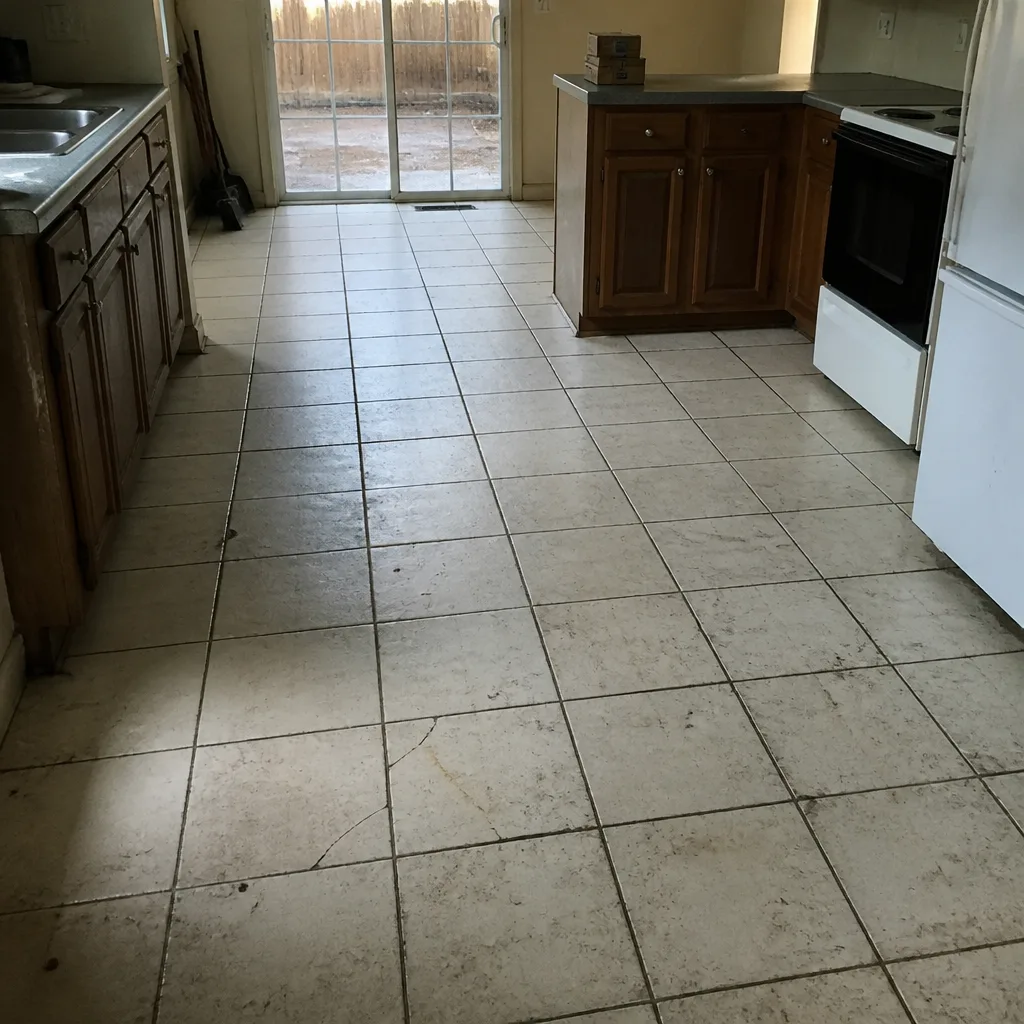 Before
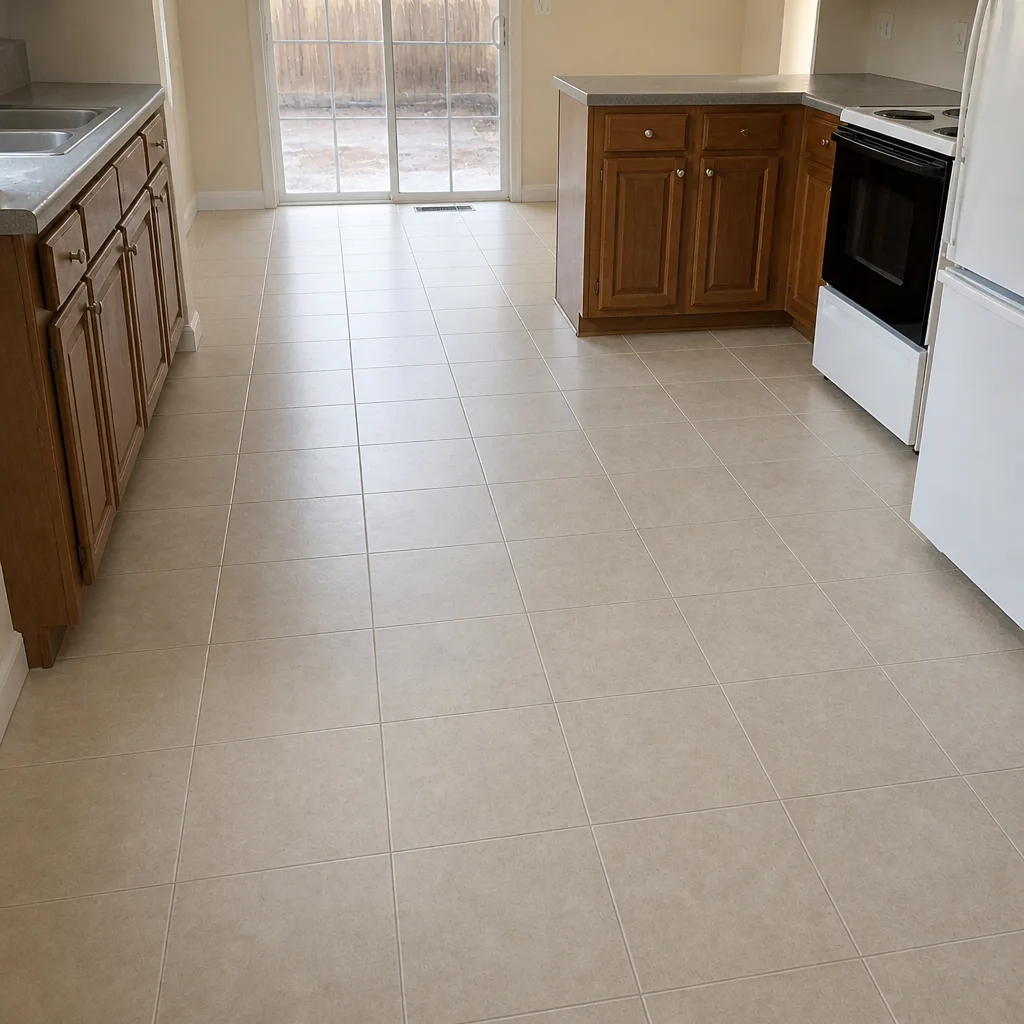 After
Frequently Asked Questions
Tile and luxury vinyl plank are the most reliable performers in Paradise, with engineered wood and carpet filling in the right rooms. The desert heat, dry indoor air, and slab-on-grade construction all favor materials that can move and handle temperature swings. Glazed porcelain tile handles heat with no fuss, and a quality vinyl plank like LifeProof handles pets and spills well. Call (888) 343-1639 for an exact quote on your home, and estimates are free.
Yes. Dry air pulls moisture out of wood, which is why solid hardwood often gaps and cups in Paradise homes, and why the indoor environment is a real factor in material choice here. It also means carpets can build up static, and it means acclimation before install matters more than in a mild climate. The product instructions and estimate set the specifics.
Slab-on-grade means the house is built on a concrete slab poured at ground level, which is the dominant foundation type in Paradise. It matters because a slab can pass moisture vapor up into the floor and can be out of flatness even when it looks level, both of which affect what flooring and which prep method will work. The estimate visit checks the slab before the material is chosen. Call (888) 343-1639 for a free estimate.
Often yes, but only when the wood is thick enough and in the right condition, which the estimate visit confirms. Refinishing a solid floor you already have is usually the smart move before you budget for replacement, and it extends the life of a floor that has already proven itself in this climate. Call (888) 343-1639 to schedule a free look at your wood floors.
The installation length depends on the product, the room count, the prep the slab needs, and the acclimation the product requires, and it’s set at the estimate along with the install day. There’s no honest one-size answer. What we can tell you is that the free in-home measure and estimate come first, then the written price, then a booked install day. Call (888) 343-1639 for yours.
Yes. The in-home measure and estimate is free, and the written estimate sets the final price. You’ll know the material costs, the prep costs, and the schedule before you commit to anything. Call (888) 343-1639 to schedule a free estimate in Paradise.
The Bottom Line
Flooring in Paradise is a desert problem, not a generic one. Heat expansion, dry air, and slab-on-grade construction narrow the shortlist before you ever pick a color. Tile and water-resistant luxury vinyl plank are the most reliable base for most Paradise rooms, engineered wood and carpet fill in the right spaces, and wood that’s already installed is often worth restoring before replacing. The material choices matter less than the prep and the install, which is where desert jobs succeed or fail. Whether you’re refreshing one room or redoing a whole home, a free written estimate tells you what you’re actually getting. Call (888) 343-1639. We answer 24/7. Fast dispatch from 7am to 7pm, Sunday through Friday, closed Saturday.
Written by the team at Flooring Installation Paradise.