
Last updated November 18, 2026
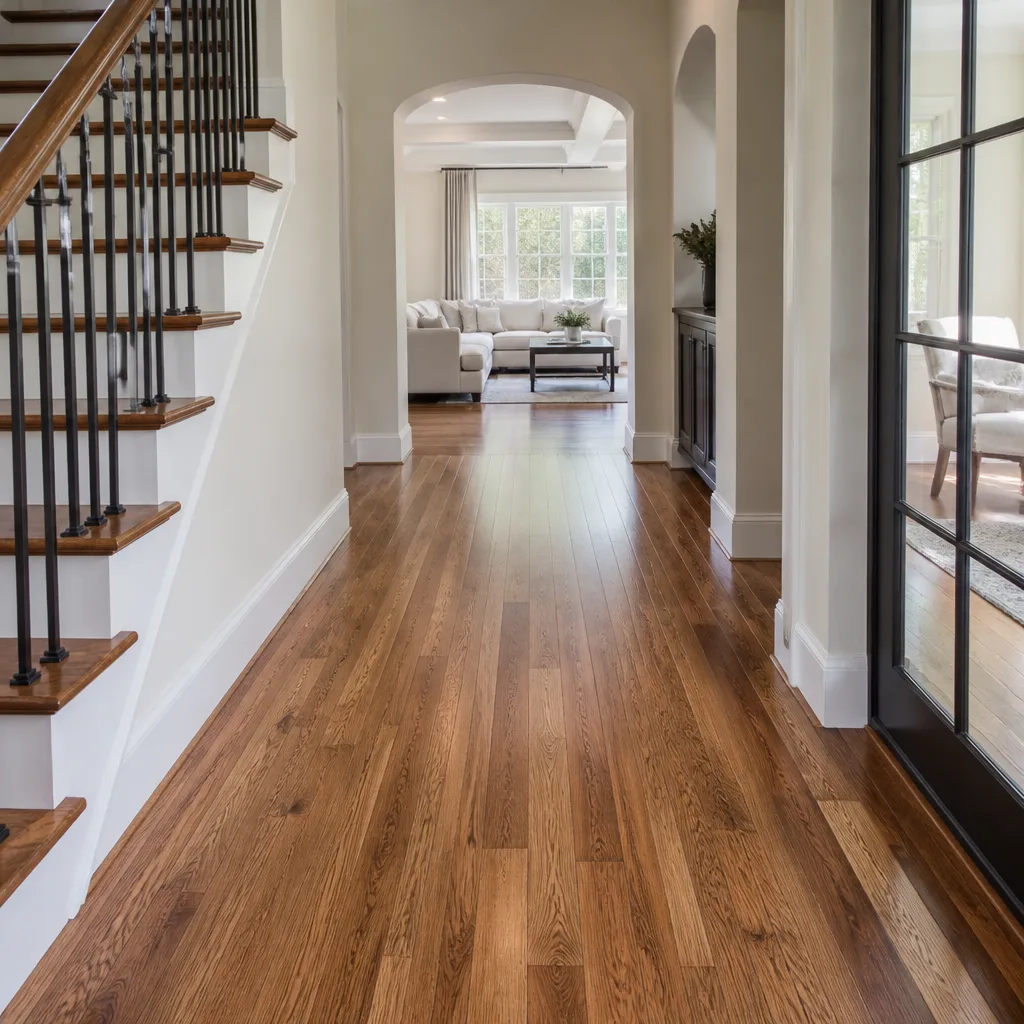 Hardwood
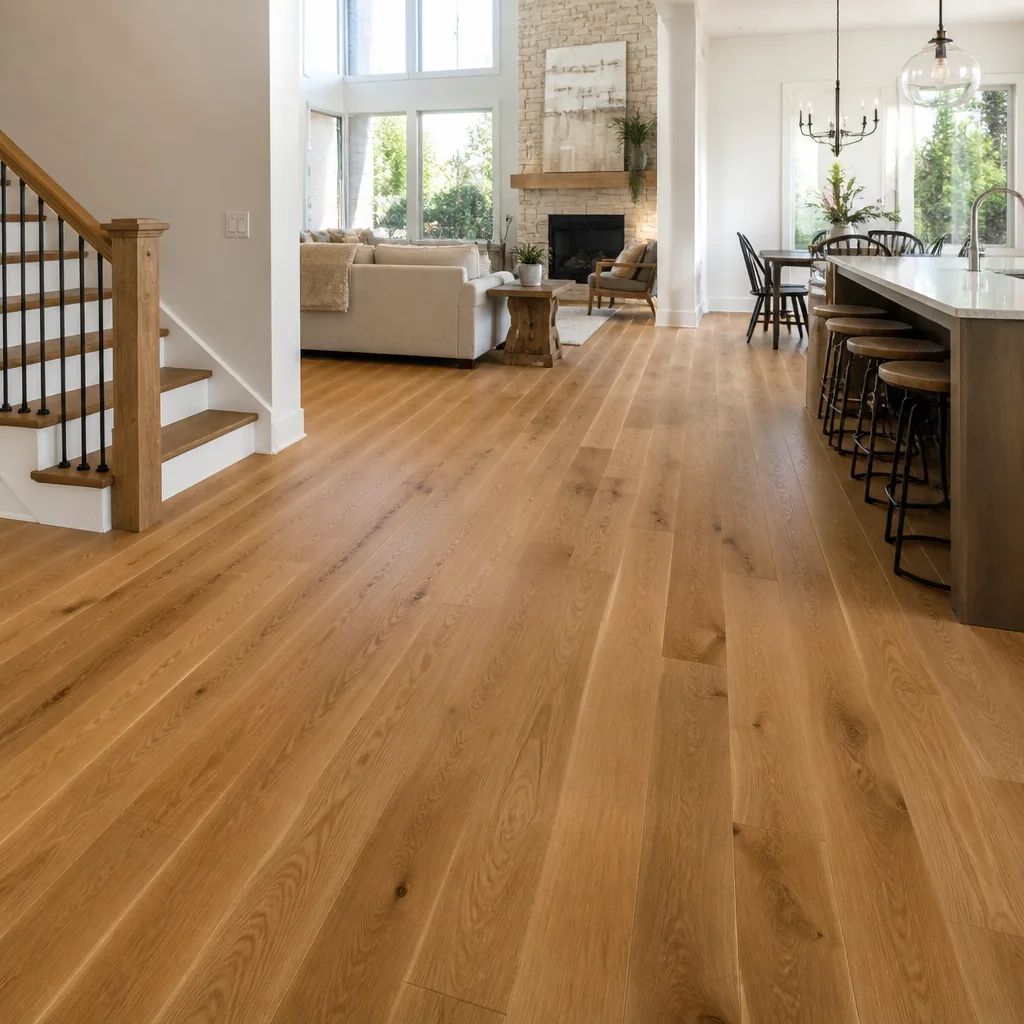 Engineered hardwood
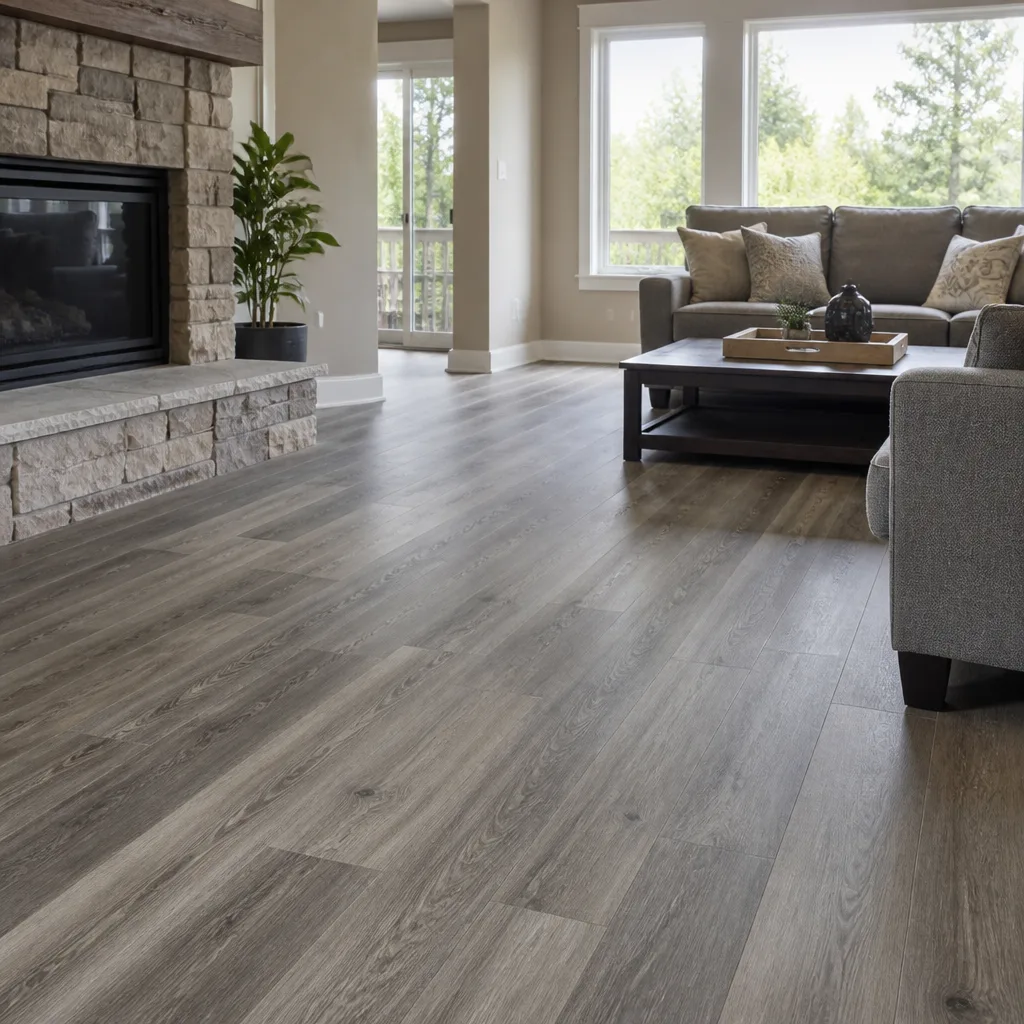 Luxury vinyl plank
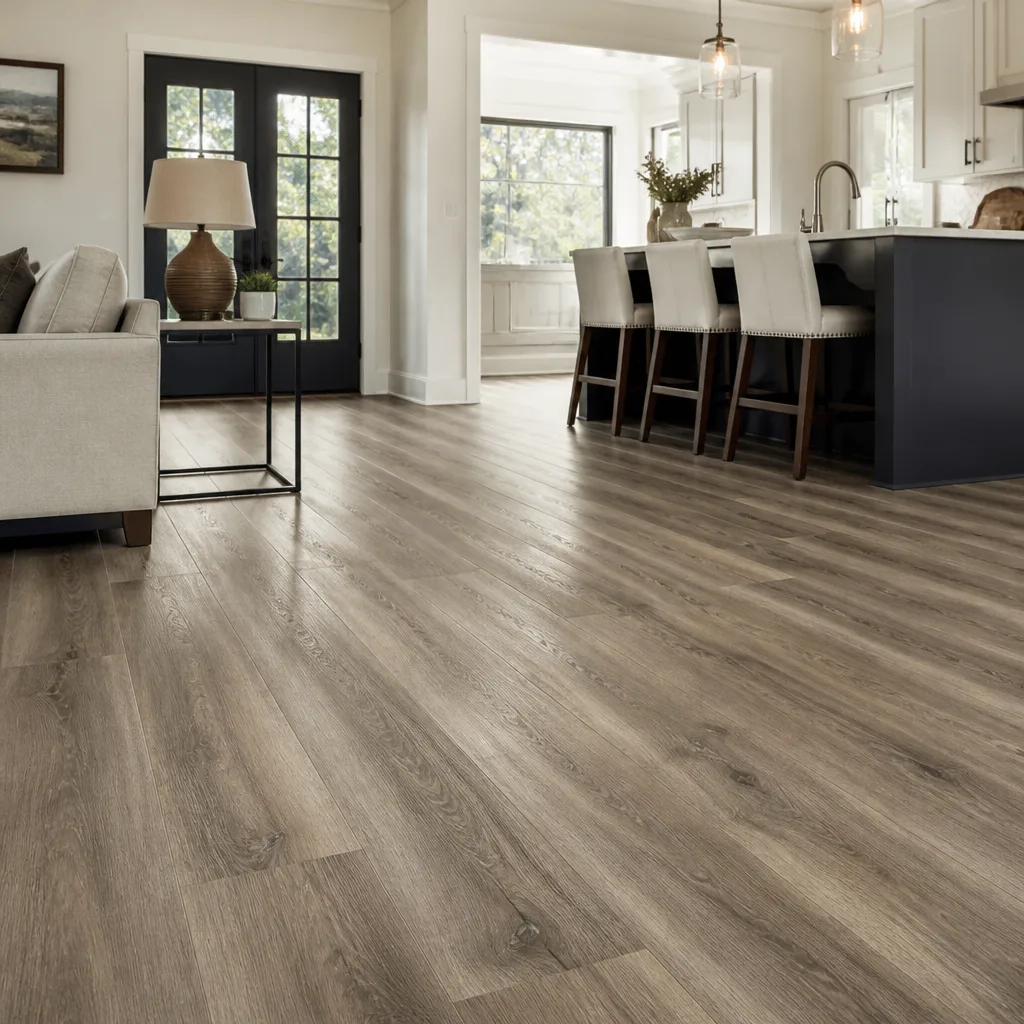 Laminate
 Porcelain tile
 Carpet
 Shaw
 Mohawk
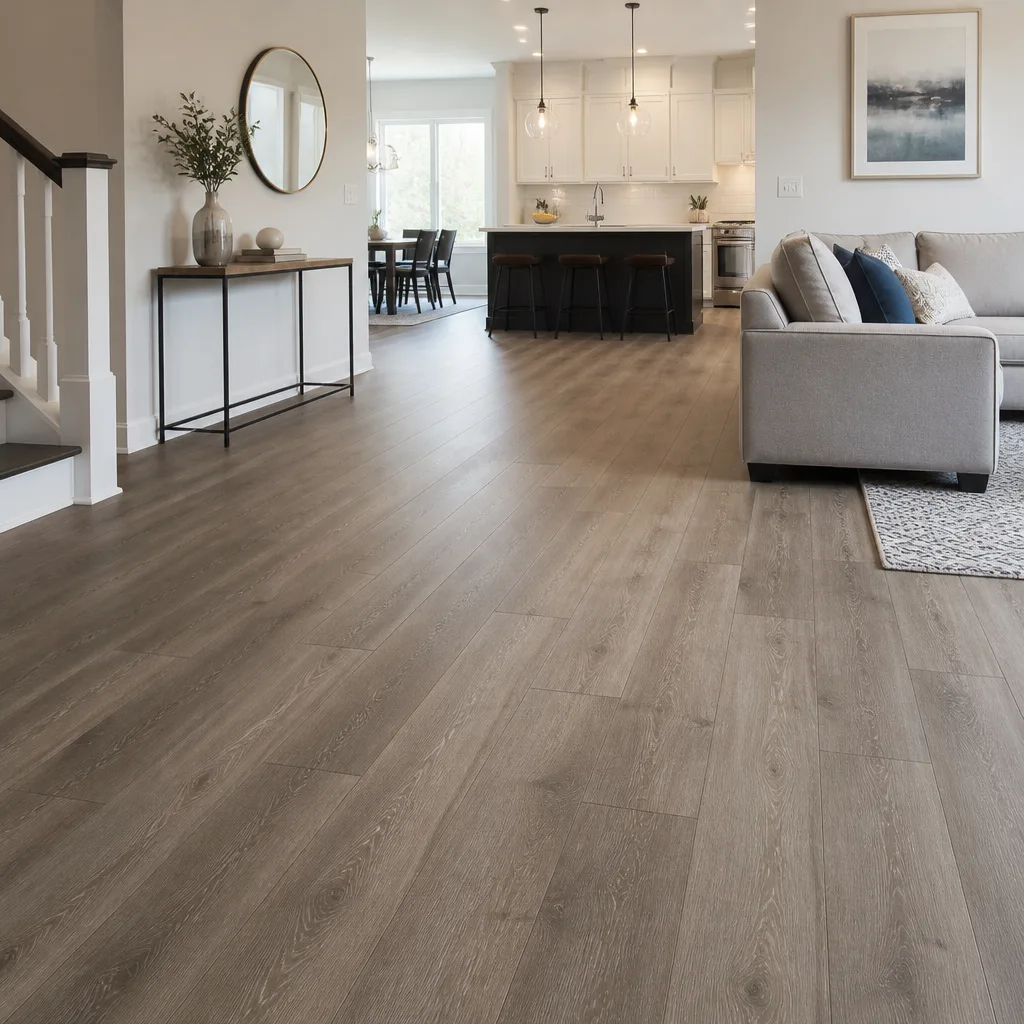 COREtec
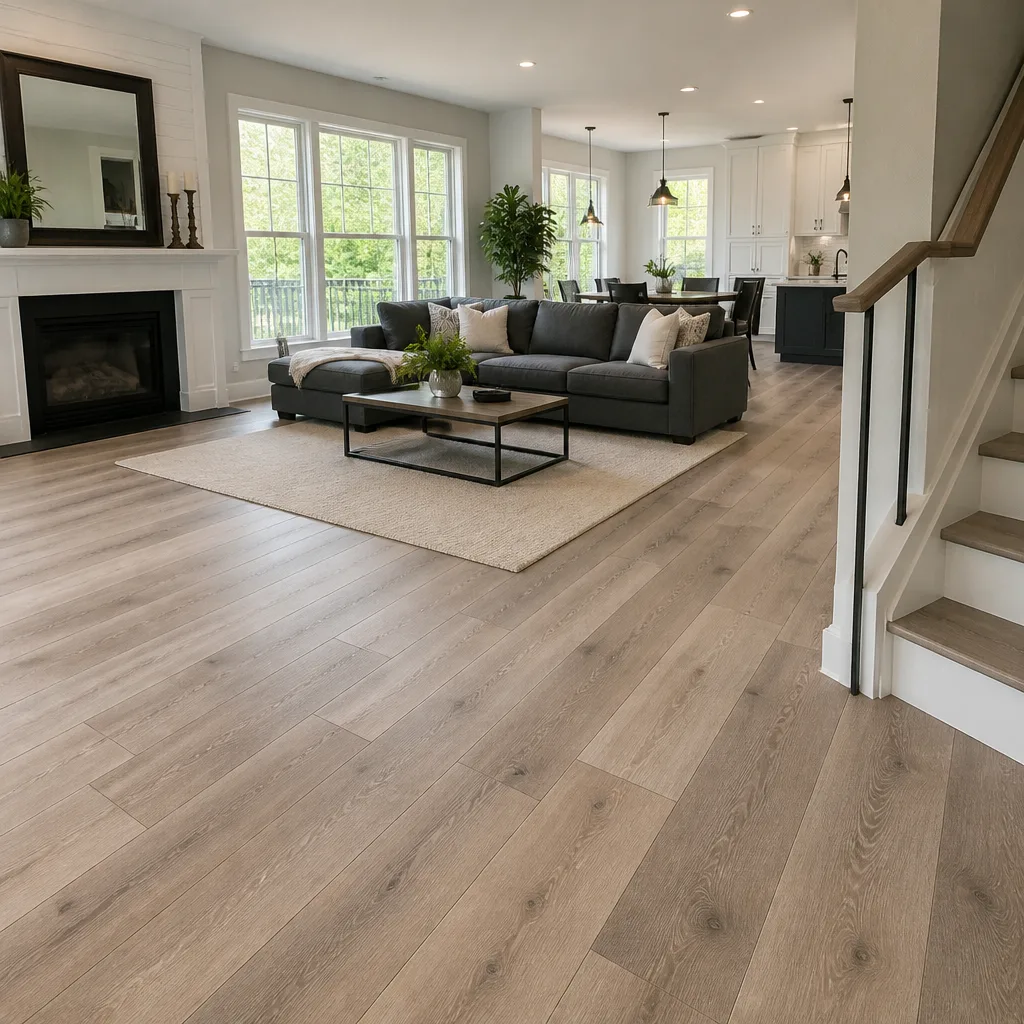 Pergo
Free in-home measure and written estimate: Shaw, Mohawk, COREtec and Pergo lines compared on your own rooms, with carpet, tile, vinyl plank, laminate and hardwood laid out side by side
Get your free estimateHow Paradise’s Climate Can Affect Your Flooring Choice
Most flooring advice for the Southwest starts and ends with one word: heat. That misses the harder problem. In Paradise, the air inside a home can fall below 10% relative humidity in winter while the heat runs, then climb past 50% during the July monsoon push. Wood, engineered cores and vinyl all respond to that swing differently, and which direction the material moves first decides whether your floor gaps, cups, buckles or just sits there quietly doing its job for years. This guide explains what that humidity range does to each flooring category, how slab-on-grade construction changes the math in Paradise, and which products handle the swing best.
Quick Answer
The best flooring for the Las Vegas Valley climate, including Paradise, is usually a rigid-core luxury vinyl plank such as COREtec or LifeProof, a quality ceramic or porcelain tile, or an engineered hardwood with a stable plywood core. Solid hardwood can work, but it moves the most across the valley’s wide humidity range and needs careful acclimation and wider expansion gaps. Slab moisture, UV exposure through west-facing windows, and seasonal humidity swings matter more here than raw heat alone.
Styles & brands we work with
- Hardwood
- Engineered hardwood
- Luxury vinyl plank
- Laminate
- Porcelain tile
- Carpet
- Shaw
- Mohawk
- COREtec
- Pergo
Table of Contents
- What does the humidity swing actually do to a floor?
- Which flooring categories handle the Paradise climate best and worst?
- Why does slab-on-grade construction matter in a desert?
- Why does acclimation take longer in Paradise than the box suggests?
- How does low-latitude sun through west-facing windows affect a floor?
- A practical guide to choosing a floor for your Paradise home
- Room-by-room recommendations for Paradise homes
- What maintenance keeps a floor stable through the seasons?
What does the humidity swing actually do to a floor?
Wood is hygroscopic, which means it takes on and gives off moisture from the air around it. When indoor relative humidity drops in winter, wood cells release water and the boards shrink slightly. When monsoon moisture arrives in late summer, those same cells draw moisture back in and the boards expand. Over a year in Paradise, the indoor range can run from under 10% to over 50%, and that spread is what drives most of the problems homeowners see.
Each material responds in a different way to that same swing:
- Solid hardwood moves the most because it’s one piece of wood through its full thickness. Shrinking opens gaps between boards. Expanding against a tight wall can cause buckling or cupping. Solid planks of a species that’s very sensitive to moisture are the hardest to keep stable here.
- Engineered hardwood is built from layers of wood in a cross-grain construction. The cross-ply core resists movement far better than a solid plank, so the surface looks like wood but behaves with more stability.
- Rigid-core luxury vinyl plank (the category COREtec and LifeProof fall into) is a mineral or polymer core that’s much less reactive to humidity than wood or older flexible vinyl. It still expands and contracts with temperature, but the swing is smaller and more predictable.
- Tile is dimensionally stable in humidity terms. Ceramic and porcelain don’t swell or shrink. The movement that matters with tile is at the substrate and the grout joints, not in the tile itself.
- Carpet reacts mainly through its backing and the subfloor beneath it. Humidity swings can cause ripples or looseness if the stretch wasn’t done properly.
The lesson for a Paradise homeowner is that “heat-tolerant” isn’t the right filter. The right filter is dimensional stability across a wide swing in a single year.
Which flooring categories handle the Paradise climate best and worst?
We rank categories below from most forgiving to most demanding in the Paradise climate. The ranking is based on how each material handles the seasonal humidity range, slab conditions and everyday life in a home.
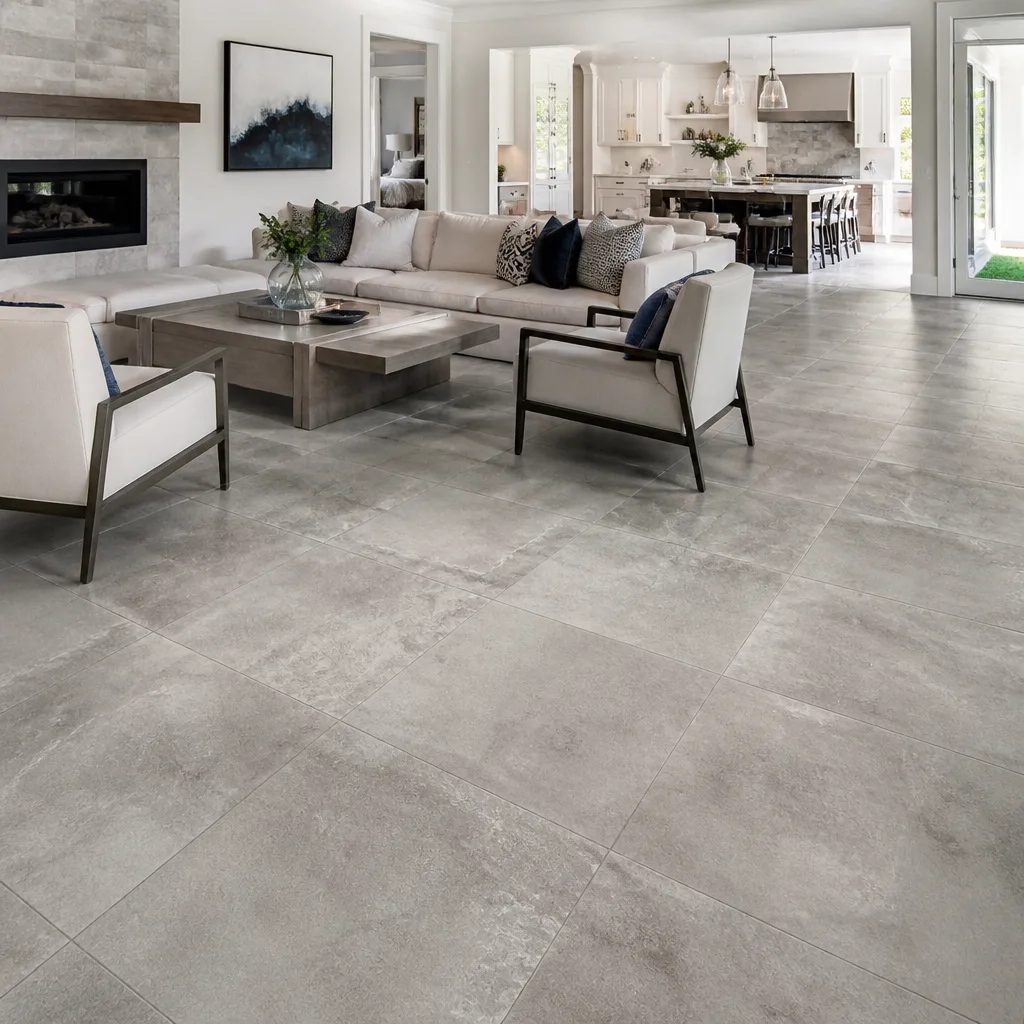
- Porcelain and ceramic tile. The most forgiving category. Tile doesn’t care about the humidity swing. As long as the slab is sound and the installation accounts for substrate movement, tile is stable year-round. It also handles spills and pet accidents without a problem. Daltile’s ceramic and porcelain lines give a wide range of looks, from wood-look planks to large-format stone-look tiles.
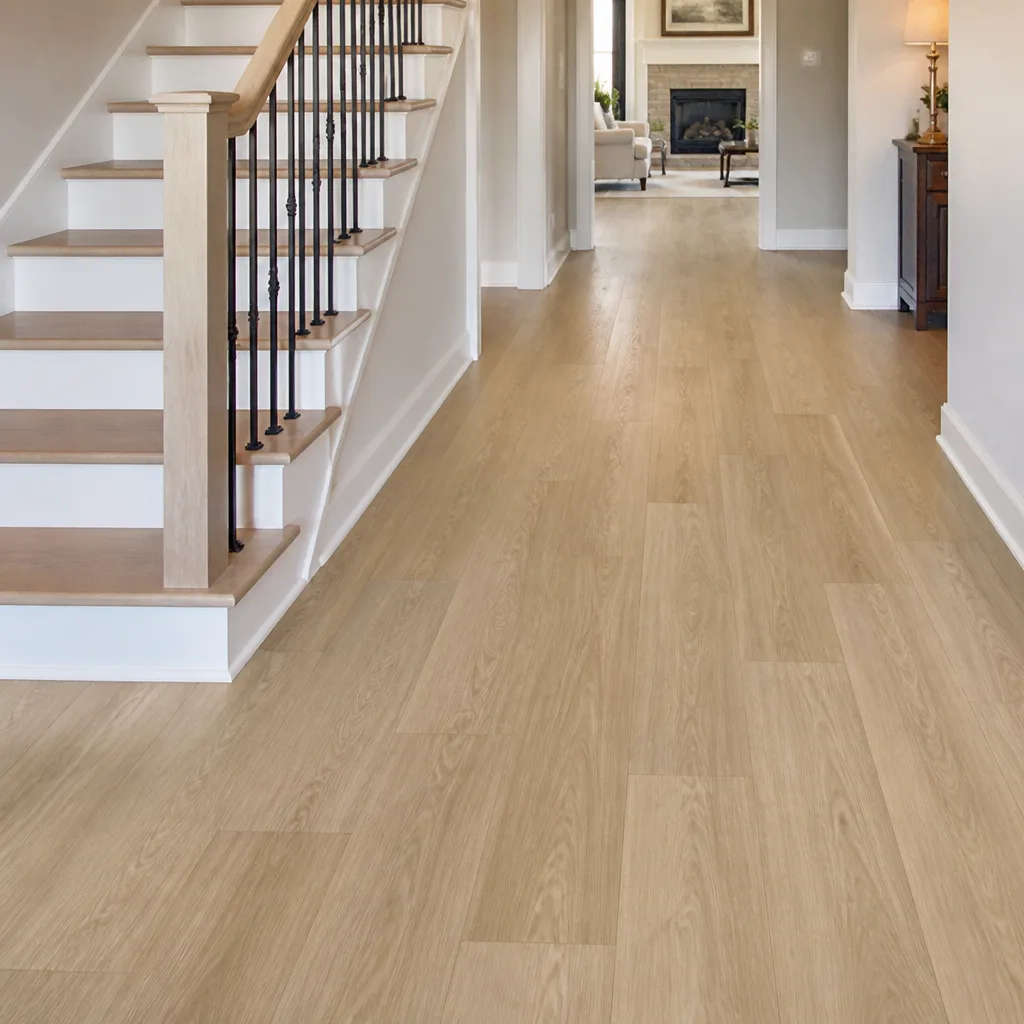
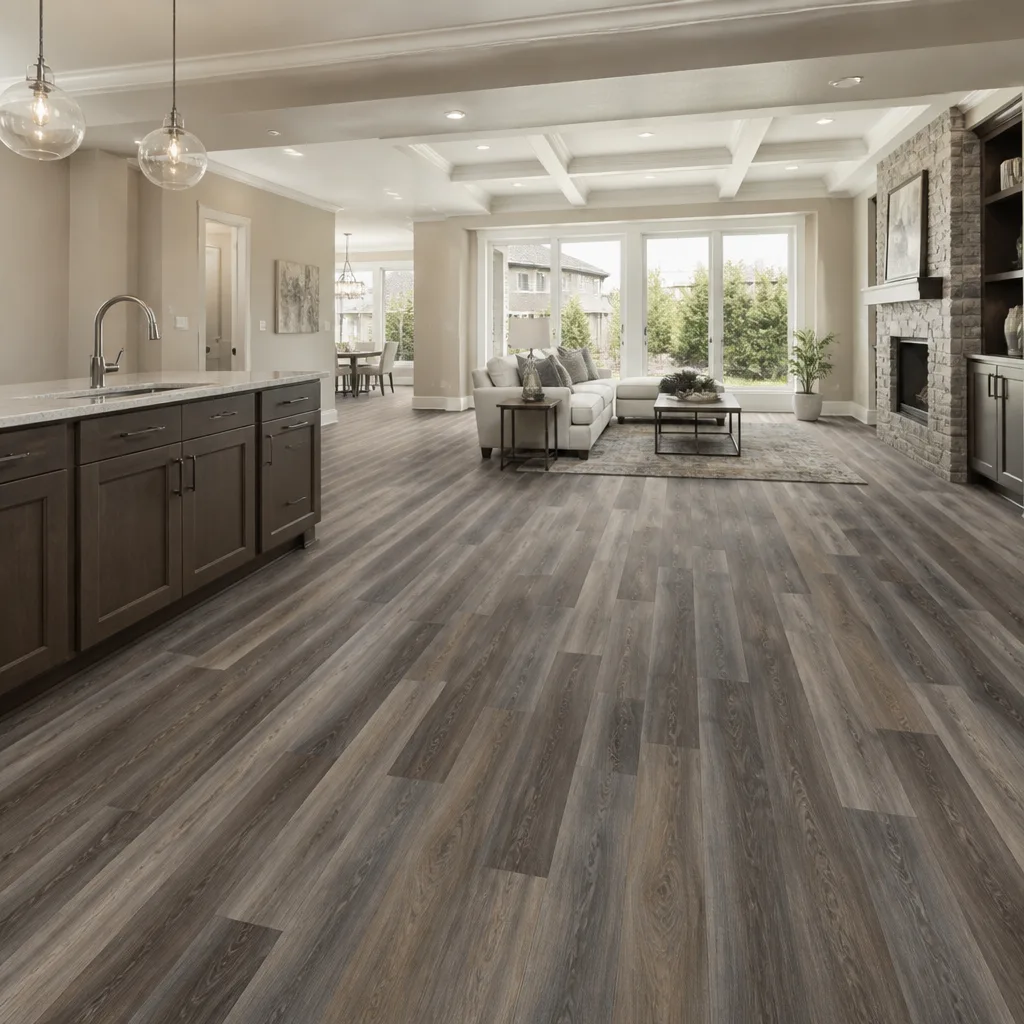
- Rigid-core luxury vinyl plank. The strongest all-around performer for most rooms in Paradise. COREtec and LifeProof are water-resistant systems, which matters in kitchens, bathrooms and laundry areas. The rigid core holds its shape through the humidity swing far better than flexible sheet vinyl did. In a home with pets or kids, this is often the practical answer.
- Engineered hardwood. A good middle ground if you want real wood. Choose an engineered product with a stable plywood core and a wear layer thick enough for the traffic the room sees. It handles the humidity swing with fewer gaps than solid hardwood, though the surface will still show some seasonal movement.
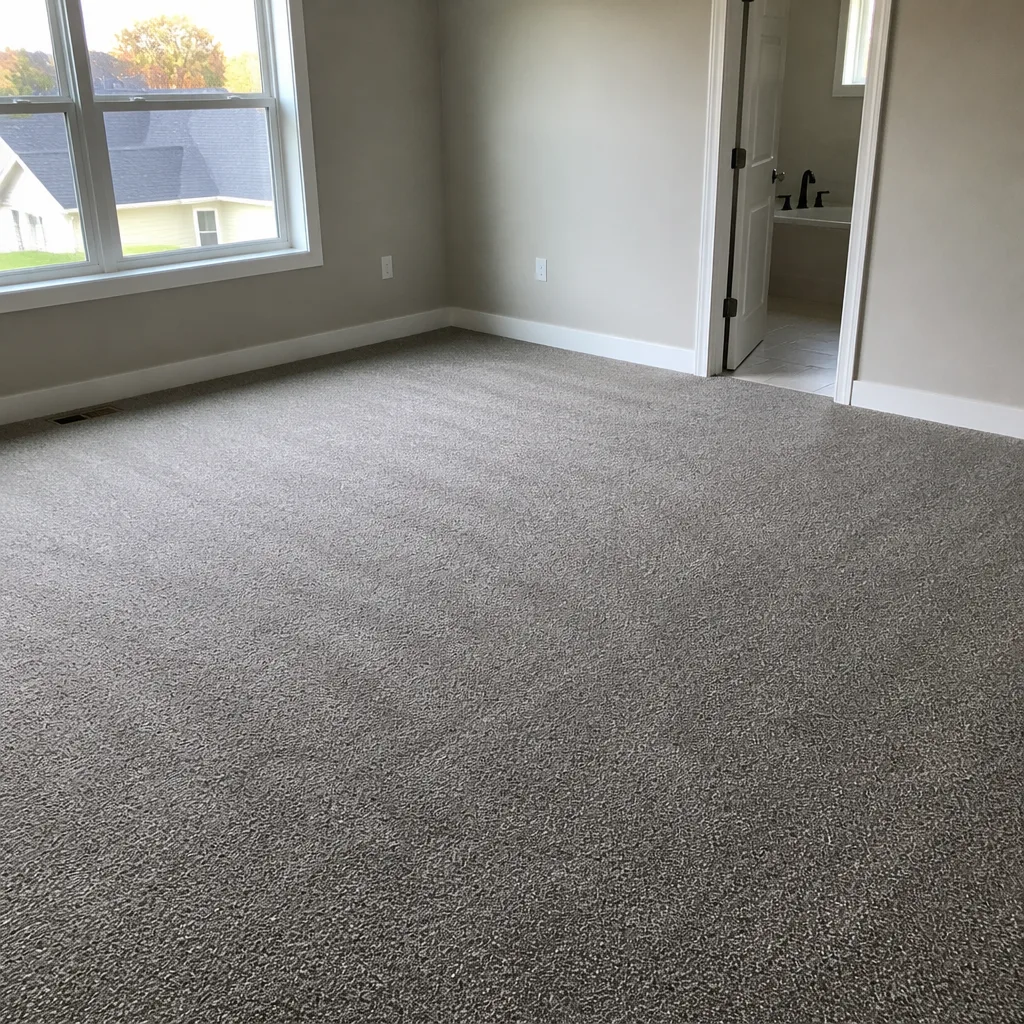
- Carpet. A solid choice for bedrooms and living rooms where comfort matters more than moisture resistance. The key is proper stretching and a backing that holds up to the seasonal swings. Carpet in a bathroom or a basement-adjacent space in Paradise is a weak fit for other reasons, mainly moisture from below and spills.
- Solid hardwood. Beautiful and legitimate, but the most demanding option here. Solid planks need careful acclimation, wider expansion gaps than you’d use in a more humid climate, and a homeowner who manages indoor humidity. Without those steps, gaps and cupping are common.
- Flexible sheet vinyl or older-style vinyl plank without a rigid core. The least dimensionally stable option in this climate. It telegraphs every subfloor imperfection and can ripple or lift with temperature and humidity swings. Fine for a short-term budget project; not the first choice for a long-term Paradise home.
If you want a single sentence: in Paradise, hard surface beats solid wood, rigid core beats flexible vinyl, and slab prep matters more than the label on the box.
Why does slab-on-grade construction matter in a desert?
This is the counterintuitive part of building in Paradise. Most homes here sit on a concrete slab poured at grade. Concrete is porous. Moisture moves through it from the soil below and from the slab’s own curing process, and that vapor pushes upward into whatever covers it. In a desert, this seems like it shouldn’t be a problem, but it is.
Three things make slab moisture real in Paradise homes:
- Curing. New concrete releases water vapor for a long time after it looks dry. A floor installed over a slab that hasn’t released enough moisture can trap vapor underneath and damage the new material from below.
- Irrigation and landscaping. Water applied close to the foundation, from drip lines, sprinkler overspray or the rare monsoon downpour, moves into the soil and then through the slab.
- Slab cracks and penetrations. Cracks and plumbing penetrations are pathways for moisture. Even small ones can feed a slow, invisible problem under the floor.
Before installing over any slab in Paradise, we recommend testing the slab for moisture vapor emission. Test results and the product’s own installation instructions determine which underlayment or vapor barrier is appropriate. If a product says it needs a moisture barrier, that instruction isn’t a suggestion. It’s the difference between a floor that lasts and one that fails in the first humid season.
Why does acclimation take longer in Paradise than the box suggests?
Acclimation means letting flooring sit in the room where it will be installed long enough to reach equilibrium with that room’s temperature and humidity. Manufacturer minimums are just that: minimums. In a place with the humidity swing Paradise has, the practical acclimation window can be longer than what the box says.
Here’s why. If a floor is stored at a warehouse near sea-level humidity and then brought into a home where the indoor air is running at under 10% relative humidity because the heat is on, it will start drying out the moment it comes inside. Installing it before it stabilizes leads to gaps and cupping later. In summer, when monsoon humidity pushes above 50%, the opposite happens: the floor takes on moisture and swells. Installing an already-swollen floor leaves no room for it to shrink back, and you get buckling.
- Deliver the flooring to the room at least as many days as the product instructions specify. Those instructions are the minimum, not the target.
- Bring the home’s HVAC to its normal living conditions before delivery. Don’t acclimate a floor in a house that will be a different temperature next week.
- Leave the flooring in its packaging, stacked with spacers. This lets air circulate and keeps the boards from pressing on each other.
- Check the moisture content of the floor and the slab before installation. The written estimate should tell you what tests will be done and who is responsible for the results.
- Plan the install day for a stable stretch of weather if possible. The best window is often spring or fall, when the indoor humidity isn’t at either extreme.
An installer who skips acclimation, or who cuts it short to hit a schedule, is gambling with someone else’s floor. It’s a quick way to save two days and a slow way to create a callback in August.
How does low-latitude sun through west-facing windows affect a floor?
Paradise sits at a low latitude, and the afternoon sun through a west-facing window is intense for a long stretch of day. Ultraviolet light breaks down the colorants and surface treatments on any floor it hits for hours at a time. Over a couple of seasons, you can see a visible boundary where furniture sat compared to the sunlit area, or a bleached strip along the window wall.
What actually helps and what is mostly marketing:
- Wear layers with UV inhibitors. Vinyl wear layers that carry UV inhibitors resist fading better than those that don’t. Ask about the wear layer, not just the image layer.
- Ceramic and porcelain tile. Glazed tile doesn’t fade from UV in the same way. The grout can discolor, but the tile surface holds up to sun.
- Site-finished hardwood. Wood floor finishes can be protected with the right topcoat, and wood itself actually patinas with UV rather than fading. Engineered hardwood shows less dramatic change if the finish carries UV protection.
- Window coverings. The single most effective defense against UV fading in Paradise is a proper blind, shade or low-emissivity window film. This matters more than the wear-layer spec sheet in most homes.
- “Fade-proof” claims. No flooring material is truly fade-proof. The honest framing is that some wear layers resist fading better than others, and sun management is the homeowner’s job regardless of what’s on the cabinetry.
West-facing rooms in Paradise take the worst of it. If a room has afternoon sun for four or five hours a day, plan accordingly when picking a product and plan on window coverings. If you want real wood in a sun-baked room, engineered hardwood or a lighter stain shows the difference less dramatically over time.
A practical guide to choosing a floor for your Paradise home
Here’s the decision process we walk homeowners through for a Paradise project, whether it’s a single room refresh or a full renovation. You can use this yourself to narrow the choice before requesting an estimate.
- Identify the room and its traffic. Kitchens, bathrooms and laundry rooms need hard, water-resistant surfaces. Bedrooms and living rooms can take carpet or any hard surface.
- Note the sun exposure. West-facing rooms need either UV-resistant surfaces, window coverings, or both.
- Check the substrate. Slab-on-grade needs moisture testing before anything goes down. A raised wood subfloor needs a flatness check.
- Decide how much seasonal movement you’ll tolerate. If gap lines will bother you, engineered hardwood or rigid-core LVP is a better fit than solid wood.
- Pick a brand and product line. Nine recognized brand lines give a wide range here, from Shaw and Mohawkfor carpet to COREtec and LifeProof for rigid-core vinyl, Daltile for ceramic and porcelain, and Karndean for premium design vinyl. Karndean and Daltile both recommend trained installers, so the brand of the floor affects who can install it well.
- Book a free in-home estimate. The measure, the substrate check and the product specifications together set the written price and the install schedule. That’s where the plan gets real.
- Schedule the install for a stable weather window. Acclimate, prep the substrate, install in the right order, and don’t rush the transitions.
One brand note worth flagging: this portfolio covers LVP, tile and carpet, which means we can handle a whole-home project from one estimate. For broader background on our work, see Flooring Installation Paradise.
Room-by-room recommendations for Paradise homes
Different rooms in a Paradise home deal with the climate in different ways. Here’s how the categories usually shake out room by room.
Kitchens
Rigid-core vinyl plank from COREtec or LifeProof is often the practical answer for kitchens in Paradise. It’s water-resistant, comfortable underfoot, and holds shape through the humidity swing. Porcelain tile is the other strong option and is nearly unaffected by household moisture. Wood in a kitchen is possible but adds risk from sink splash and dishwasher leaks.
Bathrooms
Porcelain tile from Daltile is usually the first choice. Glazed tile resists water and doesn’t care about the humidity swing. A properly installed vinyl bathroom floor also works if the brand spec allows it. Carpet in a bathroom is a poor fit for moisture and everyday use.
Living rooms and great rooms
This is where homeowners most often choose hardwood, engineered hardwood or a premium vinyl like Karndean. If the room has big west-facing windows, plan for window coverings and pick a floor with a UV-resistant wear layer. If the room sees heavy traffic from kids or dogs, rigid-core LVP will hold up more gracefully.
Bedrooms
Carpet is a good fit for bedrooms in Paradise. Proper stretching and a quality backing keep it stable through the seasonal swing. If you prefer hard surface, rigid-core LVP or engineered hardwood both work. Carpet installation for a few bedrooms is a reasonable single-day-style project if the room is cleared and the estimate is booked ahead.
Whole-home projects
A whole-home project is where working with one installer matters most. Carpet, tile and hardwood refinishing all in one plan means one measure, one written estimate, and one install schedule. If you’re refinishing existing hardwood in one part of the home and installing tile in another, that coordination happens up front rather than as two separate contracts.
For more detail on hard-surface work, see our tile flooring installation page. If the project mixes carpet and hard surface, the soft-surface work is covered under carpet installation.
What maintenance keeps a floor stable through the seasons?
Floor maintenance in Paradise isn’t just about cleaning. It’s about managing the indoor environment so the material stays in its stable range year-round. These habits prevent most of the seasonal problems we see.
- Keep indoor humidity consistent. A whole-home dehumidifier in monsoon season and a humidifier in the dry winter months can reduce the swing dramatically. This one step alone prevents most of the gapping and cupping homeowners call about.
- Close shades on west-facing windows in the afternoon. Reduces UV exposure and the temperature swings that stress every floor surface.
- Wipe up spills promptly. Even water-resistant floors don’t want standing water. Water-resistant is not the same as waterproof in practice, and moisture from below is still a concern.
- Keep the slab drainage clear. Keep irrigation lines away from the foundation and watch for pooling during the monsoon months.
- Move area rugs and furniture periodically. Prevents sun-fade patterns and lets the floor breathe.
- Inspect transitions each season. Small changes at the transition strips and doorways show the first signs of a floor that’s moving more than it should.
Refinishing existing hardwood is often the better answer than replacement when a floor is only cosmetically tired. We perform hardwood floor refinishing as part of the core lineup, which means a floor can often be brought back without tearing it out. The floor’s thickness and condition determine whether refinishing is an option, and that’s checked at the estimate.
Common Mistakes to Avoid
- Trusting the humidity number from the box. A manufacturer’s minimum acclimation window is a floor, not a target, and a Paradise home in a dry winter or a monsoon week can need longer. Skimping on acclimation is the fastest way to see gaps or buckling.
- Assuming the desert slab is dry. Slab-on-grade construction is standard in Paradise, and concrete holds vapor long after it looks dry. Skip the moisture test and you risk damaging the floor from underneath.
- Installing solid hardwood without widening the expansion gaps. Standard gaps cut for a humid climate are too tight for the swing in a Paradise home. The floor needs room to move in both directions.
- Choosing a floor by image alone. A floor’s wear layer and core decide how it handles UV and humidity, not just its color and pattern. Ask about the wear layer before signing anything.
- Ignoring west-facing windows. A low-latitude afternoon sun exposure will fade any floor over time. Window coverings matter more than any “fade-resistant” marketing claim.
- Stretching carpet on a Sunday afternoon like it’s a weekend project. Carpet needs proper power-stretching and a backing that handles seasonal swings. A DIY stretch job in Paradise is a common source of ripples and loosening.
- Assuming a Saturday install will work. We’re closed Saturday. Install days are booked through the week or on Sunday, and the schedule is set at the estimate.
See the difference
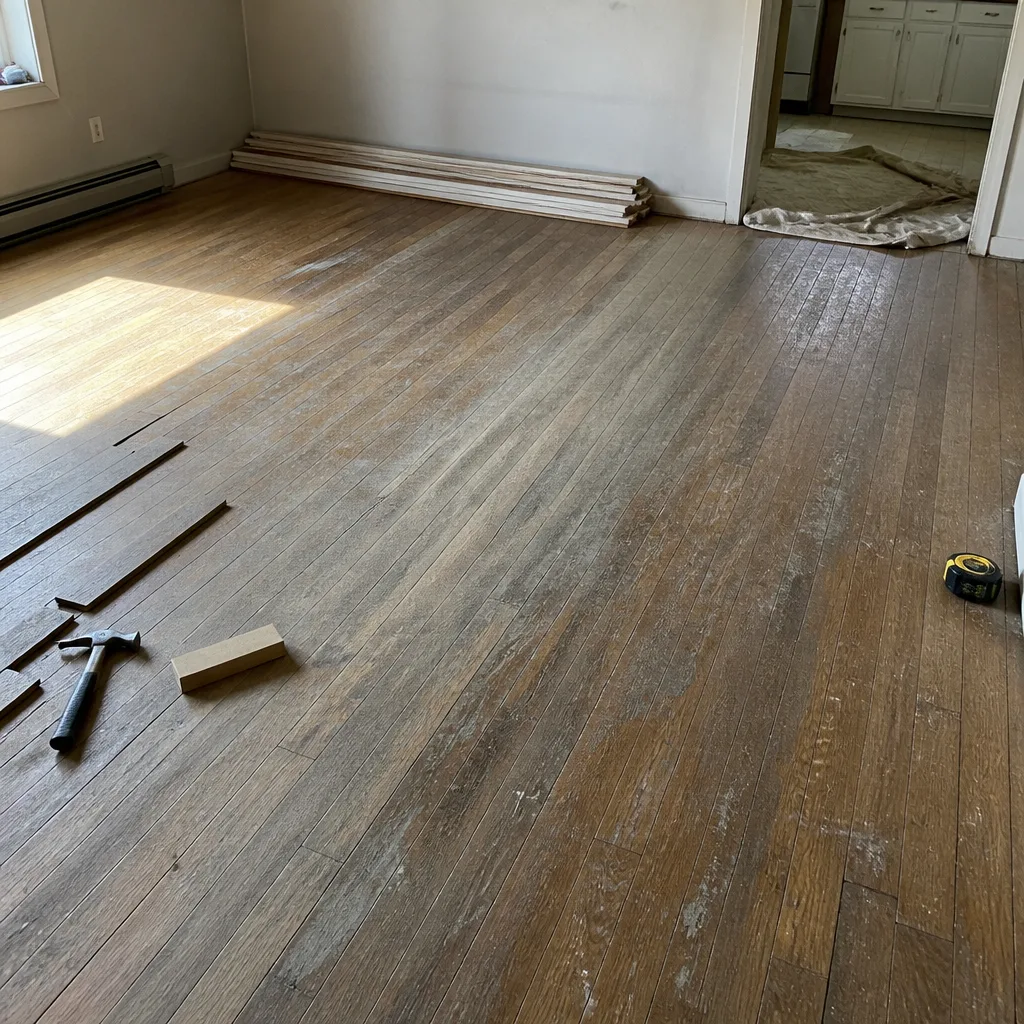 Before
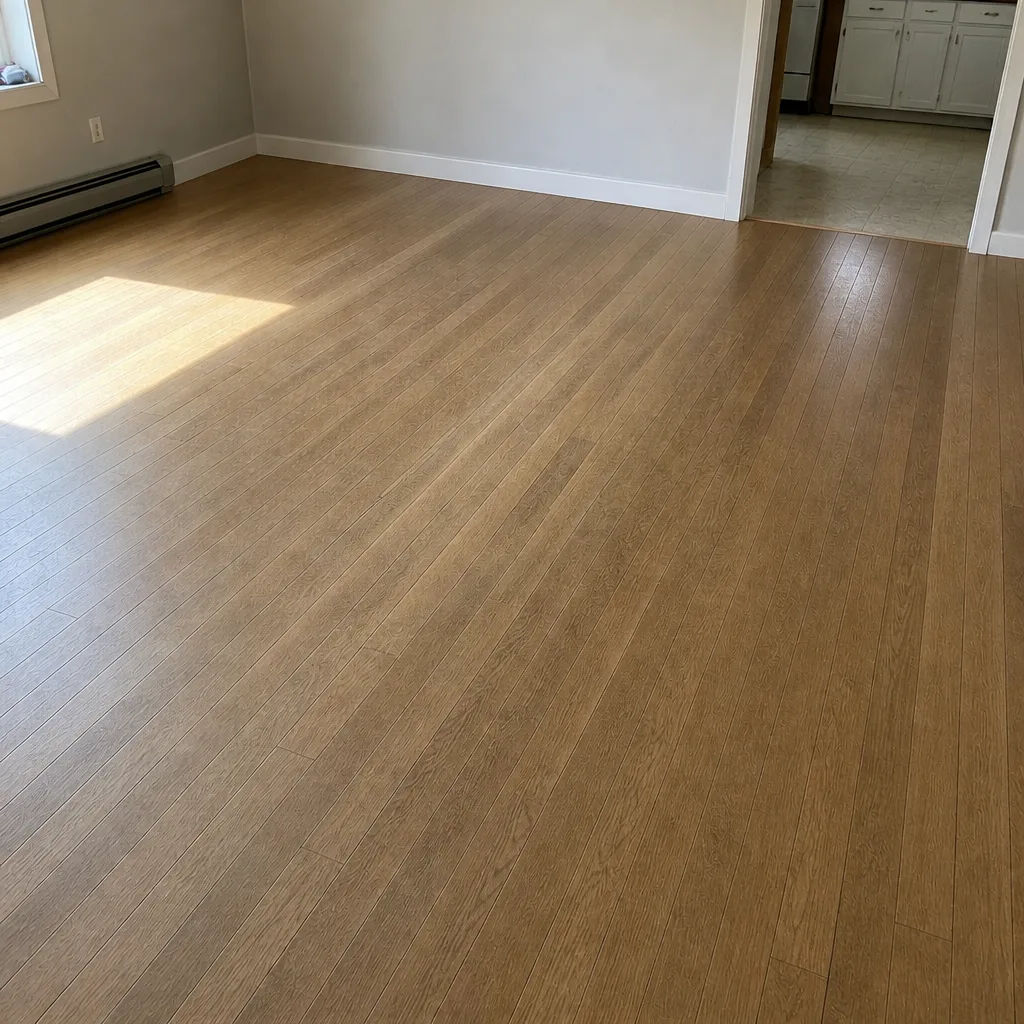 After
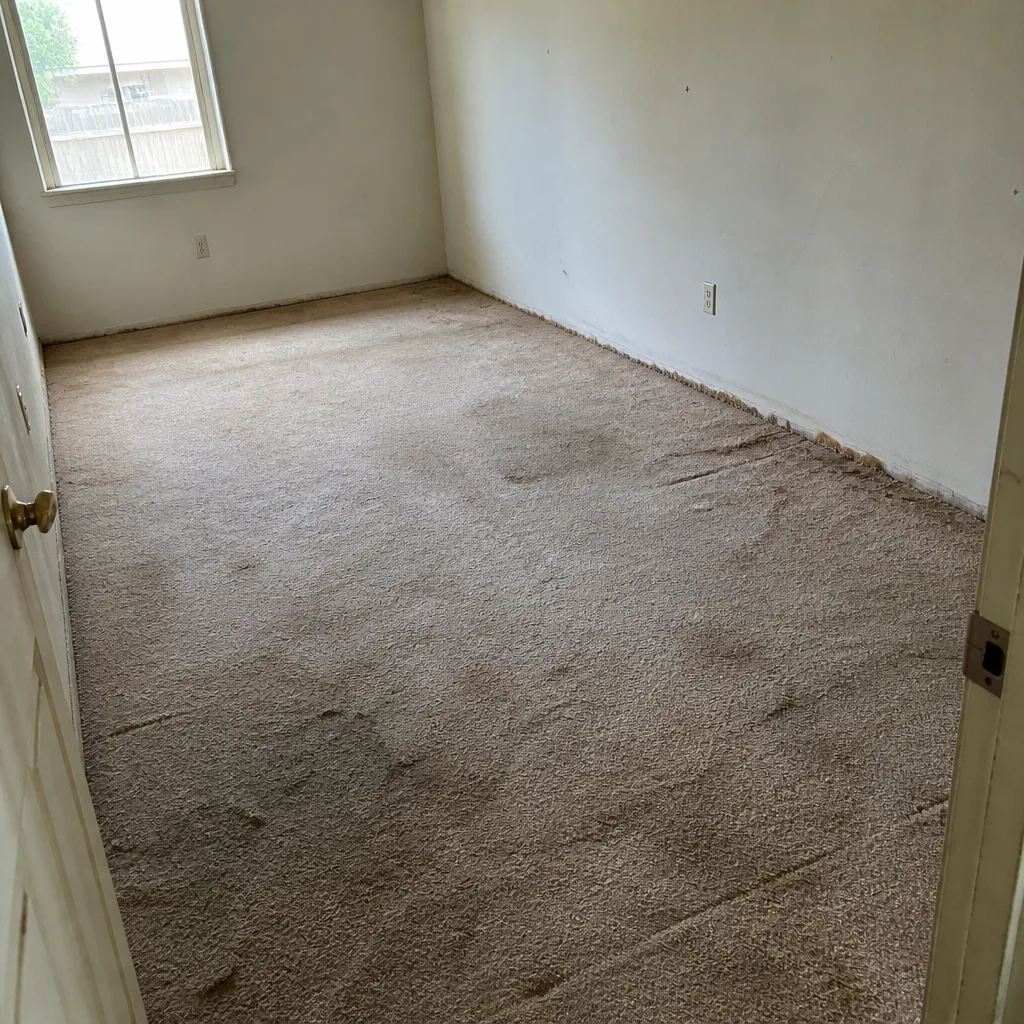 Before
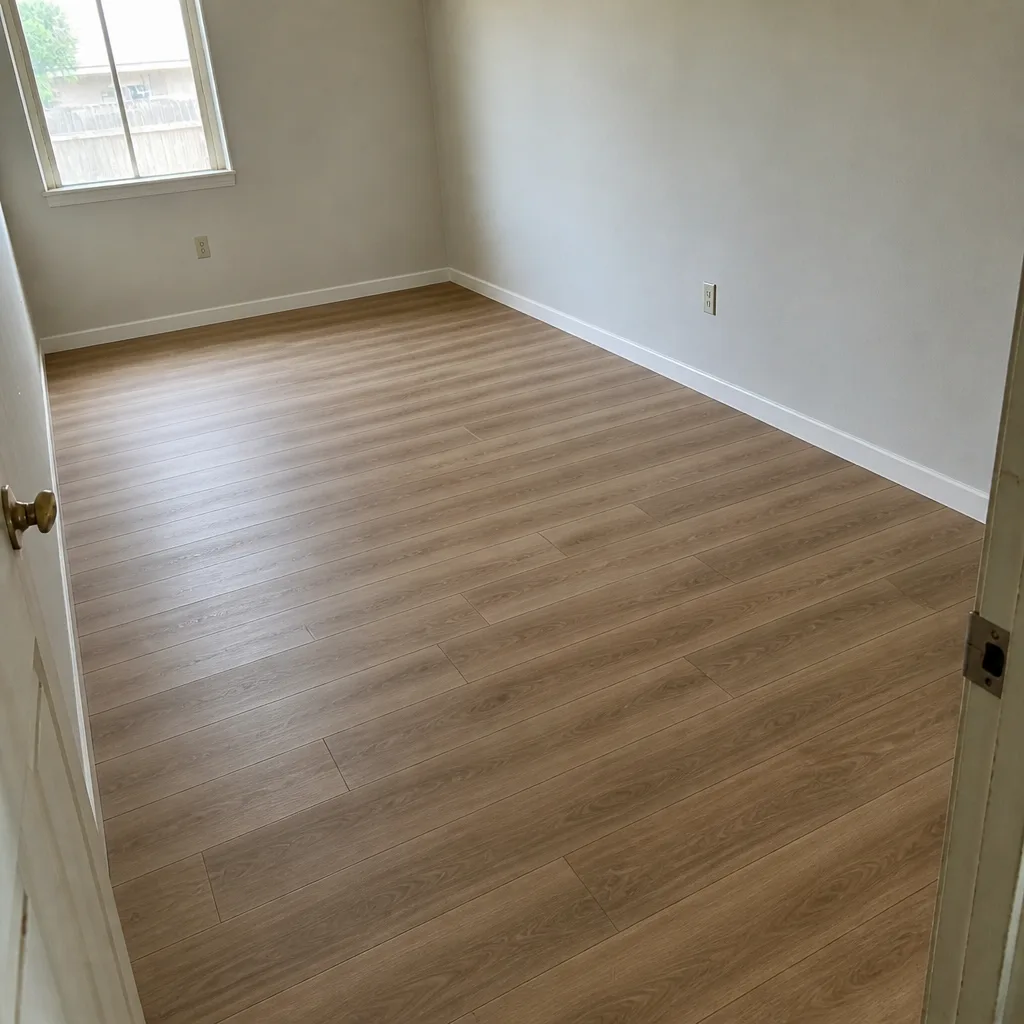 After
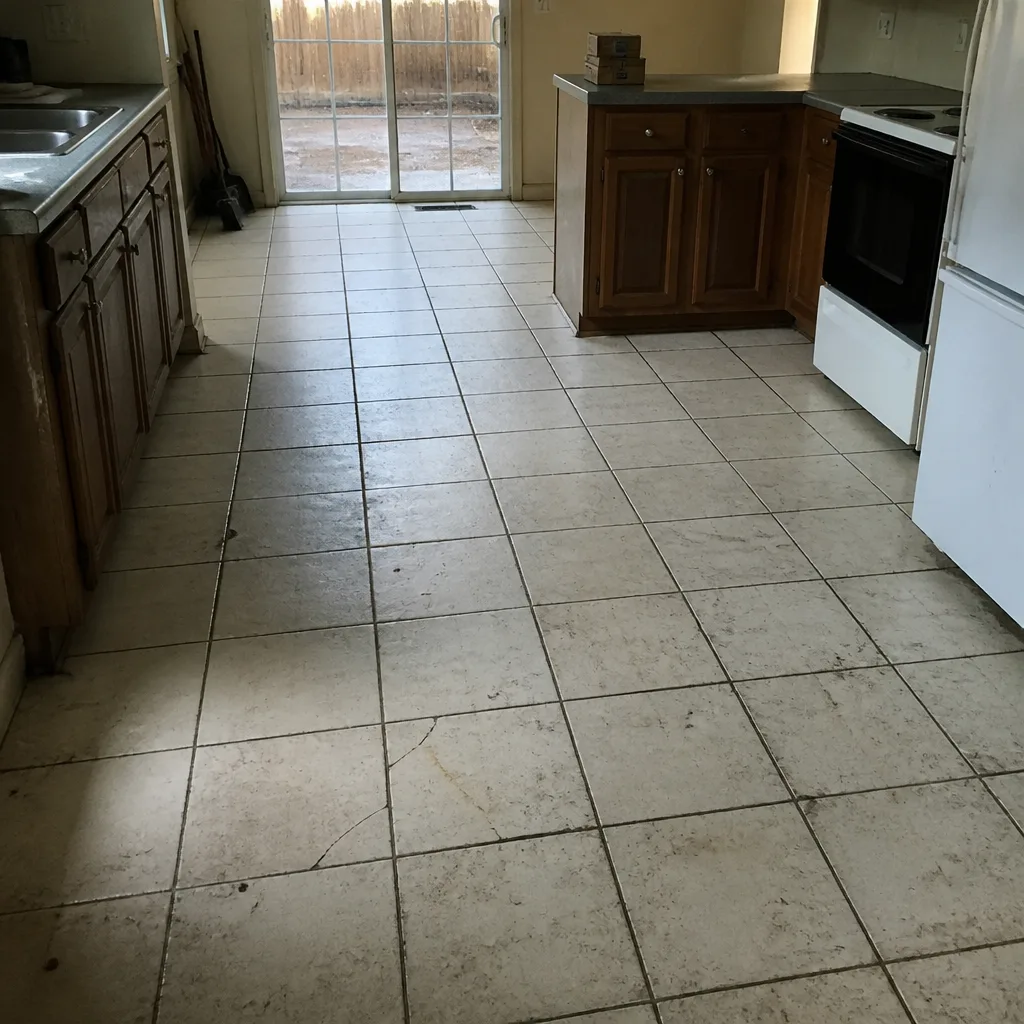 Before
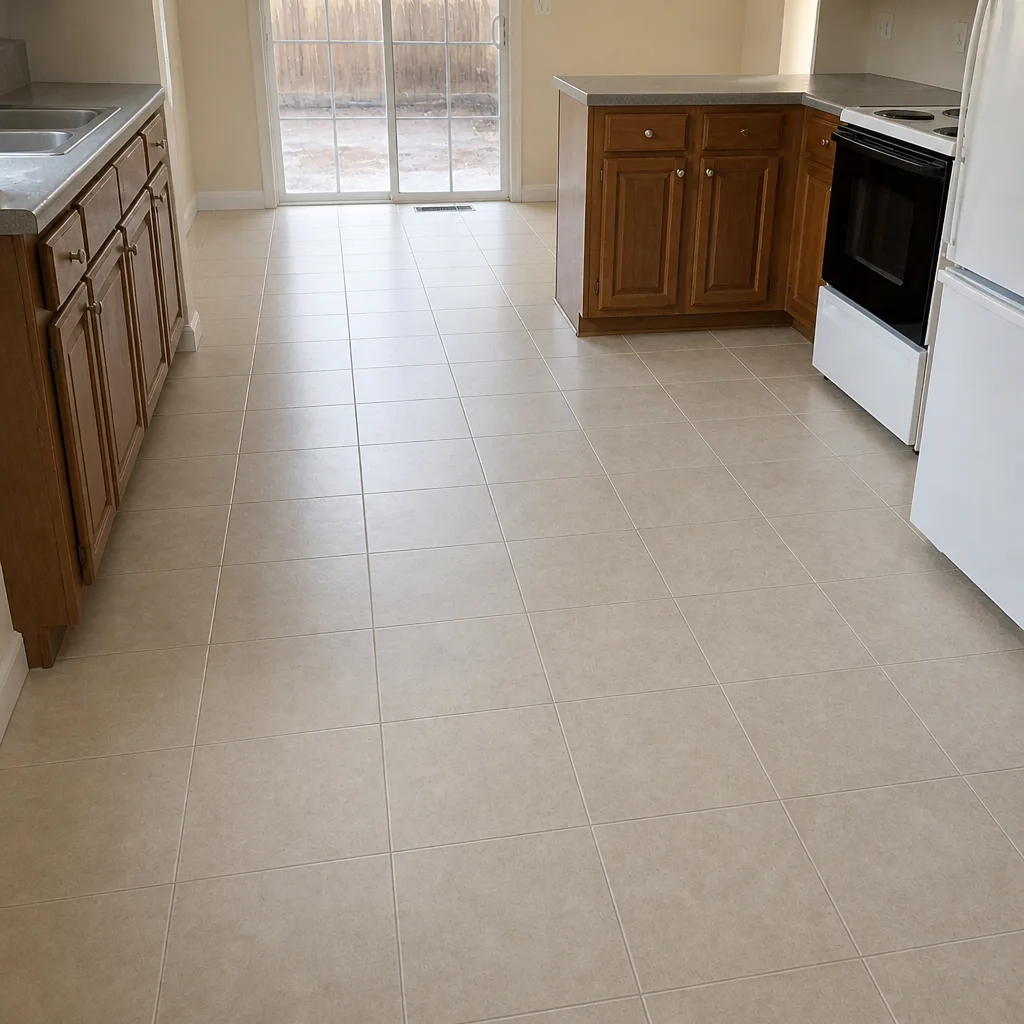 After
When to Call a Professional
Some flooring issues are cosmetic and can wait. Others point to a substrate problem, a moisture problem or an installation that’s failed too far to patch. Call a professional if you see any of these: a floor that cups, buckles or gaps more than small seasonal movement; a carpet that ripples or loosens; a tile floor with hollow-sounding spots or cracked grout lines; any sign of moisture under a slab-on-grade floor; or a hardwood floor that’s lost its finish and needs refinishing rather than replacement. If your project involves multiple rooms or a mix of materials, a pro estimate also saves you from coordinating between vendors.
Flooring Installation Paradise offers free estimates in Paradise. We handle carpet, tile and hardwood refinishing under one quote, with brand lines that span Shaw, Mohawk, COREtec, Pergo, LifeProof, Mannington, Armstrong, Daltile and Karndean. Call (888) 343-1639. We answer 24/7. Fast dispatch from 7am to 7pm, Sunday through Friday. Learn more about our Paradise service area.
Frequently Asked Questions
Rigid-core luxury vinyl plank (COREtec or LifeProof), porcelain or ceramic tile, and engineered hardwood with a stable plywood core are the best three categories for the Paradise climate. Solid hardwood can work with careful acclimation and wider expansion gaps, but it moves the most across the seasonal humidity swing. Call (888) 343-1639 for a free estimate on any of these options.
Yes, and more than most people expect. Indoor relative humidity in the Las Vegas Valley can fall below 10% in winter and climb past 50% during the July monsoon season. That range is enough to shrink and swell wood, open gaps between planks and stress the edges of any wood-based floor. Rigid-core vinyl and tile handle it far more gracefully. Call (888) 343-1639 to talk through which option fits your home.
Because most Paradise homes are built on concrete slabs poured at grade, and concrete passes moisture vapor upward. The slab looks dry but can still emit enough vapor to damage a floor from underneath, especially in the first years. Moisture testing before installation, plus the right underlayment or vapor barrier, prevents most of these problems. Call (888) 343-1639 for a free in-home estimate.
It depends on the product and the time of year. Manufacturer minimums are the floor, not the target, and in a Paradise home during a dry winter or a humid summer week, the practical window can be longer. The written estimate will tell you what the product calls for and how we’ll verify the floor is ready. Call (888) 343-1639 to schedule a free measure.
Over time, yes, if it gets direct afternoon sun for hours at a time. Low-latitude west-facing windows can fade wood, vinyl and laminate surfaces without proper window coverings. Wear layers with UV inhibitors help, and shading the window is the most effective defense. If you’re choosing new flooring for a sun-baked room, ask about UV-resistant wear layers before you commit. Call (888) 343-1639 to talk through options.
Often, yes, and it’s usually the better answer when the floor is intact but cosmetically tired. Refinishing preserves the existing floor and typically saves cost compared to a full replacement. Whether refinishing is an option depends on the thickness of the wood and its condition, which we check at the estimate. Call (888) 343-1639 for a free assessment.
The Bottom Line
The Paradise climate isn’t just hot. It’s a wide, fast humidity swing in a slab-on-grade home with intense west-facing sun. The best flooring choice here starts with dimensional stability across that swing, not just heat tolerance. Rigid-core LVP, porcelain tile and engineered hardwood handle it best; solid hardwood can work with careful acclimation and wider expansion gaps. Slab moisture testing before any installation is non-negotiable, and window coverings matter more than any “fade-proof” label. If you’re planning a floor in Paradise, start with a free in-home estimate where the substrate, the sun exposure and the humidity plan all get worked out before a board is cut.
Flooring Installation Paradise installs carpet, tile and refinishes hardwood, with nine brand lines available in one quote. Call (888) 343-1639 to schedule your free estimate. We answer 24/7. Fast dispatch from 7am to 7pm, Sunday through Friday.
Written by the team at Flooring Installation Paradise.