
Last updated November 18, 2026
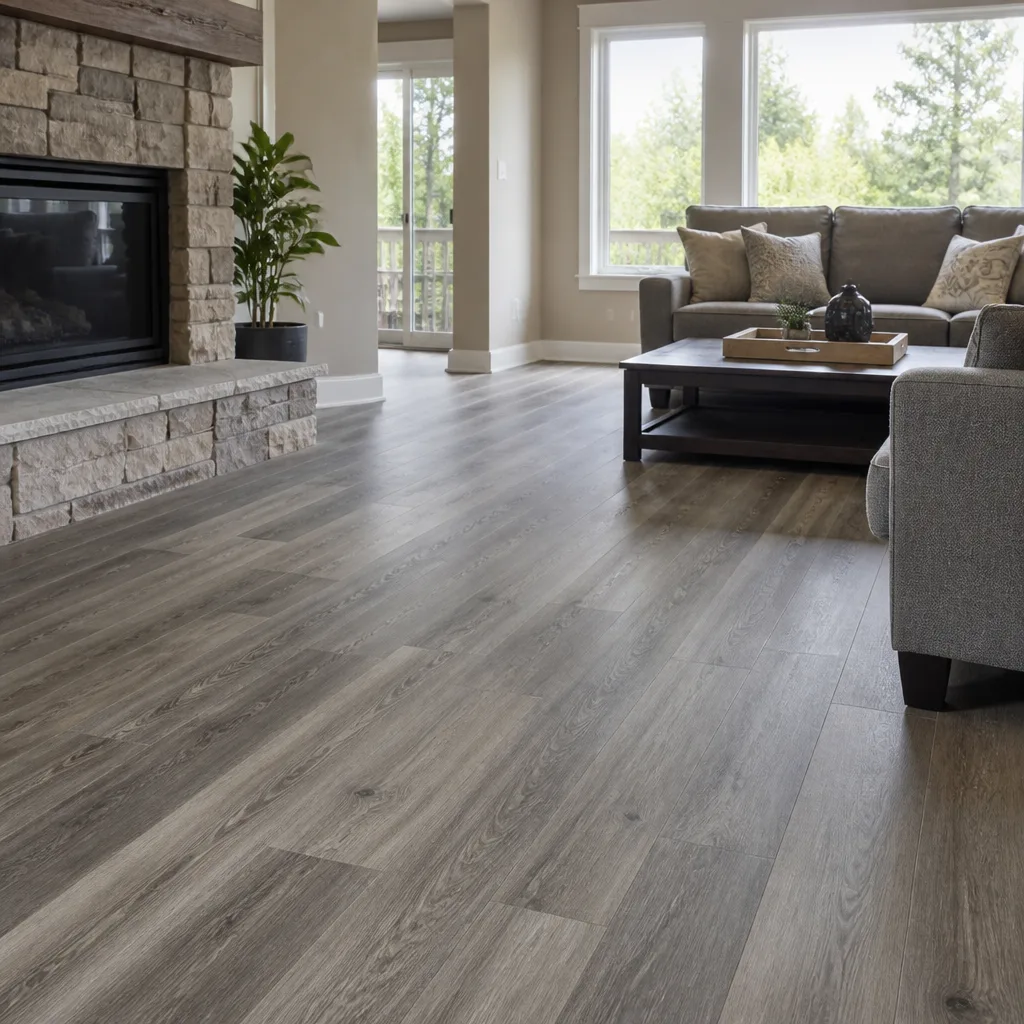 Luxury vinyl plank
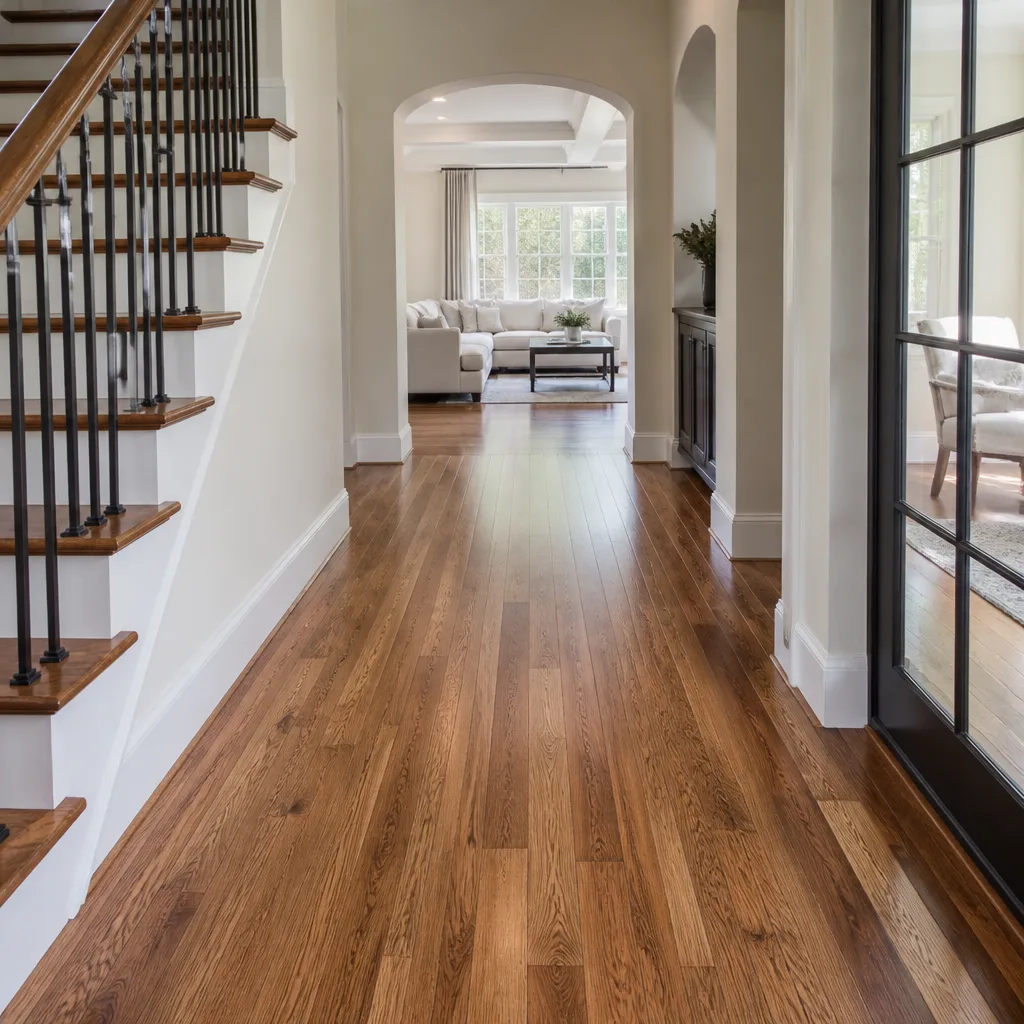 Hardwood
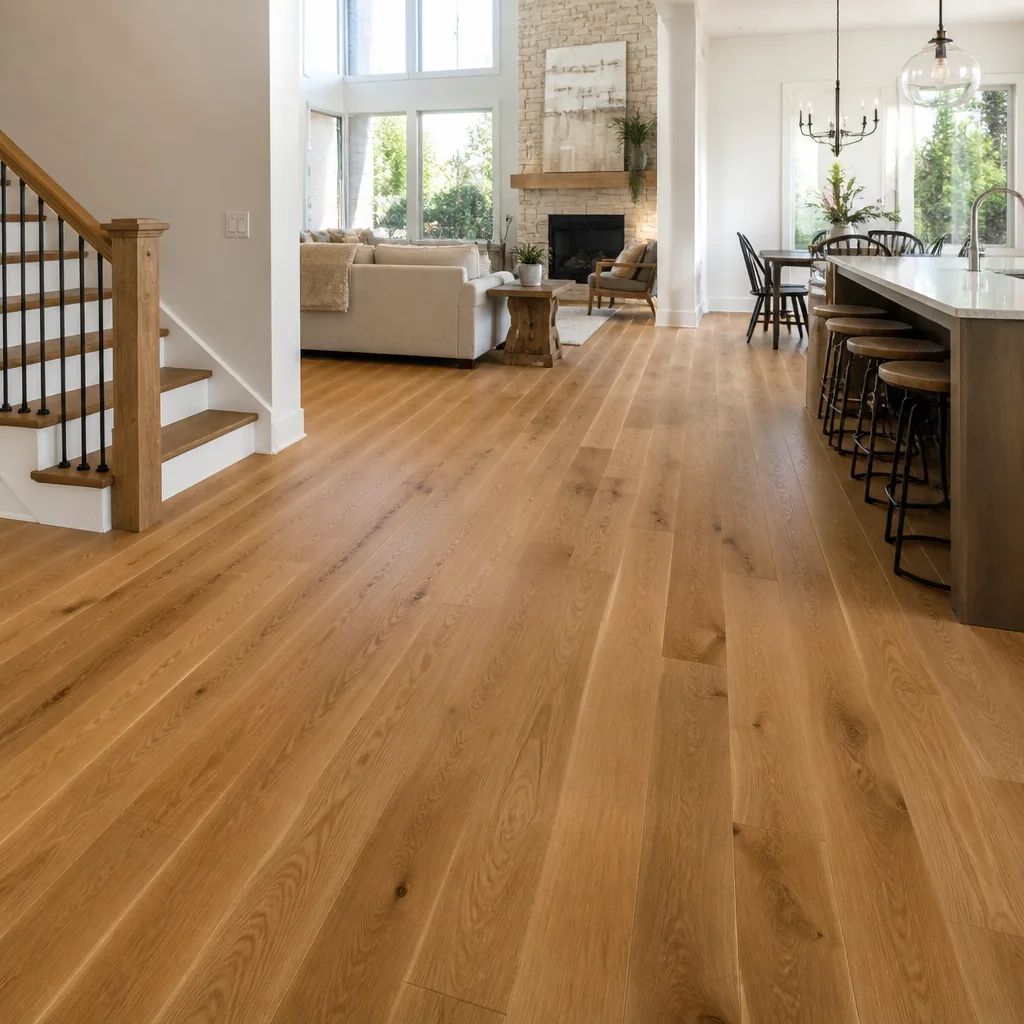 Engineered hardwood
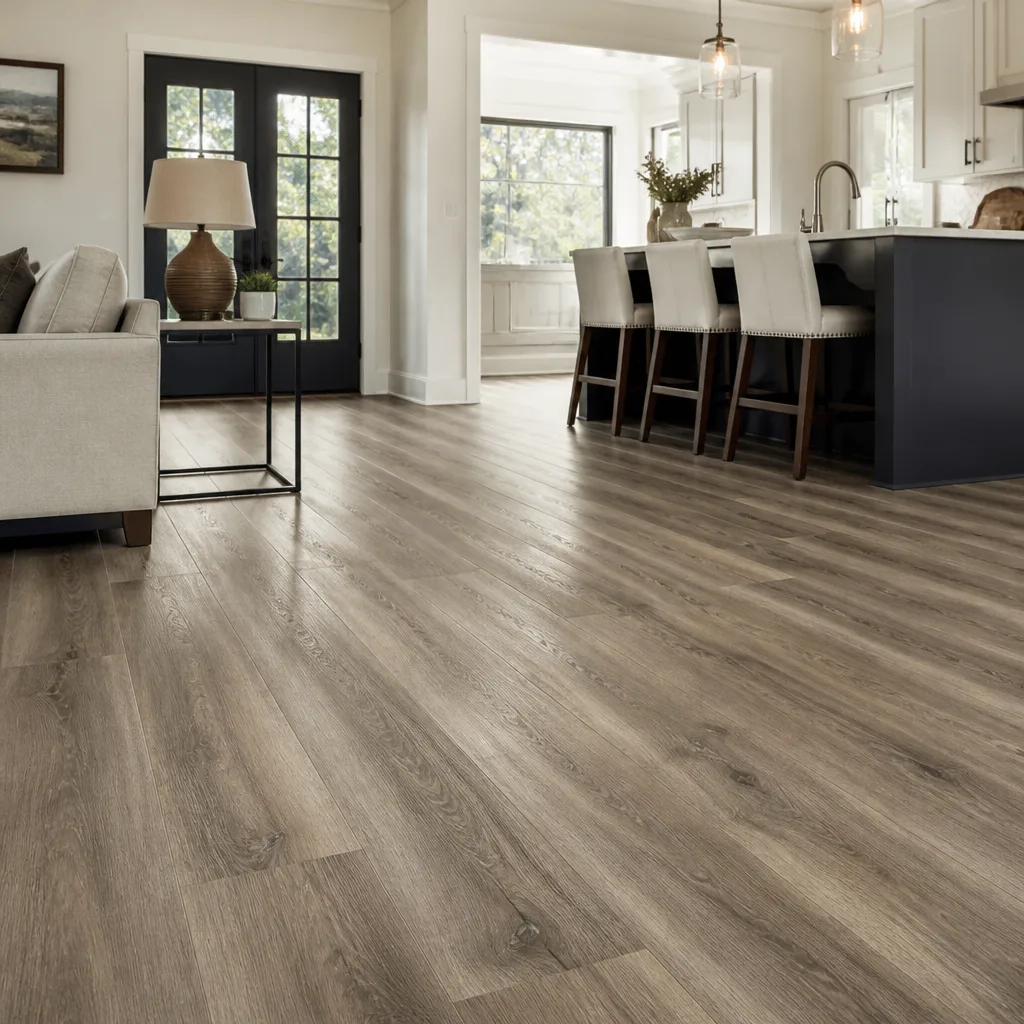 Laminate
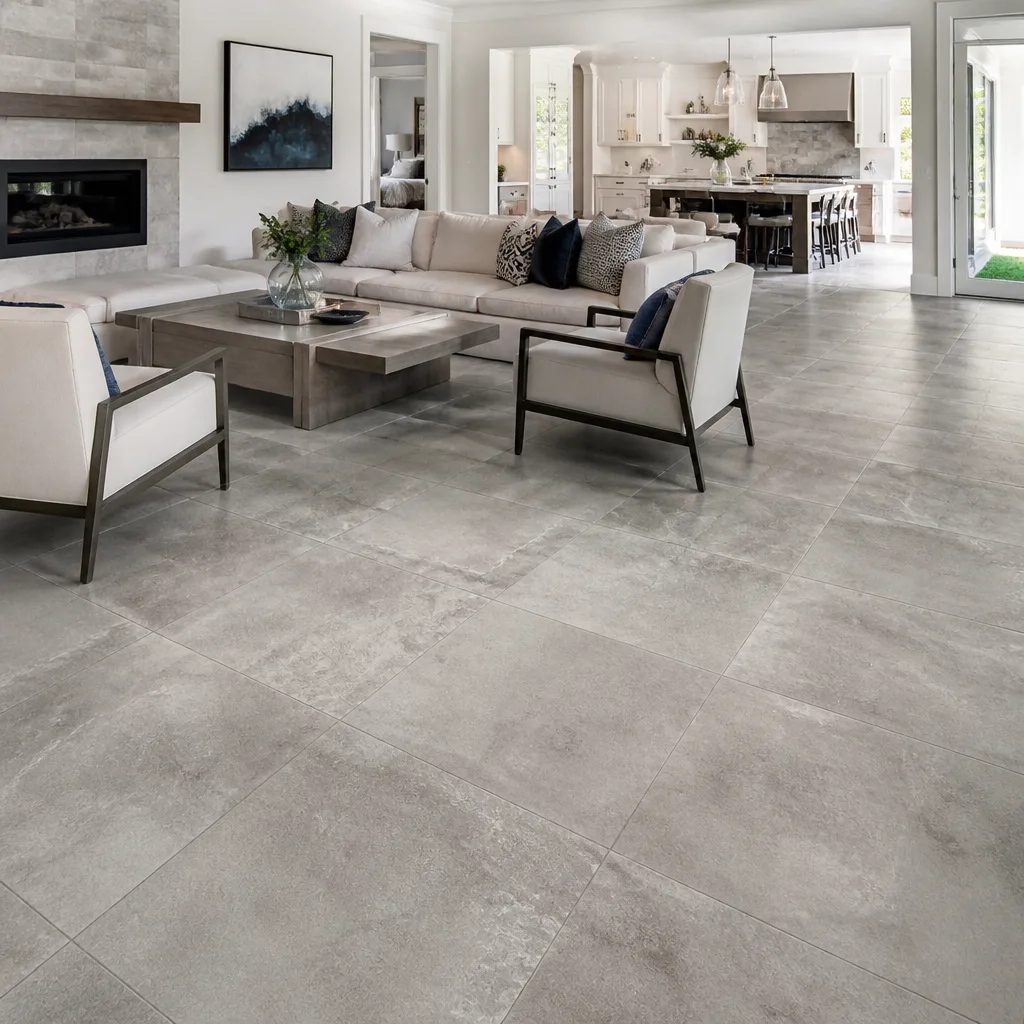 Porcelain tile
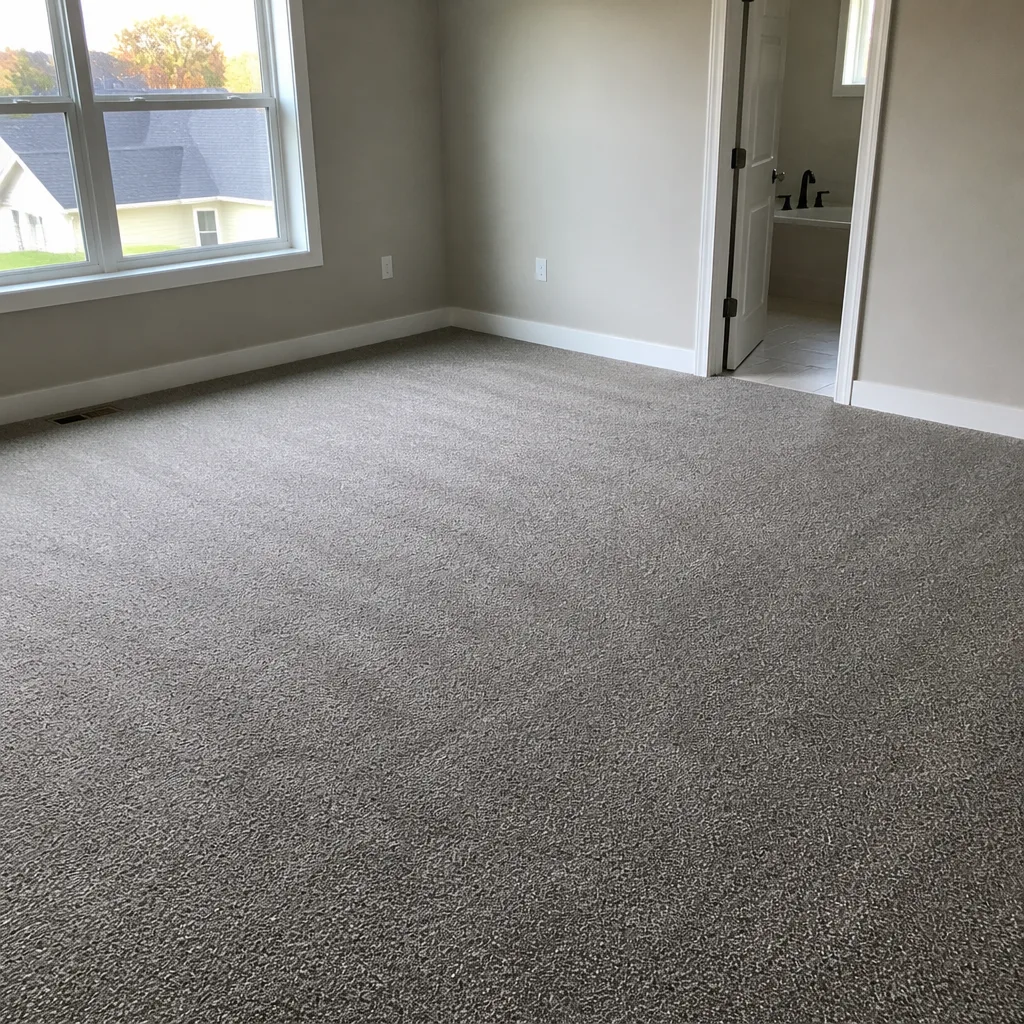 Carpet
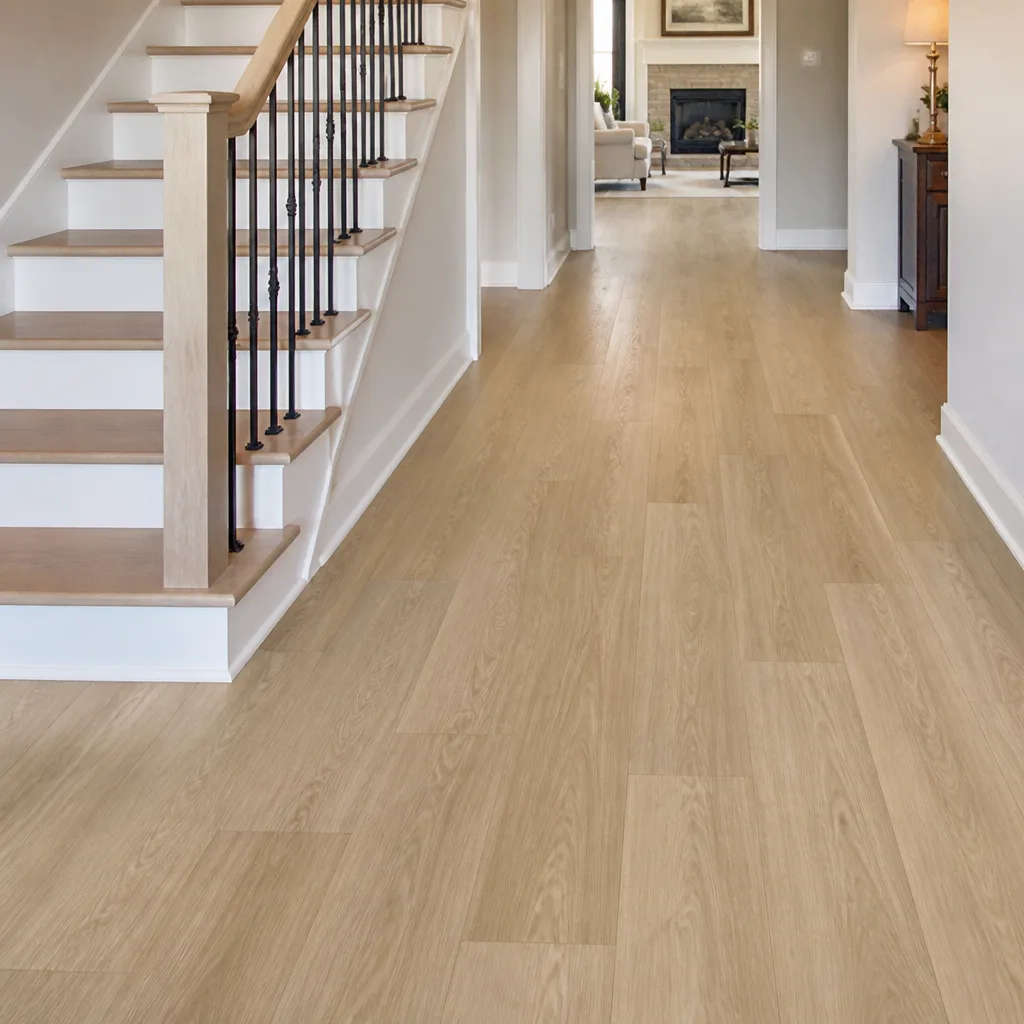 Shaw
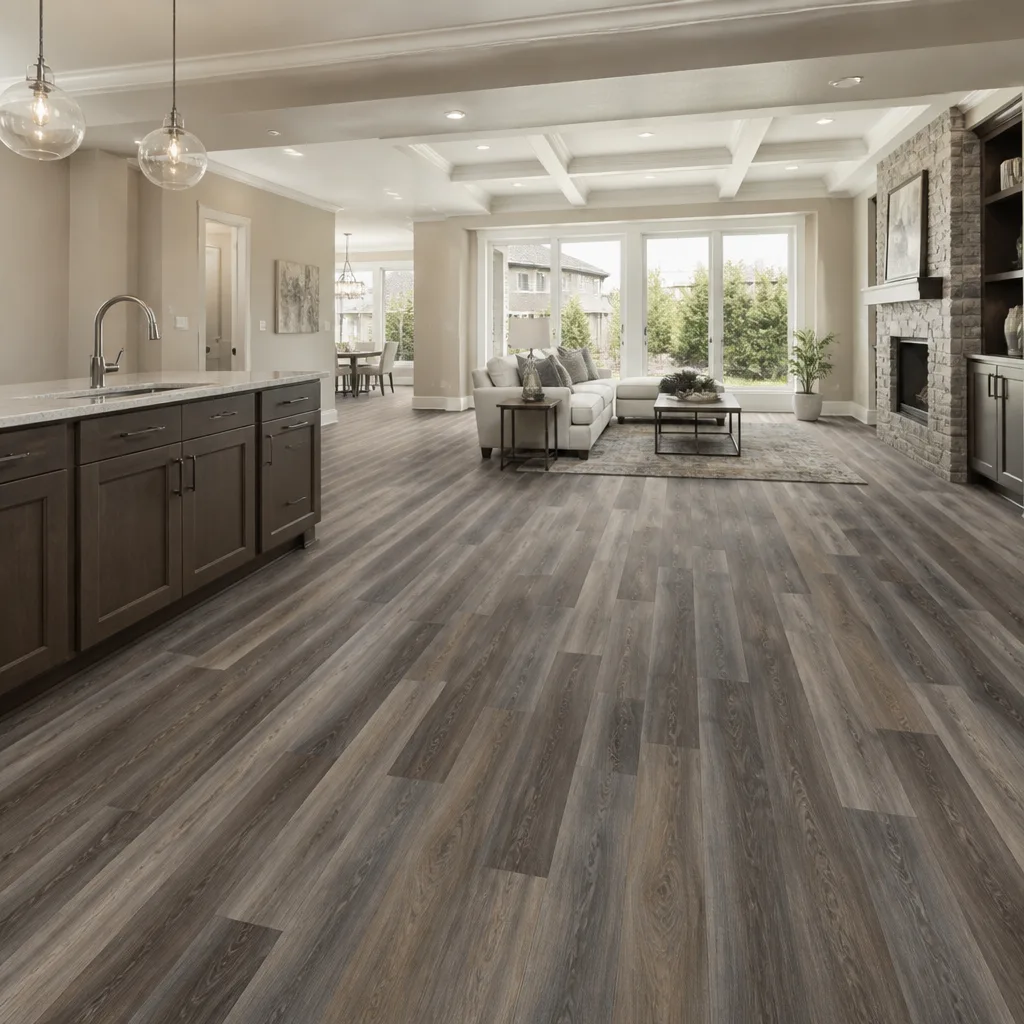 Mohawk
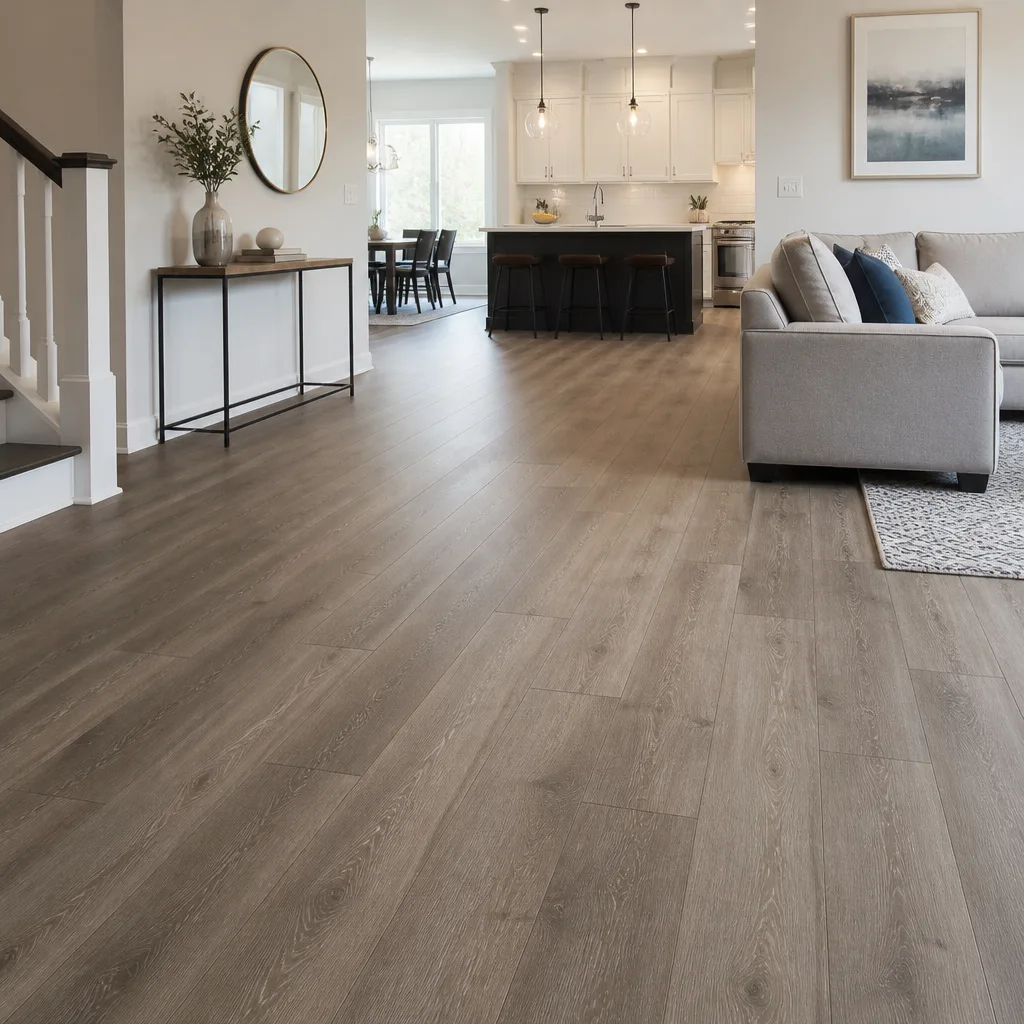 COREtec
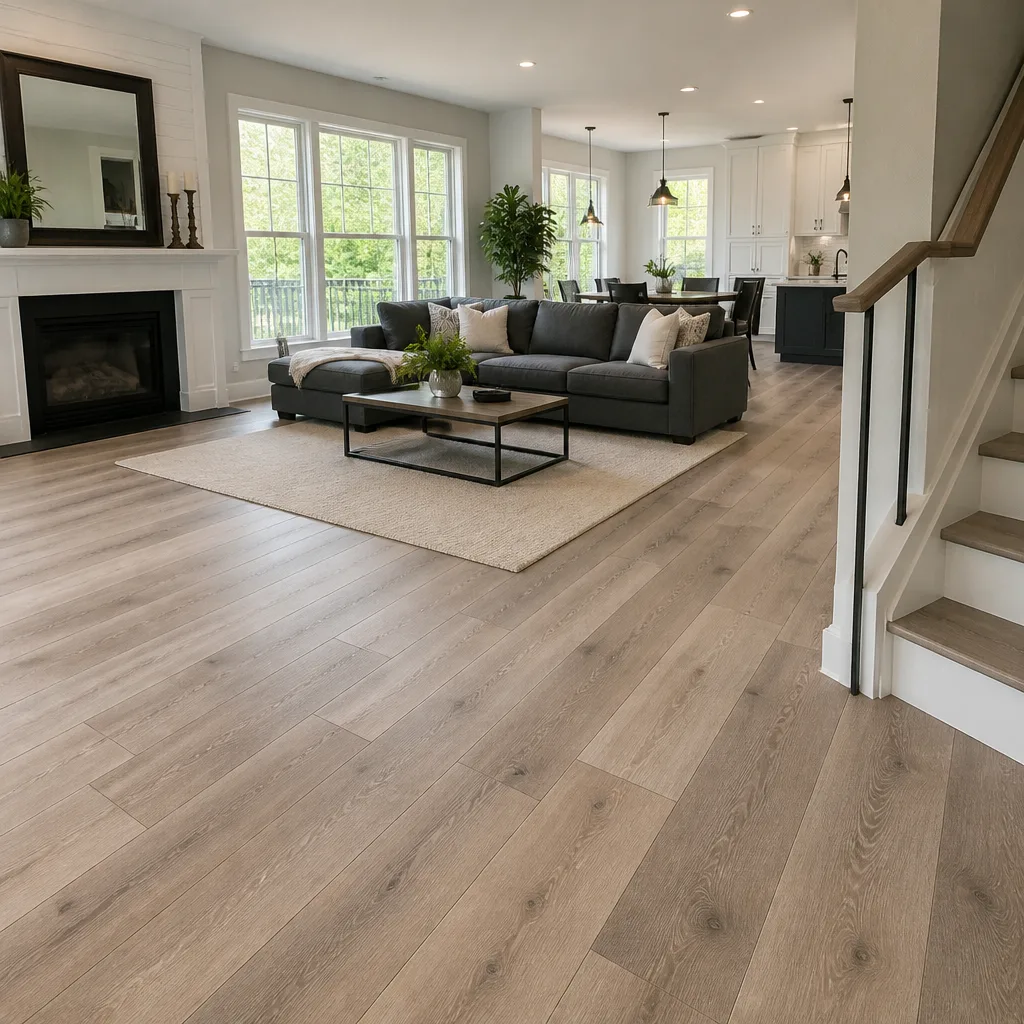 Pergo
Free in-home measure and written estimate: Shaw, Mohawk, COREtec and Pergo lines compared on your own rooms, with carpet, tile, vinyl plank, laminate and hardwood laid out side by side
Get your free estimateHardwood, Vinyl Plank, Laminate or Tile: How Paradise Homeowners Decide
Most flooring comparisons focus on what a floor looks like in a showroom photo. That’s the wrong starting point, and it’s why so many Paradise homeowners end up with the wrong floor. Hardwood is not a bad choice here; it’s a conditional one, and the condition almost nobody mentions is whether your HVAC system can hold indoor relative humidity steady through a desert year. Below, we walk through the real deciding factors in Paradise: humidity math, slab moisture, thermal mass, HOA rules, and resale timing. By the end you’ll know which floor fits your home, not just which one you like on a screen.
Quick Answer
The right floor for a Paradise home comes down to your subfloor, your indoor humidity control, and how long you plan to stay. Wood subfloors with good humidity control favor hardwood or engineered wood; concrete slabs in rental or pet-heavy homes usually favor waterproof luxury vinyl plank; tile wins for longevity and thermal mass in sun-baked rooms; laminate can work but is the category most vulnerable to slab moisture. The rest of this guide is about making that decision with your eyes open.
Styles & brands we work with
- Hardwood
- Engineered hardwood
- Luxury vinyl plank
- Laminate
- Porcelain tile
- Carpet
- Shaw
- Mohawk
- COREtec
- Pergo
Table of Contents
- The Humidity Math Nobody Runs Before Choosing Hardwood
- Why Laminate Struggles on Paradise Slabs (and LVP Doesn’t)
- Tile’s Underrated Advantages in a Desert Home
- The One Metric That Separates Good from Mediocre LVP
- A Decision Matrix Built for Paradise, Not Pinterest
- What Each Floor Choice Typically Costs in Paradise
- Common Mistakes to Avoid
- Frequently Asked Questions
The Humidity Math Nobody Runs Before Choosing Hardwood
Solid hardwood flooring is hygroscopic, meaning it absorbs and releases moisture from the air around it. In a stable climate with indoor relative humidity held roughly between 35% and 55%, wood behaves predictably. In Paradise, summer outdoor air is extremely dry and winter indoor heating dries it further, while monsoon-season spikes can push humidity up quickly. Those swings cause boards to expand and contract, which is why the deciding question for hardwood isn’t budget; it’s whether your HVAC and humidification setup can keep interior air steady through the year.
Here’s the honest math most flooring comparisons skip. Maintaining that humidity band in a Paradise home usually requires:
- A whole-home humidifier, or at minimum a capable portable unit for the rooms with wood.
- Consistent thermostat discipline during the dry months, which shows up as a higher energy bill.
- Seasonal checks on door gaps, gapping between boards, and any cupping or crowning.
When you add that maintenance cost across the life of the floor, the ROI calculation often flips toward Flooring Installation Paradise favorites like engineered hardwood or a premium luxury vinyl plank. Engineered wood handles modest humidity variation better than solid, because the cross-ply core resists movement, and modern SPC and WPC core LVP handles it better still. If you already run a tight humidity envelope and love real wood, hardwood is a great floor in Paradise. If you don’t, we’d rather tell you that now than after installation.
Why Laminate Struggles on Paradise Slabs (and LVP Doesn’t)
Most comparison articles treat laminate and luxury vinyl plank as interchangeable “hard surface that clicks together.” That’s wrong, and the difference matters more in Paradise than almost anywhere. Laminate has a wood-derived core. It’s stable against surface spills, but it responds to moisture vapor rising from beneath. Paradise homes are frequently built on slab-on-grade with no elevated crawl space, and in a desert climate vapor drive from the slab can be substantial after rains or irrigation cycles. When laminate absorbs that moisture, its core swells and the seams lock in the problem.
Luxury vinyl plank, by contrast, is built from PVC or composite polymer cores that don’t absorb water. Products like LifeProof are engineered to handle standing water on the surface and to tolerate normal slab moisture within manufacturers’ stated limits – limits your estimator should verify before installation, not after. The practical difference:
- Laminate: works well over wood subfloors with a proper vapor barrier, and over slabs with verified moisture testing and adequate underlayment.
- LVP: works over slabs with normal moisture vapor when installed to spec, and handles pet accidents, kitchen spills, and bathroom splashes without the core swelling.
- Engineered hardwood: similar moisture profile to laminate but with the look and feel of wood; still requires correct subfloor prep.
- Solid hardwood: never recommended directly over a slab in Paradise; it needs a wood subfloor, a sleep-and-nail system, or glue-down with a moisture barrier designed for the job.
We install waterproof LVP from brands like LifeProof and Mannington because the category has genuinely solved a real problem in desert slab construction. If you’re choosing between laminate and LVP for a Paradise home, LVP is the safer floor unless your estimator confirms your subfloor moisture is under control.
Tile’s Underrated Advantages in a Desert Home
Homeowners usually choose tile for the obvious reason: it handles water and looks great. In Paradise, though, tile brings three advantages that matter more than water resistance, and they’re the reasons we recommend it for particular rooms rather than as a whole-home default.
- Thermal mass. Ceramic and porcelain tile absorb and slowly release heat. In a sun-baked room with large windows on the west or south exposure, tile stays noticeably cooler underfoot than any resilient floor during peak summer hours. The effect is real and it changes how a room feels at 4pm in July.
- Allergen neutrality. Tile surfaces don’t trap dust, dander, or pollen in fibers. In a household where someone is sensitive to airborne irritants, tile in bedrooms and hallways reduces the reservoirs where those particles settle.
- Longevity on slab. Properly installed tile doesn’t care that it’s on concrete. It doesn’t need acclimation, doesn’t respond to humidity swings, and with modern uncoupling membranes tolerates normal slab movement. A tile floor installed correctly is the only category underfoot today that we’d expect to still be underfoot in the same room two decades from now.
We work with Daltile because ceramic and porcelain from a brand that specifies substrate prep can be installed well the first time. The trade-off to accept: tile is cold in winter (rarely an issue in Paradise), hard underfoot if you stand for hours, and unforgiving if something heavy drops on it. That’s why we rarely recommend full-home tile flooring installation in a house with a soft-surface lifestyle; we recommend tile where its strengths line up with the room.
The One Metric That Separates Good from Mediocre LVP
Most homeowners compare LVP on looks, wear layer, and price. Those matter, but in a hot climate there’s a fourth spec almost nobody checks: core temperature stability. Cheap LVP cores soften in high heat, which shows up as plank edge curling, gapping between boards, and expansion-related peaking in sun-exposed rooms. Paradise is a hot climate, and a west-facing room with large windows traps serious heat behind glass. If the plank can’t handle a warm interior without moving, the pretty floor you chose will look tired within a couple of seasons.
What to look for on the spec sheet:
- Core type. SPC (stone-polymer composite) cores are denser and more dimensionally stable under heat. WPC (wood-polymer composite) cores are softer underfoot and quieter but slightly more prone to expansion in extreme heat. Both work; know what you’re buying.
- Manufacturer’s temperature guidance. Reputable brands publish a maximum service temperature or a note about direct sunlight. Ask your estimator to point to it in writing.
- Acclimation instructions. Follow them exactly. The product instructions and your written estimate set the acclimation window for your specific plank, not a generic number.
- Window treatment plan. In Paradise rooms with unshaded west or south glass, plan on UV-blocking window film or interior shades during peak afternoon hours. The floor doesn’t fail; the sun simply overwhelms it.
The brands we install – COREtec, Mannington, Armstrong, Pergo, LifeProof, and Karndean among them – publish the details your estimator needs. Cheaper product often doesn’t, and that’s most of what “cheap LVP” means in practice.
A Decision Matrix Built for Paradise, Not Pinterest
The lifestyle categories on home improvement TV (“busy family,” “entertainer,” “minimalist”) don’t predict floor performance. Four variables do, and they’re all specific to your home in Paradise.
1. Subfloor type
- Concrete slab: LVP, tile, and engineered wood in that order of moisture tolerance. Solid hardwood and most laminate require verified moisture control and proper underlayment.
- Wood subfloor (raised foundation or second story): Hardwood and laminate become much more viable. Tile still needs deflection checks.
2. HOA restrictions
Many Paradise-area HOAs restrict hard surface flooring on upper floors of condos and townhomes for noise reasons. LVP with acoustic underlayment often satisfies the requirement; tile sometimes doesn’t. Confirm your HOA’s rule in writing before committing to a product. If you’re in a rental, check with your property manager first.
3. Sun exposure
Rooms with big unshaded west or south windows cook any floor. Hardwood can fade; LVP can peak at the seams; laminate can show edge curl. Tile barely notices. Plan window coverings as part of the room, not as an afterthought.
4. Resale timeline
- Selling within a few years: buyers in Paradise respond to tile and newer LVP. A refinished hardwood floor also photographs beautifully and costs far less than replacement (more on that below).
- Staying 10+ years: buy the floor you actually want. Long-term enjoyment outweighs resale math.
- Rental property: LVP in common areas and ceramic tile in bathrooms. Low risk, low maintenance, good durability.
What Each Floor Choice Typically Costs in Paradise
Prices vary with room size, subfloor condition, product tier, and prep work, but a typical installed-cost range by category looks like this. These are estimates; your written quote sets the final price.
| Floor type | Typical installed range per square foot | Best fit in Paradise |
|---|---|---|
| Luxury vinyl plank (LVP) | Entry to premium tier depending on brand and wear layer | Slab homes, rentals, pets, kitchens, baths, basements |
| Laminate | Similar to mid-tier LVP | Wood subfloors with humidity control |
| Engineered hardwood | Tiered by plank width, core, and finish | Homeowners who want wood look with better humidity tolerance |
| Solid hardwood (installed) | Highest of the wood categories | Wood subfloors with steady indoor humidity |
| Hardwood refinishing | Far less than replacement; quoted per square foot | Existing wood floors with life left in the thickness |
| Ceramic and porcelain tile | Tiered by porcelain vs. ceramic and format size | Kitchens, baths, entryways, laundry, sun-baked rooms |
| Carpet installation | Tiered by fiber and pad | Bedrooms, stairs, home theaters |
Every one of these is a scheduled job: a free in-home measure and estimate first, a written price second, an install day booked third. The estimate is free and there’s no charge to look at your subfloor and tell you honestly which category makes sense. For a sense of how carpet fits into a whole-home plan, see carpet installation, and for the wood side of the equation, we walk through refinishing below.
Restore Before You Replace: The Refinishing Option Most Shops Skip
If your Paradise home already has hardwood under the carpet or showing through worn finish, the first honest question isn’t “what floor should we choose?” It’s “can we refinish what you have?” Most flooring companies focus on new installation only and will quote you a whole new floor without checking whether the existing wood still has sandable thickness. That’s a lot of money spent for a floor you already owned.
Refinishing involves checking the wood thickness, its condition, and any cupping or staining at the estimate visit. If the floor can be sanded back to bare wood, we can re-stain and finish it to look new, and typically at a fraction of the price of new hardwood. If it can’t (thin engineered planks, damage below the sandable layer, water staining that won’t sand out), we tell you that and quote replacement honestly. Stain matching to a sample isn’t guaranteed – wood takes stain differently depending on age, species, and previous finishes – but we can usually get close enough that nobody but you will know.
Restoring what you have first is the practical move for a Paradise homeowner with an older wood floor, a home being prepped for sale, or anyone who wants the look of hardwood without the humidity conditions of a new install. We like it because it’s the right answer when it’s the right answer, not a sales tactic.
See the difference
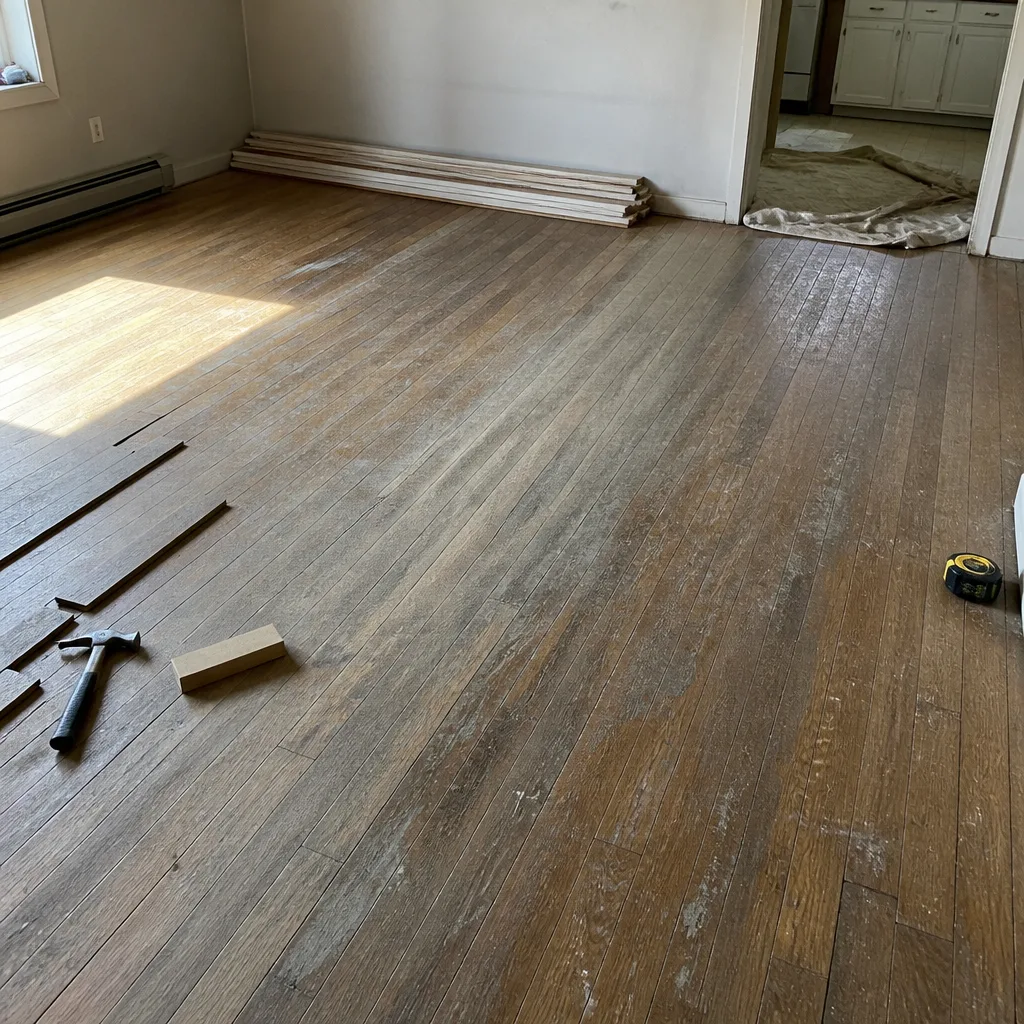 Before
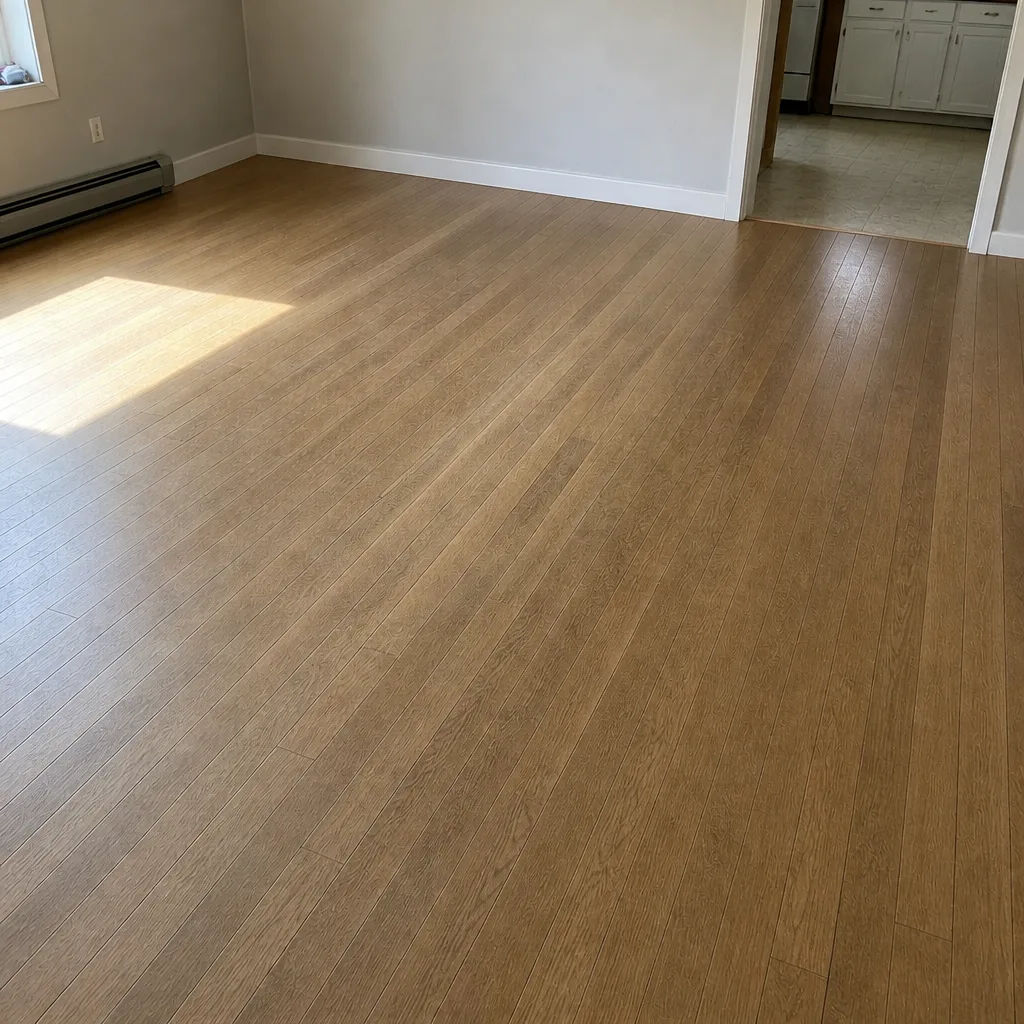 After
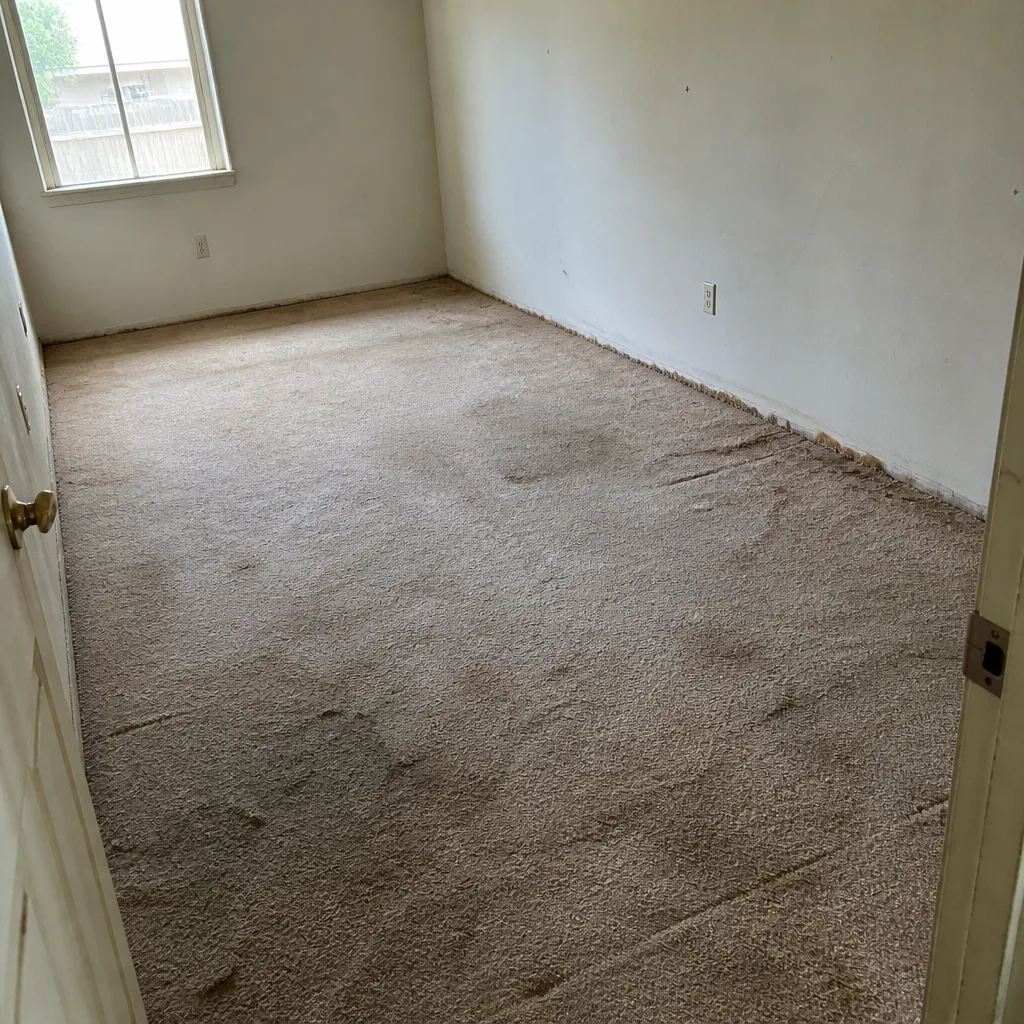 Before
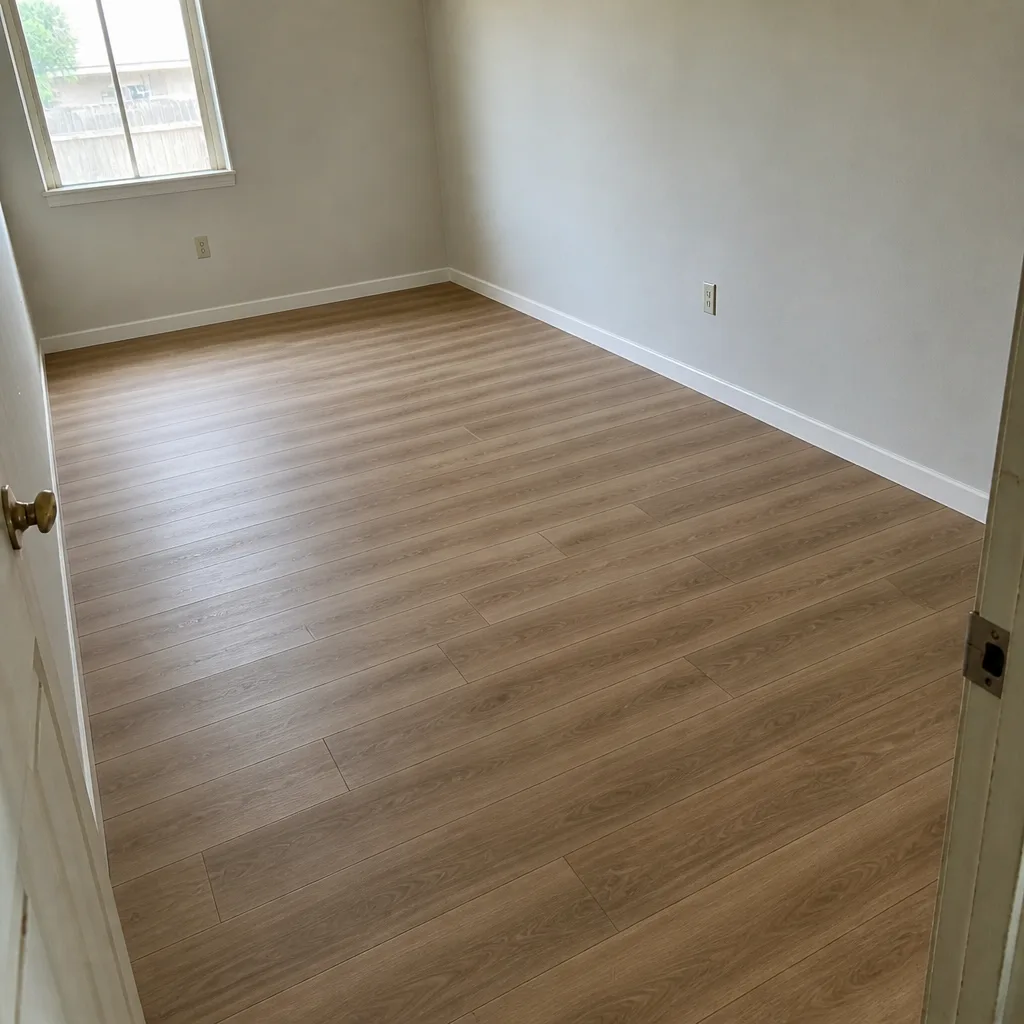 After
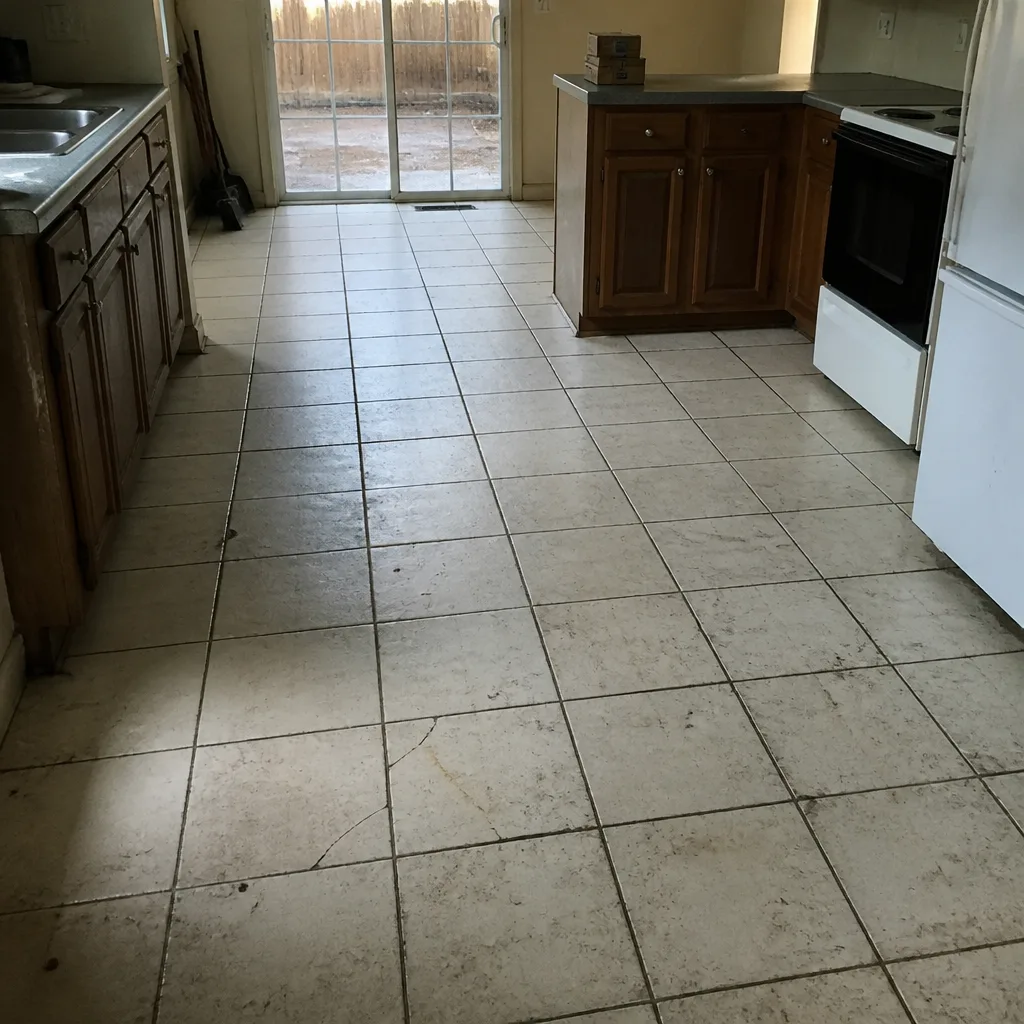 Before
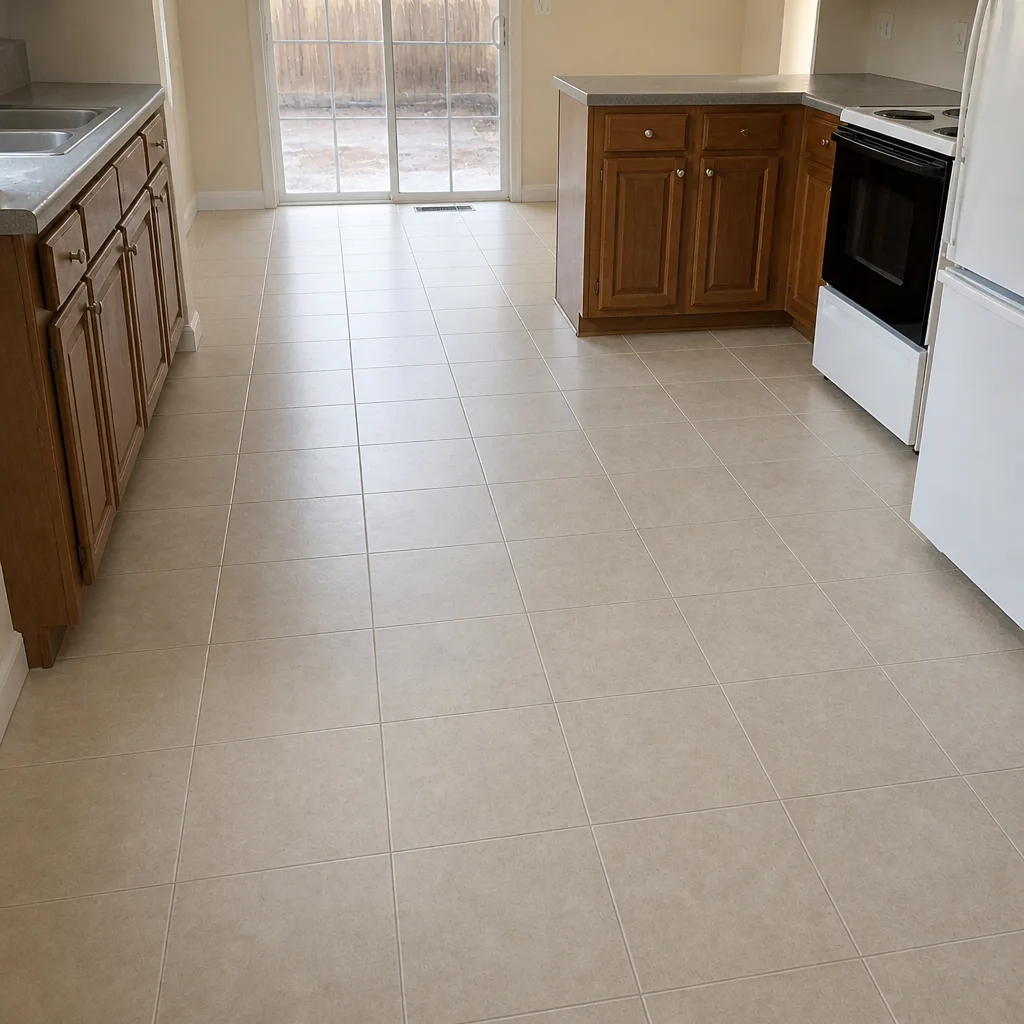 After
How the Whole-Home Project Gets Planned
One of the quiet advantages of working with a full-service flooring company is not hiring a different contractor for each room. A typical whole-home plan, from the first call:
- Free in-home measure and estimate. We walk the home, look at every subfloor, check moisture where it matters, and listen to how the rooms actually get used.
- Product walkthrough. Nine brands, from Shaw and Mohawk to COREtec, Pergo, LifeProof, Mannington, Armstrong, Daltile, and Karndean, means we can present real options in each category rather than whatever a big-box store happens to stock this month.
- Written quote. Line-itemed by room and product, with subfloor prep spelled out.
- Booked install schedule. Set at the estimate, coordinated across rooms so you’re not living on concrete in one room while another is being installed.
- Walkthrough on completion. Punch list, care instructions, and the product documentation you’ll want on file.
Three disciplines under one roof mean carpet, tile, and hardwood refinishing land on the same schedule. You don’t chase down two or three contractors in Paradise and hope they cooperate.
Common Mistakes to Avoid
- Skipping moisture testing on a slab. Every slab-on-grade home in Paradise should be tested before hard surface installation. Laminate and engineered wood fail quietly at the seams if this step is skipped, and the failure shows up months later.
- Buying LVP on looks alone. Core temperature stability is the spec that decides how your floor performs in a hot room. If the manufacturer doesn’t publish it, that’s a warning sign.
- Assuming the HOA will allow anything. Many Paradise-area HOAs restrict hard surface flooring on upper floors of condos and townhomes. Get the rule in writing before you commit to a product.
- Ignoring sun exposure in west and south rooms. UV-blocking window film and interior shades are part of the flooring decision, not a separate project. Plan them alongside the install.
- Replacing wood without checking refinishing first. If the floor still has sandable thickness, refinishing gets you a near-new floor for a fraction of replacement cost.
- Hiring the installer and the supplier separately. Split responsibility is where finger-pointing starts if a product underperforms. Brands like Karndean and Daltile explicitly recommend trained installers, and we’re set up to work with both, so the product and the install stay one conversation.
- Buying the cheapest laminate to save money. In a Paradise slab home, cheap laminate is one of the most expensive floors you can buy – not because of the sticker price, but because of what it costs to replace in a few years when the core has swollen.
When to Call a Professional
Some flooring decisions are honestly DIY-able: swapping a couple of floating planks, re-grouting a small area, or touching up a scuffed baseboard. Most decisions on a whole-home or full-room floor are not, and here’s where a professional is genuinely worth the call: any solid hardwood installation (it requires nail-down or glue-down with a proper moisture barrier and acclimation plan), any tile install over a slab (subfloor prep and uncoupling membranes decide whether the tile cracks in three years), any LVP installation in a room with large unshaded glass, and any refinishing job where you’re not sure how much sandable thickness you have left. Add moisture testing on any slab-on-grade floor. Flooring Installation Paradise offers free estimates in Paradise, and our technicians have up to 14 years of experience with subfloor conditions in this climate. Call (888) 343-1639 to schedule yours. The estimate is free, the written quote sets the final price, and there’s no obligation to book the job.
Frequently Asked Questions
No, but it’s a conditional choice. Solid hardwood in a Paradise home stays stable and beautiful if you can hold indoor relative humidity roughly between 35% and 55% year-round. That usually means a whole-home humidifier and thermostat discipline through the dry months. If you don’t want to manage indoor humidity, engineered hardwood or a premium LVP gives you far more margin. Our technicians will tell you honestly which camp your home is in at the free estimate. Call (888) 343-1639 to schedule one.
Laminate has a wood-derived core that absorbs moisture vapor rising from a concrete slab; LVP has a polymer core that doesn’t. In Paradise, where many homes sit on slab-on-grade, that difference decides whether a floor stays flat at the seams or swells over a few seasons. Laminate works fine over a wood subfloor with proper vapor control. Over a slab, LVP is the safer floor unless moisture testing confirms the slab is dry enough for laminate. We install both; the choice depends on your subfloor, which we look at during the free estimate.
LVP installed cost varies widely by brand, wear layer, room size, and how much subfloor prep the job needs, so we don’t publish a single number that would mislead you. What you can count on is that our estimate is free, the quote is written and line-itemed, and the number on that quote is the number you pay for the scope listed. Call (888) 343-1639 to schedule a free measure at your home in Paradise.
Often yes, if the wood has enough sandable thickness and no damage below the surface. Refinishing costs a fraction of new hardwood installation and gets you a floor that looks new without the acclimation and humidity exposure of a fresh install. Whether your particular floor qualifies depends on its thickness and condition, which we check at the free estimate visit. We won’t quote refinishing if the floor can’t take it, and we won’t push replacement if refinishing is the right call. Call (888) 343-1639 to book a look.
Tile brings thermal mass, allergen neutrality, and slab-friendly longevity. In a Paradise room with strong west or south sun exposure, tile stays cooler underfoot than resilient floors because it absorbs heat slowly. Its surface doesn’t trap dust or dander the way carpet or fabric does, and when installed correctly on a slab it’s the only floor category we expect to still be underfoot in the same room decades from now. That’s why we recommend tile where its strengths line up with the room, not as a whole-home default.
Yes, the in-home measure and estimate are free. We walk your home, look at every subfloor, check moisture where it matters, and then put a written quote in your hands. You’re under no obligation to book the job, and the written quote is what sets the final price. Call (888) 343-1639 to schedule your free estimate. We answer 24/7. Fast dispatch from 7am to 7pm, Sunday through Friday.
The Bottom Line
The hardwood-versus-LVP-versus-laminate-versus-tile question in Paradise has an answer, but it’s your answer, not a generic one. Hardwood is superb if you’ll manage indoor humidity. LVP is the safest resilient floor over a slab and the best fit for pets, rentals, and kitchens. Laminate works when the subfloor is right and fails when it isn’t. Tile wins on longevity, thermal mass, and sun-baked rooms. Check the four variables that actually decide it in your home: subfloor, HOA, sun exposure, and resale timeline. Then choose the product from a brand roster deep enough to give you real options in each category. Nine brands, one crew, and a free estimate that tells you honestly which floor fits your home in Paradise.
Call (888) 343-1639 to schedule your free estimate. We answer 24/7. Fast dispatch from 7am to 7pm, Sunday through Friday. Flooring Installation Paradise installs carpet, tile, and hardwood, and refinishes existing hardwood floors to keep what you already own working harder for you.
Written by the team at Flooring Installation Paradise.