
Last updated November 18, 2026
 Hardwood
 Engineered hardwood
 Luxury vinyl plank
 Laminate
 Porcelain tile
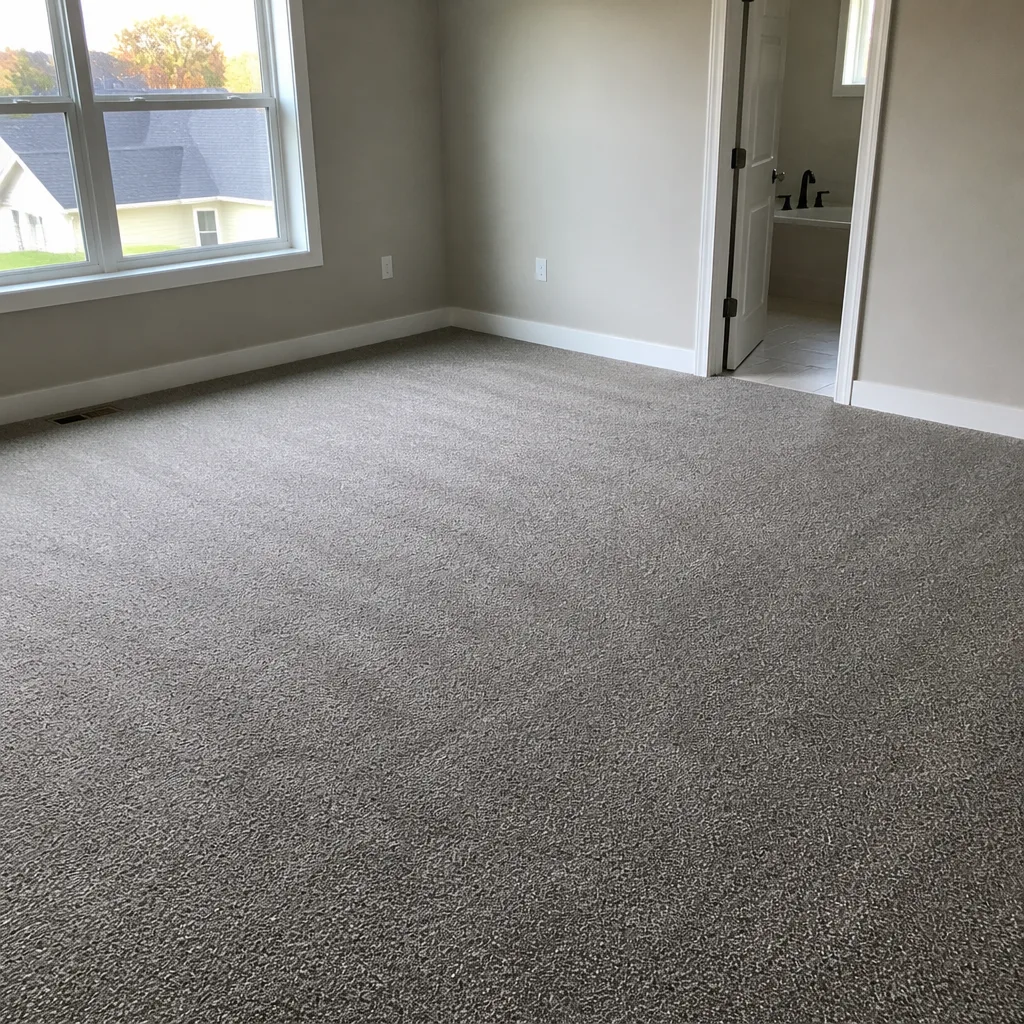 Carpet
 Shaw
 Mohawk
 COREtec
 Pergo
Free in-home measure and written estimate: Shaw, Mohawk, COREtec and Pergo lines compared on your own rooms, with carpet, tile, vinyl plank, laminate and hardwood laid out side by side
Get your free estimateFlooring Installation Questions to Ask Before You Sign
Most flooring complaints we hear about in Paradise don’t start with bad material. The carpet, tile or plank was usually fine. What went wrong was a subfloor prep clause nobody read closely, a warranty that landed on the installer instead of the manufacturer, or a change order that got agreed to over the phone and never put in writing. The signing table is the last point where you still have leverage, and it’s the moment most homeowners ask the least. This guide walks through the specific questions to ask before you sign – the contract clauses, the warranty mechanics, and the Paradise-specific install conditions that actually decide whether you’re protected. We’re Flooring Installation Paradise, and we’d rather you ask all of this up front.
Quick Answer
Before signing a flooring contract in Paradise, get five things in writing: the exact scope of subfloor prep (including slab moisture handling), the change-order process and who authorizes it, whether the warranty is assigned to you or stays with the installer, a project timeline with delay provisions, and who hauls away the old floor and debris. Then ask who files a warranty claim if something fails and what installer qualifications were verified. Verbal answers don’t count. The signed document is the only thing that protects you after the crew leaves.
Styles & brands we work with
- Hardwood
- Engineered hardwood
- Luxury vinyl plank
- Laminate
- Porcelain tile
- Carpet
- Shaw
- Mohawk
- COREtec
- Pergo
Table of Contents
- The five contract clauses to read word-for-word
- Warranty questions almost nobody asks
- How to ask about installer qualifications without offending anyone
- Questions specific to Paradise installation conditions
- What to confirm before the crew leaves
- Red flags in a flooring contract
- Common mistakes to avoid
- Frequently asked questions
The Five Contract Clauses to Read Word-for-Word
These five clauses decide almost every dispute. Read each one aloud at the table and make sure you understand what it says. If a clause is vague, ask for it to be rewritten before you sign, not after.
- Subfloor prep scope. This should state exactly what prep is included: leveling compound, patching cracks, removing old adhesive, grinding high spots, replacing damaged subfloor panels. Watch for language like “prep as needed” – that phrase lets the installer decide mid-job whether to charge you more. Concrete slabs in Paradise are common in residential construction, and slab prep is usually where the real cost sits. Get the scope itemized.
- Change order authorization. The contract should say who can approve a change, how it has to be authorized (in writing, with a signed change order), and what happens to the price. No verbal approvals. No “we’ll figure it out at the end.” If the crew discovers rot or a soft subfloor under the old flooring, the change-order process is what keeps the price from drifting.
- Warranty assignment. You need to know whether the warranty you’re relying on is the manufacturer’s or the installer’s. Manufacturer warranties usually cover the product itself and often require professional installation to stay valid. Installer workmanship warranties cover the installation. These are two different documents, and you should know which one you’re holding.
- Project timeline with delay provisions. The contract should give a start window and a completion expectation, plus what happens if the job runs long. Material delays, slab moisture issues that need drying time, and unexpected subfloor damage are the usual culprits. Ask what the remedy is if the schedule slips.
- Cleanup and haul-away. Who removes the old flooring, who hauls the debris, and who pays for the dumpster if one is needed. This gets overlooked constantly. Leftover carpet, tile thinset and old padding are heavy, and disposal isn’t free.
If any of these five is missing, ask for it to be added as an addendum and initialed. A written estimate that spells out the scope is the standard we hold ourselves to, and it’s the standard you should hold anyone to.
Warranty Questions Almost Nobody Asks
The warranty question most homeowners ask is “how long is it?” The better question is “who files the claim?” Those are very different things, and the difference matters when something goes wrong.
Who files the claim?
Ask directly: if the floor fails in three years, do I call the manufacturer, or do I call you? Some installers handle warranty claims on your behalf; others hand you a phone number and a folder. Neither is automatically wrong, but you need to know which one you’re getting before you sign. Get the answer in writing.
What voids the manufacturer warranty during installation?
Manufacturer warranties on brands like Shaw, Mohawk and COREtec typically require the floor to be installed to the manufacturer’s installation instructions. Common things that can void coverage include installing over a subfloor that wasn’t prepped to spec, missing expansion gaps, and skipping required moisture testing on concrete. Ask the installer to confirm they’ll follow the manufacturer’s installation instructions and that they’ve accounted for the conditions those instructions require. You don’t need to memorize the technical language – you just need a written commitment that the install will follow the manufacturer’s instructions.
Does the warranty transfer if I sell the house?
Many manufacturer warranties transfer to a new owner, sometimes within a limited window after sale, sometimes with conditions. Ask whether the warranty on your floor is transferable and what the process is. For rental property owners, this matters more than the headline warranty length.
What’s covered and what isn’t?
Ask specifically whether wear, water damage, pet damage and installation defects are covered, and by which document. Water-resistant flooring is not the same as waterproof, and no floor handles standing water. Know what you’re actually covered for. If you want to talk through how this applies to carpet installation, we’re happy to walk through it with you.
How to Ask About Installer Qualifications Without Offending Anyone
You can ask every one of these questions without apology. A professional in Paradise should expect them and should answer without a pause. The framing that keeps it friendly: “We’re asking everyone this, just so we understand how the job runs.”
- License verification. Ask for the contractor’s state license number and where you can verify it. Asking for verification is not an accusation – it’s basic diligence. If you get a defensive answer, that’s information.
- Insurance certificates. Ask for a current certificate of insurance showing general liability and workers’ compensation coverage, and check that the certificate names the business you’re contracting with. If a worker is injured on your property, you want to know the coverage question is already settled.
- Whether subcontractors will be used. Ask whether the install will be done by the company’s own installers or by subcontractors. If subs are used, ask how they’re vetted, who they’re licensed through, and who is accountable for their work. There’s nothing wrong with an honest answer either way. The problem is not knowing.
- Experience with the specific product. Ask how many installs the company has done with the specific product you chose. Premium lines like Karndean and COREtec call for installer knowledge that goes beyond generic plank handling. Ask whether the installers have been trained on the product you’re buying.
- Who to call if something goes wrong. Get a name, a role and a phone number for the person who handles problems after the job. You want to know before the crew leaves, not after.
Asking these questions up front is normal and expected of a professional operation. Over the years, our technicians have learned that the homeowners who ask the most are usually the happiest at the end.
Questions Specific to Paradise Installation Conditions
Paradise sits in the Mojave Desert, and that shapes flooring installation in ways that a contractor working in a milder climate might not think about. The heat, the dry air and the prevalence of concrete slab foundations all change how the job should be approached. Ask these questions before signing.
How will you handle slab moisture?
Concrete slabs hold moisture, and in the desert, the moisture picture can look different from what you’d expect. Moisture testing on a concrete slab should be part of the estimate visit, not something discovered on install day. Ask what test will be used, what the results will mean, and what happens if the slab reads high. The answer might be a moisture barrier, a different adhesive, or a wait. You should know which before you sign.
What expansion gap spec do you follow?
Flooring expands and contracts with temperature and humidity, and in a high-heat environment, the gaps around the room perimeter and at doorways matter. Ask the installer what gap spec they follow and where they’ll leave room for movement. For floating floors in particular, the perimeter gap matters. You can’t see it once the baseboards are back, but you can see the results of skipping it – buckling, cupping and seams that separate. Get the spec in writing.
Have you installed this product on a slab before?
Ask directly. Slab installs have specific requirements, and product-specific experience matters. If you’ve chosen a luxury vinyl plank like COREtec, or a ceramic or porcelain tile like Daltile, ask whether the installer has done that product on a slab in Paradise or similar conditions. A good answer is specific. A vague answer is worth pushing on.
How does the heat affect the install?
Ask whether the material needs to be acclimated before install and how that process works in a desert climate. Also ask what time of day the crew expects to install, and whether temperature in the home will be controlled during the work. There’s no single answer that fits every product, but a contractor who has done work in Paradise should have a clear one.
What to Confirm Before the Crew Leaves
The last hour of the job is the most important hour for the homeowner. Before the crew packs up, confirm these six things – in person, not from memory later.
- Cure time before furniture goes back. Ask how long before you can move furniture back in. The answer depends on the material and the adhesive. For tile, the thinset or adhesive needs to set. For hardwood finishes, cure time can be longer. Get the specific number from the installer, not a general guess.
- Grout sealing timeline. If you’re having tile installed, ask whether sealing is included, when it can happen, and how long to wait before the floor gets wet. Sealers need to cure before the floor is used normally.
- Walk-through and punch list. Do a slow walk-through together and look for anything that stands out: a seam that doesn’t sit flush, a tile corner that’s off, a plank that shows a gap. Get anything you flag written onto a punch list with a repair date.
- What normal settling looks like. Ask the installer what minor settling or movement is normal and what to just watch, versus what should prompt a call back. Seams that shift in the first few weeks after a floating install are common and usually resolve with time. Buckling, cupping or a hollow-sounding tile are not normal and should be called about.
- Care and cleaning instructions. Get the manufacturer’s care and maintenance recommendations in writing. Using the wrong cleaner on a vinyl plank or a finished wood floor can dull it or damage the surface. It’s worth holding onto the paperwork.
- Warranty paperwork and contact. The warranty documents should be in your hand before the crew leaves, and you should know who to call if there’s a problem – the manufacturer, the installer, or both.
If this feels like a lot of questions, that’s the point. A written estimate and a clear punch list are the two documents that protect you most.
Red Flags in a Flooring Contract
A good contract is specific and boring. Red flags tend to be the opposite: vague language where there should be numbers, or firm promises that sound too easy.
- “Prep as needed” without a scope. If the subfloor prep section doesn’t say what’s included, ask for it to be itemized.
- No change-order process. If a change can be agreed to verbally, it can be billed however the installer likes.
- Warranty described as “lifetime” with no document. Ask which manufacturer’s warranty that refers to and see the actual document.
- No completion date or delay language. A start date with no end date isn’t a schedule.
- No state license number and no insurance certificate on request. Either of these is a hard stop.
- Promises of same-day installation. Flooring is a scheduled job: a measure and estimate first, then a written price, then a booked install day. Any promise that skips those steps is a reason to slow down.
- Pressure to sign before you’ve seen the written estimate. Estimates are free, and you should take yours home to read.
Common Mistakes to Avoid
- Asking about price and style but not scope. Price is the least useful number if you don’t know what’s inside it. Ask what the estimate includes: material, tear-out, subfloor prep, trim, cleanup and haul-away.
- Assuming the installer’s warranty covers the product. It doesn’t. Installer workmanship and manufacturer warranty are two separate documents. Ask for both, in writing, before signing.
- Not asking about slab moisture in a Paradise home. Desert heat makes it easy to assume a slab is dry. Testing the slab as part of the estimate is how you find out. Ask what test will be used.
- Not asking who’s on the crew. Whether your install is done by the company’s own team or by subcontractors is a legitimate question. Ask it, and ask how those workers are vetted.
- Skipping the expansion gap question. A floor that looks perfect on install day can buckle six months later if the perimeter gap was too tight. In a high-heat climate, ask the specific spec.
- Missing the cleanup and haul-away clause. Old carpet, padding and tile debris are heavy. If nobody has stated who hauls it, make sure it’s in the contract before you sign.
- Not keeping the manufacturer’s care instructions. The wrong cleaner or too much water can affect whether later warranty claims are honored. Keep the paperwork and the care recommendations.
Every one of these mistakes costs more to fix after signing than to catch before. If you’re planning a whole-home project – carpet in the bedrooms, tile in the bathroom and kitchen, refinishing on the existing wood – ask the company whether they can handle all three categories under one contract. You shouldn’t have to hire a flooring specialist for each surface. For more detail on the hardwood side, see our page on Flooring Installation Paradise.
See the difference
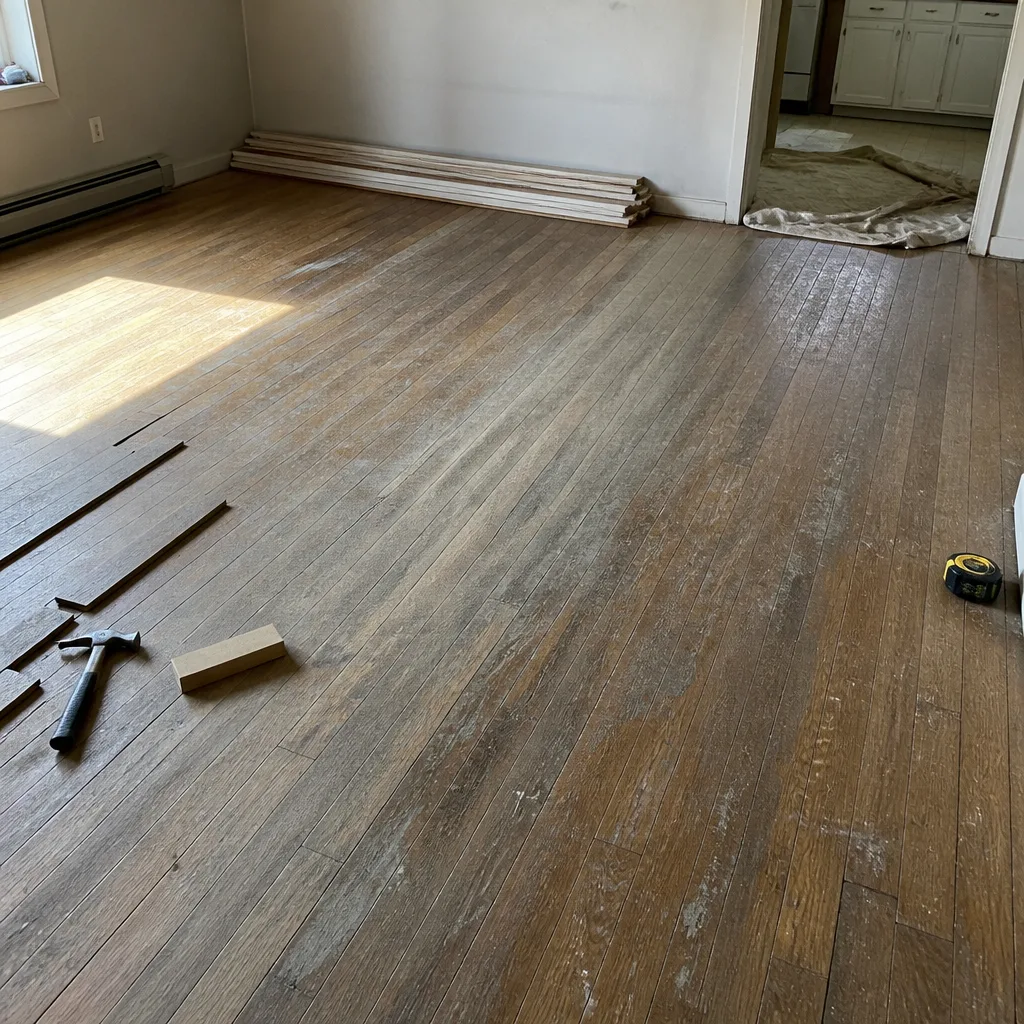 Before
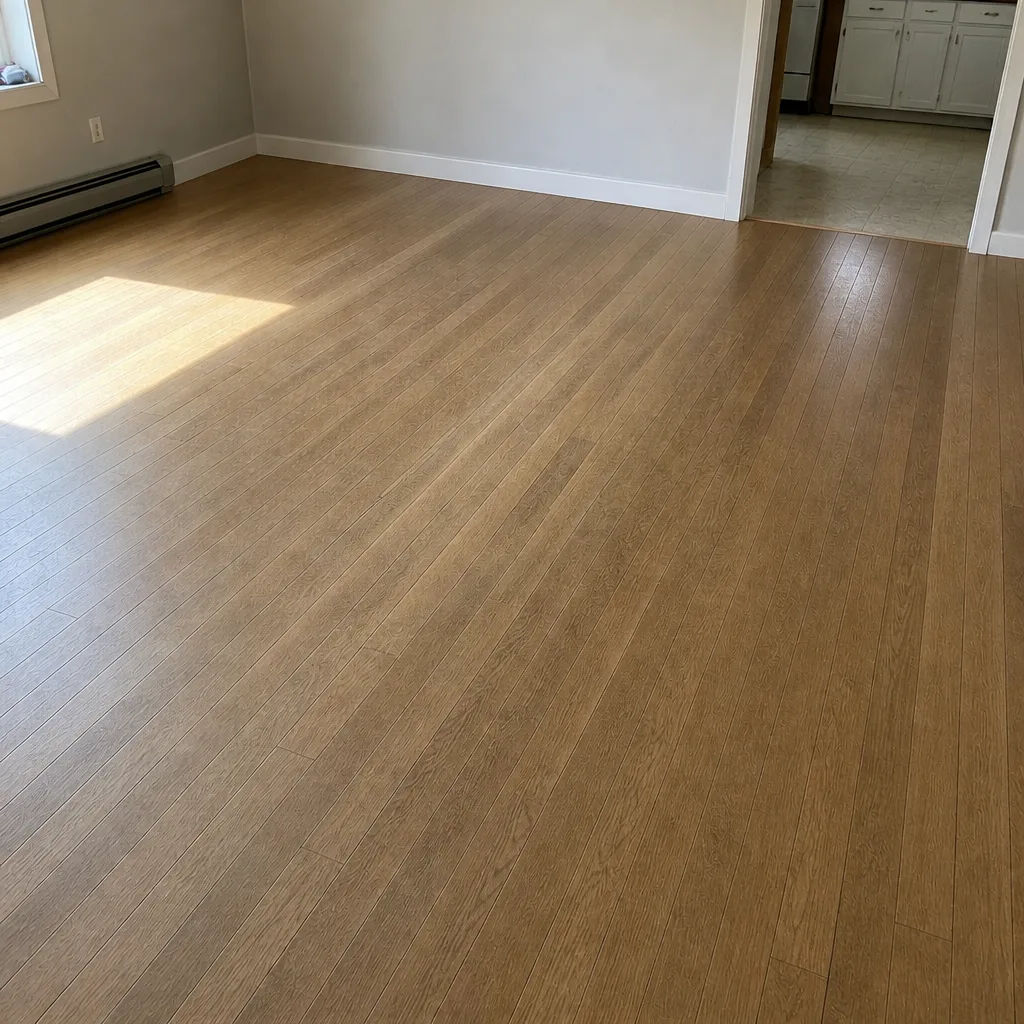 After
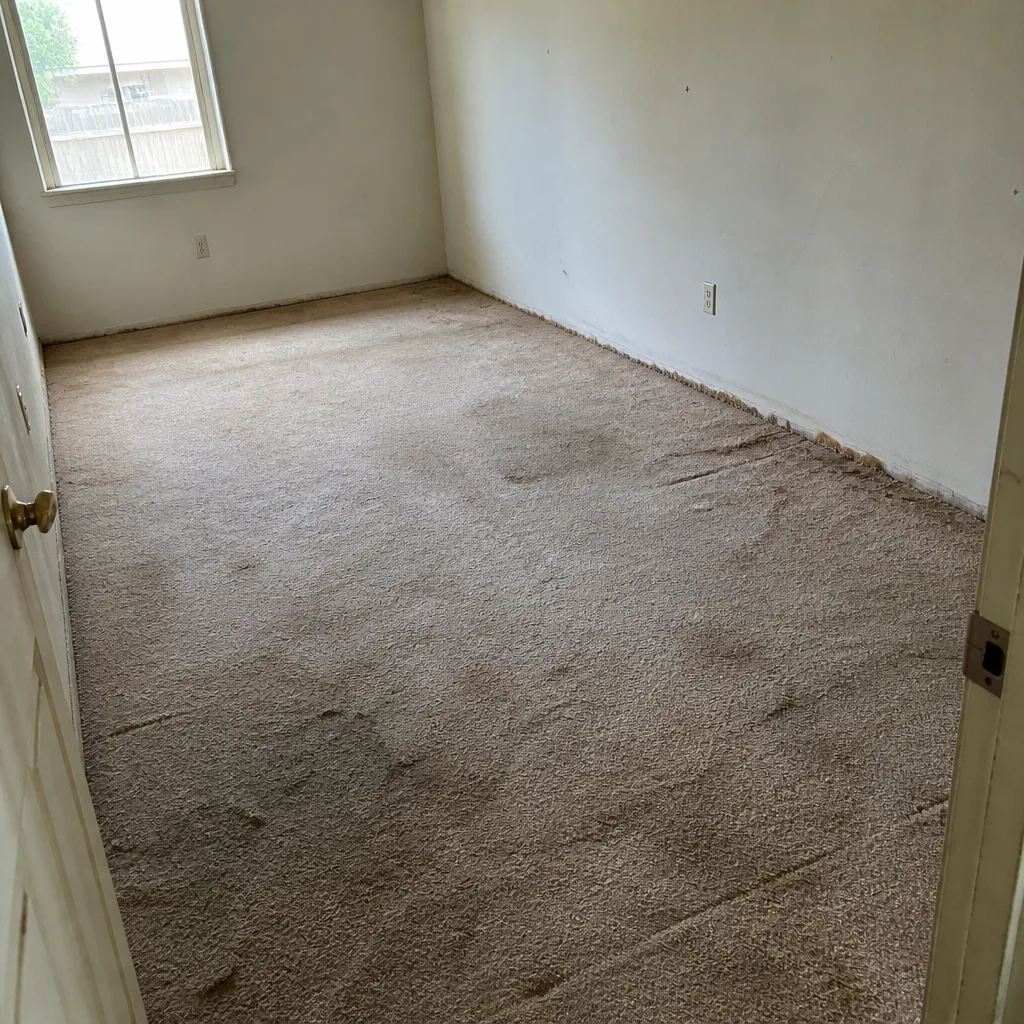 Before
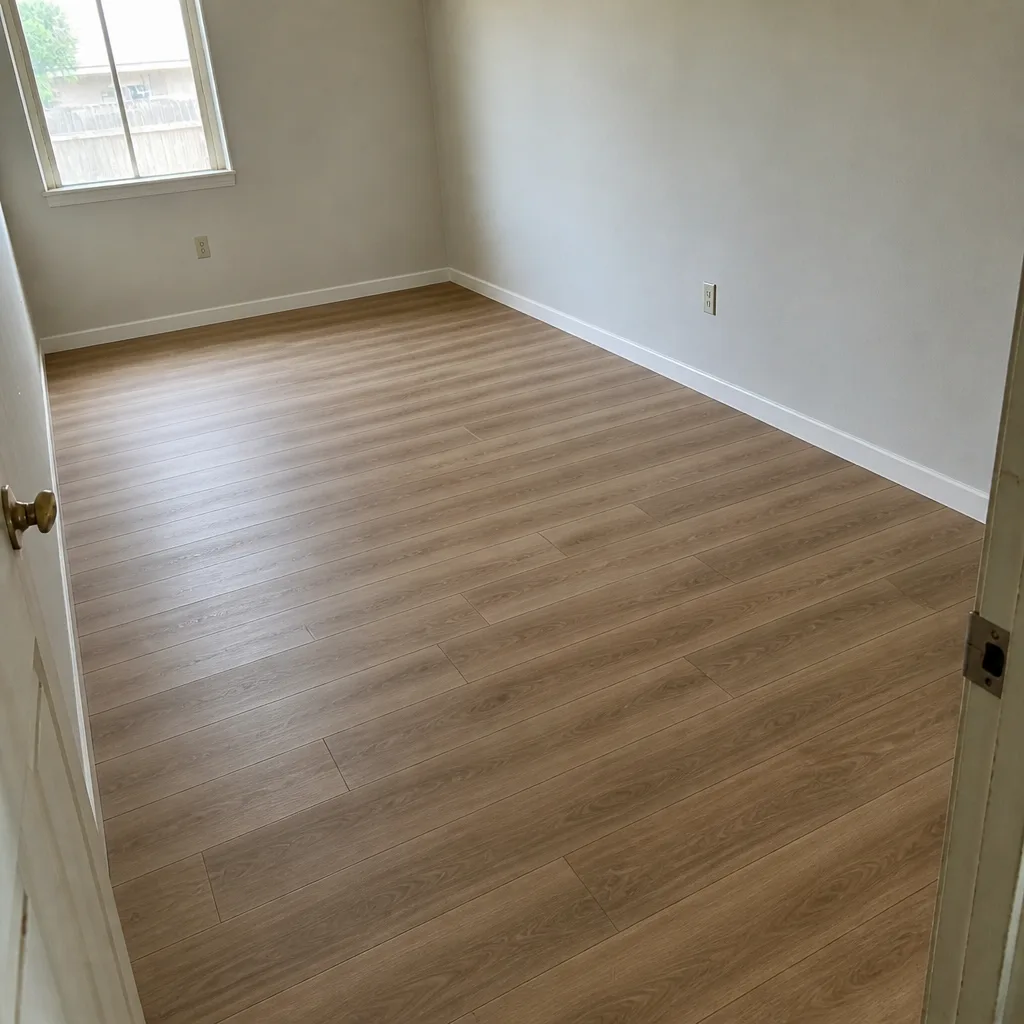 After
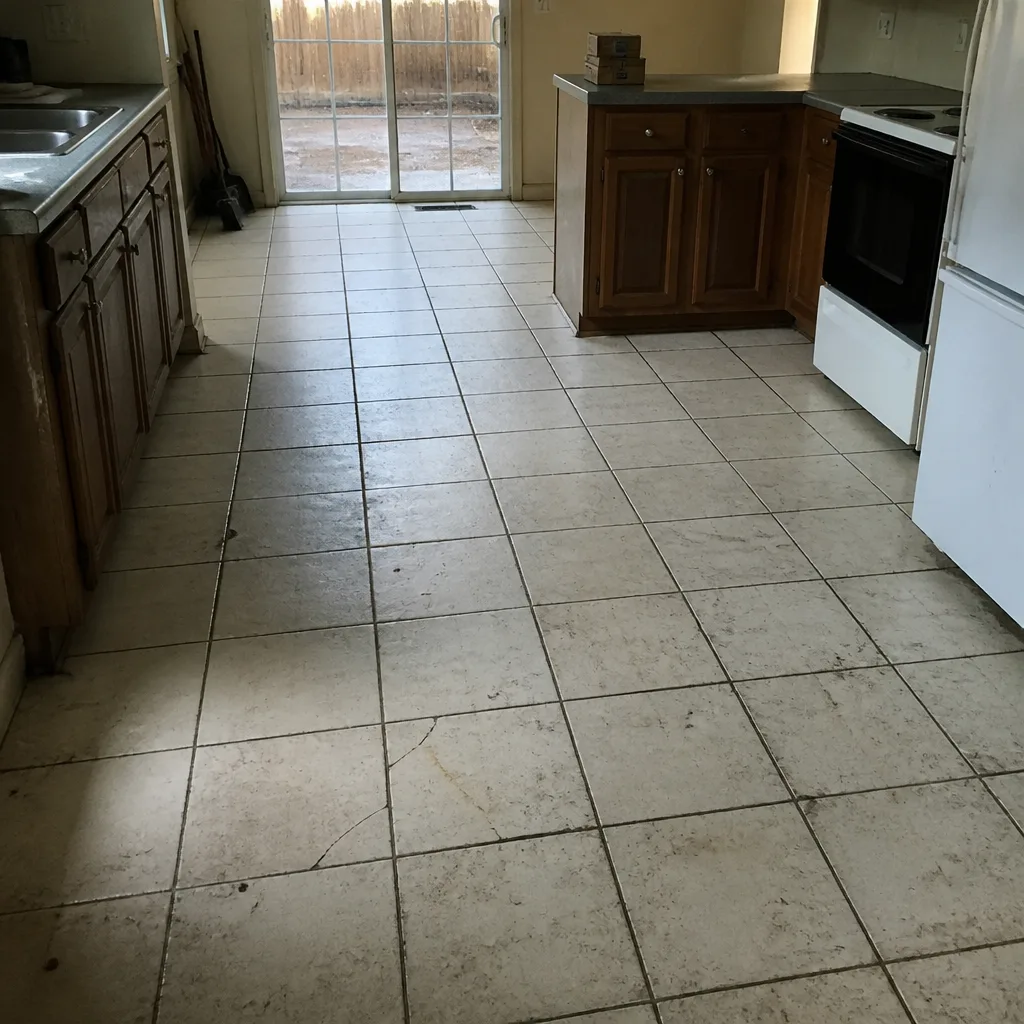 Before
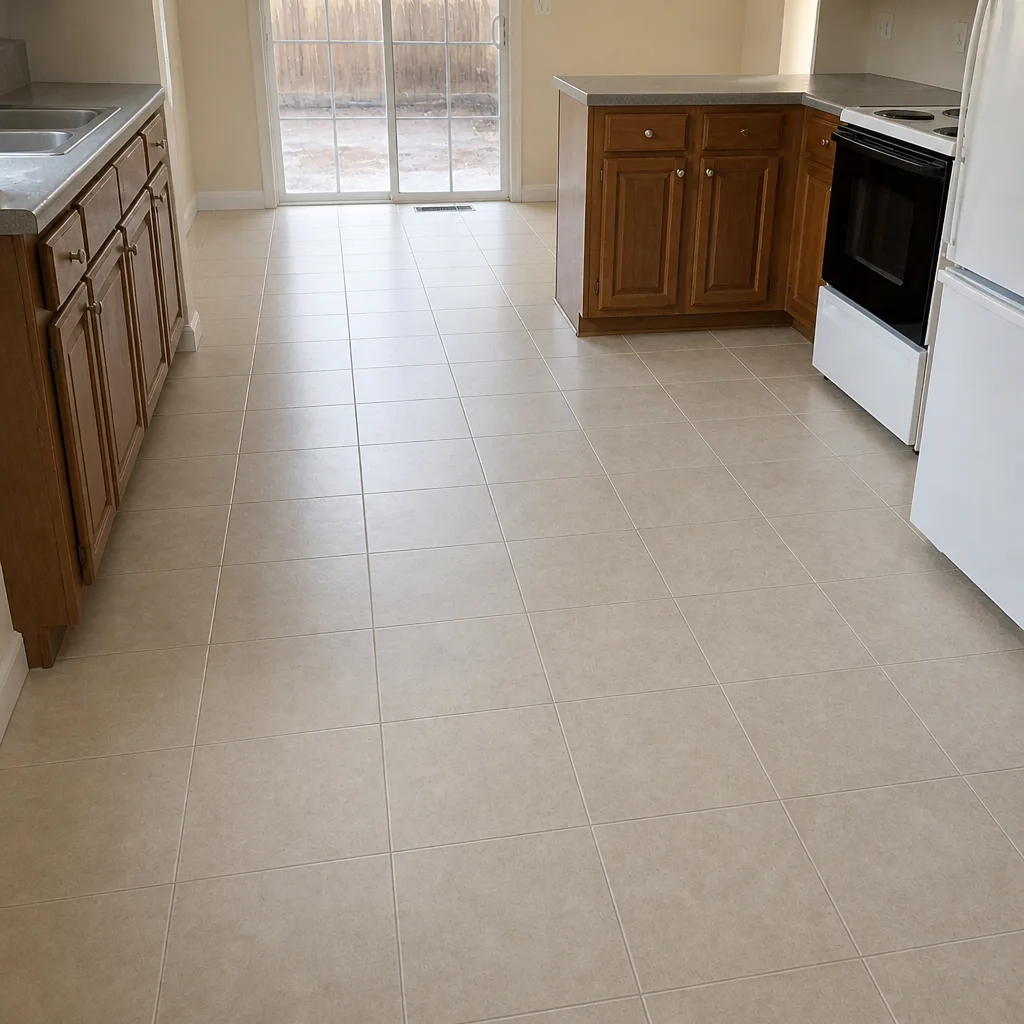 After
When to Call a Professional
Some flooring jobs are manageable for a skilled DIYer. Most aren’t, especially in Paradise. Call a professional if any of the following apply: your home sits on a concrete slab and you don’t know its moisture history; you’re installing tile over an uneven subfloor; you have existing hardwood that you’re considering refinishing rather than replacing; your project spans more than one room or more than one material; or you’re upgrading a rental property and want the install to hold up to tenants. Subfloor prep is the part most people underestimate, and it’s the part that decides how the floor looks in five years. Flooring Installation Paradise offers free estimates in Paradise – we do a measure and a slab check before any price is written. Call (888) 343-1639. We answer 24/7. Fast dispatch from 7am to 7pm, Sunday through Friday.
Frequently Asked Questions
Ask five things: what’s the exact scope of subfloor prep, what’s the change-order process, which warranty document covers what (manufacturer vs. installer), what’s the project timeline with delay provisions, and who handles cleanup and haul-away. Then ask who files a warranty claim if something fails, and request the state license number and insurance certificate. Get every answer in writing before signing.
Yes. A written contract protects both you and the installer, and it’s the only document that matters if something goes wrong. It should spell out the scope, price, schedule, change-order process, warranty assignment and cleanup responsibility. A verbal agreement and a text message won’t hold up the way a signed contract will.
It depends on the contract, which is why you have to ask. Sometimes the manufacturer handles it directly and you call their customer service line; sometimes the installer files the claim on your behalf. Ask which it is before signing, and get the contact information for whoever is responsible in writing.
It means the installer reserves the right to charge you for subfloor work beyond what’s listed – grinding, leveling, patching or replacing damaged subfloor panels. It’s a common clause, but it lacks a price ceiling. Ask for an itemized prep scope or a written cap so you know what you’re paying before the job starts.
It should be tested as part of the estimate, not discovered on install day. The installer should say what test they use, what the results mean, and what happens if readings are high – a moisture barrier, a different adhesive, or waiting. Get that answer in writing before signing, and see our page on Paradise for more on local installation conditions.
Do a walk-through together and look for seams that aren’t flush, gaps around the perimeter, hollow-sounding tiles and anything that looks off. Get a punch list in writing. Then confirm cure time before furniture goes back, the grout sealing schedule if applicable, the care and maintenance instructions, and that you have the warranty documents in hand. Ask who to call if something goes wrong.
Call (888) 343-1639 for an exact quote – estimates are free. We answer 24/7. Fast dispatch from 7am to 7pm, Sunday through Friday.
The Bottom Line
The signing table is the last point where you have leverage, and it’s the moment most homeowners are least prepared. The five clauses that matter most – subfloor prep scope, change-order authorization, warranty assignment, project timeline and cleanup – are almost never a priority when people sit down. They should be. In Paradise, add slab moisture handling and expansion gap specs to the list, because the climate and the prevalence of concrete slab foundations change how the job should be done. Ask the direct questions, get the answers in writing, and know who to call if something goes wrong. From tile flooring installation to hardwood refinishing, we’re happy to walk you through the contract and the estimate together before you sign a thing.
Call (888) 343-1639 for a free flooring estimate in Paradise. We answer 24/7, with fast dispatch from 7am to 7pm, Sunday through Friday.
Written by the team at Flooring Installation Paradise.